Advance confidently within Canada’s evolving digital
healthcare ecosystem.

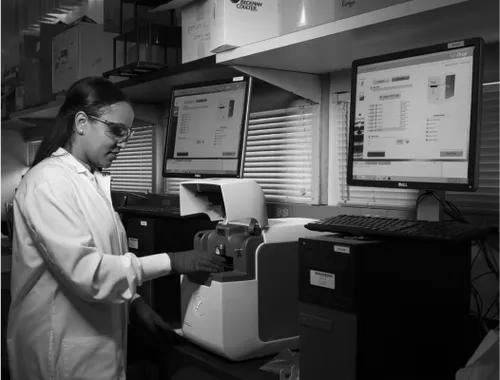
Leverage artificial intelligence and IoT to improve diagnostics, patient outcomes, and clinical decision-making. Integrate connected devices for real-time patient monitoring and insights. Develop customized healthcare solutions to streamline workflows and enhance patient management. Enable mobile apps for virtual care and telehealth, expanding access across regions. Build secure, scalable EHR platforms to ensure seamless data access and patient privacy.
Empowering healthcare providers across Canada with AI-driven solutions to enhance care delivery, improve efficiency, and enable smarter clinical decisions.
Transform operations and patient care across multi-specialty hospitals, super-specialty hospitals, corporate hospital chains, government hospitals, and teaching hospitals with intelligent, data-driven solutions tailored for complex healthcare environments
Some of the key use cases include:


Forecast patient demand to optimize beds, reduce wait times, and improve care delivery.
Monitor medical equipment location and usage to improve availability and reduce loss.
Forecast patient demand to optimize beds, reduce wait times, and improve care delivery.
Forecast patient demand to optimize beds, reduce wait times, and improve care delivery.
Enhance care delivery across cardiac hospitals, cancer hospitals, orthopedic hospitals, neurology hospitals, and maternity hospitals with advanced AI and IoT solutions tailored for specialized treatment environments.
Some of the key use cases include:
Anticipate disease advancement for early intervention and better outcomes.
Track patient vitals in real time for immediate clinical response.
Tailor treatments based on patient data to improve effectiveness.
Connect devices for seamless data exchange and improved care coordination.
Enhance care delivery across general physician clinics, multi-specialty clinics, and specialty clinics (dermatology, cardiology, ENT, orthopedics) with AI and IoT-driven solutions designed for accessibility, efficiency, and improved patient outcomes.
Some of the key use cases include:
Improve scheduling efficiency and reduce patient wait times.
Ensure uninterrupted operations by tracking power systems in real time.
Automate patient interactions for better accessibility and support.
Enable faster, contactless patient onboarding through IoT-enabled solutions.
Enhance care delivery across cardiac hospitals, cancer hospitals, orthopedic hospitals, neurology hospitals, and maternity hospitals with advanced AI and IoT solutions tailored for specialized treatment environments.
Some of the key use cases include:
AI forecasts patient volumes, staff needs and equipment availability to prevent bottlenecks across multiple clinic locations.
Predicts demand surges (flu season, long weekends) and recommends proactive staffing shifts; preventing burnout and overtime across the chain.
Identifies underused equipment across locations (ECG machines, ultrasound, infusion chairs) and triggers redistribution or shared scheduling between sites.
Live dashboards show occupancy, wait times, and bottlenecks across all locations; enabling staff to redirect patients or resources in the moment.
Enhance care delivery across dialysis centers, IVF centers, fertility clinics, and cancer treatment centers with AI and IoT-driven solutions designed for precision, efficiency, and improved patient outcomes.
Some of the key use cases include:
Optimize dialysis cycles, chemotherapy schedules, and IVF outcomes through predictive analytics.
Identify tumors, analyze embryo quality, and detect abnormalities with higher accuracy and speed.
Provide appointment scheduling, treatment guidance, and 24/7 assistance for better accessibility.
Detect anomalies, prevent fraud, and maintain compliance with healthcare regulations.
Enhance recovery outcomes across physiotherapy clinics, sports injury rehabilitation centers, and occupational therapy centers with AI and IoT-driven solutions designed for personalized care, progress tracking, and improved patient engagement.
Some of the key use cases include:
Customize therapy programs for faster and more effective recovery.
Monitor patient movements to support accurate therapy adjustments.
Track patient improvement to adjust treatment plans dynamically.
Optimize resource utilization and scheduling efficiency.
Enhance care delivery across psychiatry clinics, counseling centers, addiction recovery centers, and behavioral health facilities with AI and IoT-driven solutions designed for accessibility, early intervention, and personalized mental health support.
Some of the key use cases include:
Track sleep patterns, activity levels, stress signals, and mood changes for early alerts and better care continuity.
Direct patients to the right level of care faster, addressing Canada’s long wait times and access challenges.
Detect emotional distress, mood changes, and behavioral shifts for early intervention.
Track heart rate variability, sleep patterns, and stress indicators for real-time mental health insights.
Enhance care delivery across preventive health check centers, lifestyle disease clinics, and chronic disease clinics including diabetes, cardiac, and asthma centers with AI and IoT-driven solutions focused on early detection, continuous monitoring, and personalized care.
Some of the key use cases include:
Provide personalized recommendations for diet, exercise, and habits. Help prevent disease progression and improve long-term health.
Predict heart and asthma-related events using AI models. Enable timely intervention and emergency response.
Use AI to schedule and manage follow-ups. Ensure continuity of care without manual intervention.
Visualize patient health data using AI-powered dashboards. Support better decision-making for clinicians.
Enhance care delivery across pediatric clinics, neonatal care centers, and maternity centers with AI and IoT-driven solutions focused on continuous monitoring, early risk detection, and improved maternal and child health outcomes.
Some of the key use cases include:
Use AI to analyze real-time labor data and recommend optimal delivery timing and interventions. Reduce complications by guiding clinicians on C-section decisions and labor progression.
Automate NICU conditions using IoT sensors. Maintain optimal temperature, humidity, noise, and light levels for premature infants.
Use AI to track infant and child movements via video analysis. Identify early signs of developmental disorders such as autism or motor delays.
Use AI to analyze behavioral and emotional patterns of mothers. Detect early signs of postpartum depression and trigger timely support interventions.
Driving innovation across Canada’s healthcare ecosystem with AI and IoT-powered solutions that connect stakeholders, optimize operations, enable real-time insights, and deliver seamless, data-driven care across the healthcare value chain.
Enhance care delivery across preventive health check centers, lifestyle disease clinics, and chronic disease clinics including diabetes, cardiac, and asthma centers with AI and IoT-driven solutions focused on early detection, continuous monitoring, and personalized care.
Some of the key use cases include:
Accelerate approvals with AI-driven compliance and trial analysis.
Secure connected devices with controlled access and identity management.
Identify potential device failures and their causes proactively.
Ensure safe delivery of sensitive devices through real-time tracking.
Drive next-generation transformation across drug manufacturers, biopharma companies, and vaccine manufacturers with AI and IoT solutions addressing complex challenges in discovery, manufacturing, compliance, and supply chain resilience.Some of the key use cases include:
Some of the key use cases include:
Reduce R&D costs by predicting unsuccessful drug candidates early.
Ensure drug authenticity and prevent counterfeit distribution.
Ensure trial integrity by identifying deviations in real time.
Maintain compliance by tracking personnel and environmental conditions.
Transform operations for contract research organizations (CROs) and clinical trial management companies with AI and IoT solutions that accelerate trials, ensure compliance, and enable data-driven insights for faster, safer drug development.
Some of the key use cases include:
Accelerate trial enrollment by matching eligible participants efficiently.
Monitor medication adherence in real time during trials.
Forecast trial success to improve planning and decision-making.
Ensure accurate data with well-maintained and calibrated equipment.
Transform wellness centers and corporate wellness providers with AI and IoT-driven solutions focused on preventive health, employee well-being, and personalized lifestyle optimization.
Some of the key use cases include:
Track sleep patterns using wearable devices. Use AI to provide insights on recovery, fatigue, and performance improvement.
Use AI to recommend personalized diet plans based on lifestyle and health data. Integrate with apps and devices for continuous tracking and adjustments.
Identify potential lifestyle-related health risks using AI. Encourage early lifestyle changes to prevent chronic conditions.
Use AI to support employees dealing with smoking, alcohol, or digital addiction. Provide personalized recovery journeys and relapse prevention strategies.
Enhance performance and recovery across sports performance labs and athlete rehabilitation clinics with AI and IoT-driven solutions focused on performance optimization, injury prevention, and data-driven rehabilitation.
Some of the key use cases include:
Leverage AI to analyze training load, fatigue, and movement patterns. Predict potential injuries and recommend preventive interventions.
Use IoT sensors to track hydration levels and nutritional needs. Provide recommendations to maintain peak performance.
Use AI vision systems to guide athletes during rehab exercises. Ensure correct posture and movement without constant supervision.
Monitor muscle oxygen levels and fatigue using IoT sensors. Optimize recovery strategies and prevent overexertion.
Empowering aspiring healthcare startup founders to transform innovative ideas into scalable, tech-driven healthcare solutions with AI and IoT. Enable faster go-to-market, efficient operations, and patient-centric care models through intelligent platforms designed for modern healthcare delivery.
Empower doctors starting telemedicine platforms and launching tech-enabled specialty clinics with AI and IoT-driven solutions designed to improve patient acquisition, streamline operations, and deliver intelligent, scalable healthcare services.
Some of the key use cases include:
Deploy AI load balancing to distribute appointments, automate triage, and manage peak-hour demand efficiently.
Automate workflows using AI to synchronize appointments, lab requests, billing, and follow-ups in real time.
Use AI to aggregate past records, symptoms, and real-time IoT vitals to create a comprehensive patient profile before consultation.
Use AI to predict demand patterns and optimize slot allocation, promotions, and doctor availability.
Empower nurses launching home care platforms and therapists building digital therapy apps with AI and IoT-driven solutions designed to solve real care delivery, patient engagement, and scalability challenges while enabling high-quality, personalized healthcare services.
Some of the key use cases include:
Use AI to analyze patient data, medical history, imaging, and lab results to assist healthcare professionals in accurate and faster diagnosis.
AI models analyze real-time patient data to predict health deterioration.
Use IoT-enabled systems and AI to ensure medication adherence and safety.
Improve diagnostic accuracy using AI-powered imaging tools.
Enable next-generation healthcare through AI-powered wearables and IoT-connected biomedical devices focused on continuous monitoring, early diagnosis, and personalized care.
Some of the key use cases include:
Use motion sensors and AI to track patient movements during rehabilitation. Provide real-time feedback and progress tracking for improved recovery outcomes.
Use wearable devices to track sleep cycles, oxygen levels, and disturbances. AI analyzes patterns and provides personalized recommendations for improved recovery.
Develop EEG-based wearable devices to monitor brain activity. AI helps detect stress, fatigue, or neurological anomalies for early intervention.
Design lightweight IoT-enabled patches to continuously monitor vitals like temperature and heart rate. Ideal for hospital and home-based care.
Transform healthcare delivery with AI-powered platforms and IoT-integrated systems focused on intelligent diagnostics, automation, and scalable digital health solutions.
Some of the key use cases include:
Integrate IoT devices with AI platforms to monitor patient vitals in real time. Provide alerts, insights, and continuous care outside clinical settings.
Build conversational AI tools for patient engagement and clinical support. Automate queries, follow-ups, and basic consultations.
Build AI-driven tools that assess patient symptoms and prioritize care pathways. Enable faster decision-making and reduce burden on healthcare professionals.
Develop AI models to analyze X-rays, MRIs, and CT scans. Improve diagnostic accuracy and reduce turnaround time for critical cases.
Accelerate drug discovery and pharmaceutical innovation with AI-powered platforms and IoT-enabled research systems focused on data-driven insights, automation, and faster time-to-market.
Some of the key use cases include:
Use AI to analyze biological data and identify potential drug candidates. Reduce time and cost of early-stage drug discovery.
Leverage AI to design efficient clinical trials, identify suitable participants, and monitor outcomes in real time using IoT devices.
Use IoT-enabled lab equipment and AI to automate experiments, data capture, and analysis, improving research efficiency.
Apply AI models to predict clinical trial outcomes and drug approval probabilities. Minimize financial and operational risks.
Enhance fitness experiences with AI-powered coaching platforms and IoT-enabled performance tracking focused on personalization, engagement, and measurable results.
Some of the key use cases include:
Provide customized workout plans based on user goals, fitness level, and progress.
Use computer vision to analyze user movements and provide feedback on posture and technique.
Integrate IoT devices to monitor heart rate, calories, and activity levels during workouts.
Use AI to adjust workout intensity and routines based on user performance and recovery data.
Build scalable healthcare access platforms using AI and IoT to connect patients with providers efficiently while improving service quality and accessibility.
Some of the key use cases include:
Use AI to match patients with the right doctors based on symptoms, location, and preferences.
Optimize booking slots using AI to reduce wait times and improve doctor utilization.
Enable remote monitoring of patients receiving home care using connected devices.
Provide instant matching for urgent care services like ambulances or home visits.
Streamline healthcare operations with AI-powered SaaS platforms and IoT-enabled systems focused on automation, efficiency, and data-driven decision-making.
Some of the key use cases include:
Automate appointments, billing, patient records, and workflows in clinics.
Use AI to optimize patient flow, staff allocation, and resource utilization in hospitals.
Track medical equipment and supplies in real time using IoT sensors.
Forecast patient inflow, bed occupancy, and staffing needs using AI models.