

Canadian manufacturing plants are under growing pressure to deliver consistent product quality, reduce production waste, and stay competitive in a demanding market. At the same time, traditional quality control methods are struggling to keep up with faster production cycles and tighter quality standards.
Computer vision is one technology that is helping plants address these challenges in a practical, scalable way. By combining cameras, AI models, and image processing software, manufacturers can inspect products faster, catch defects earlier, and gain better visibility into their production quality.
Quality Control Challenges in Canadian Manufacturing Plants
Manual quality inspection has worked for decades, but it comes with real limitations that affect production efficiency and product consistency. Common challenges include:
- Manual inspection errors — Human inspectors can miss defects, especially during long shifts or high-volume production runs
- Slow inspection processes — Manual checks create bottlenecks that slow down throughput
- Inconsistent defect detection — Results vary between inspectors, shifts, and locations
- High cost of rework and product rejection — Defects caught late in production are expensive to fix
- Difficulty monitoring multiple production lines — Scaling manual inspection across several lines requires significant staffing
- Limited real-time visibility — Without live data, quality issues are often discovered after they have already affected a batch
These challenges are not unique to one sector. Whether it is automotive, food processing, or electronics, many Canadian manufacturers face some version of these problems.
How Computer Vision Supports Quality Control
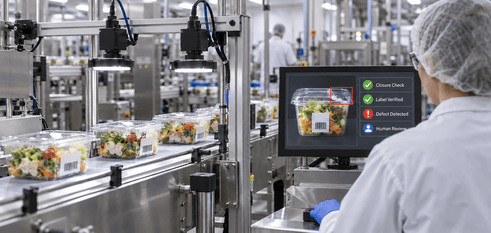
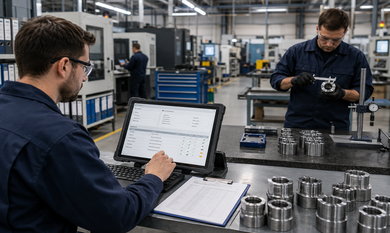
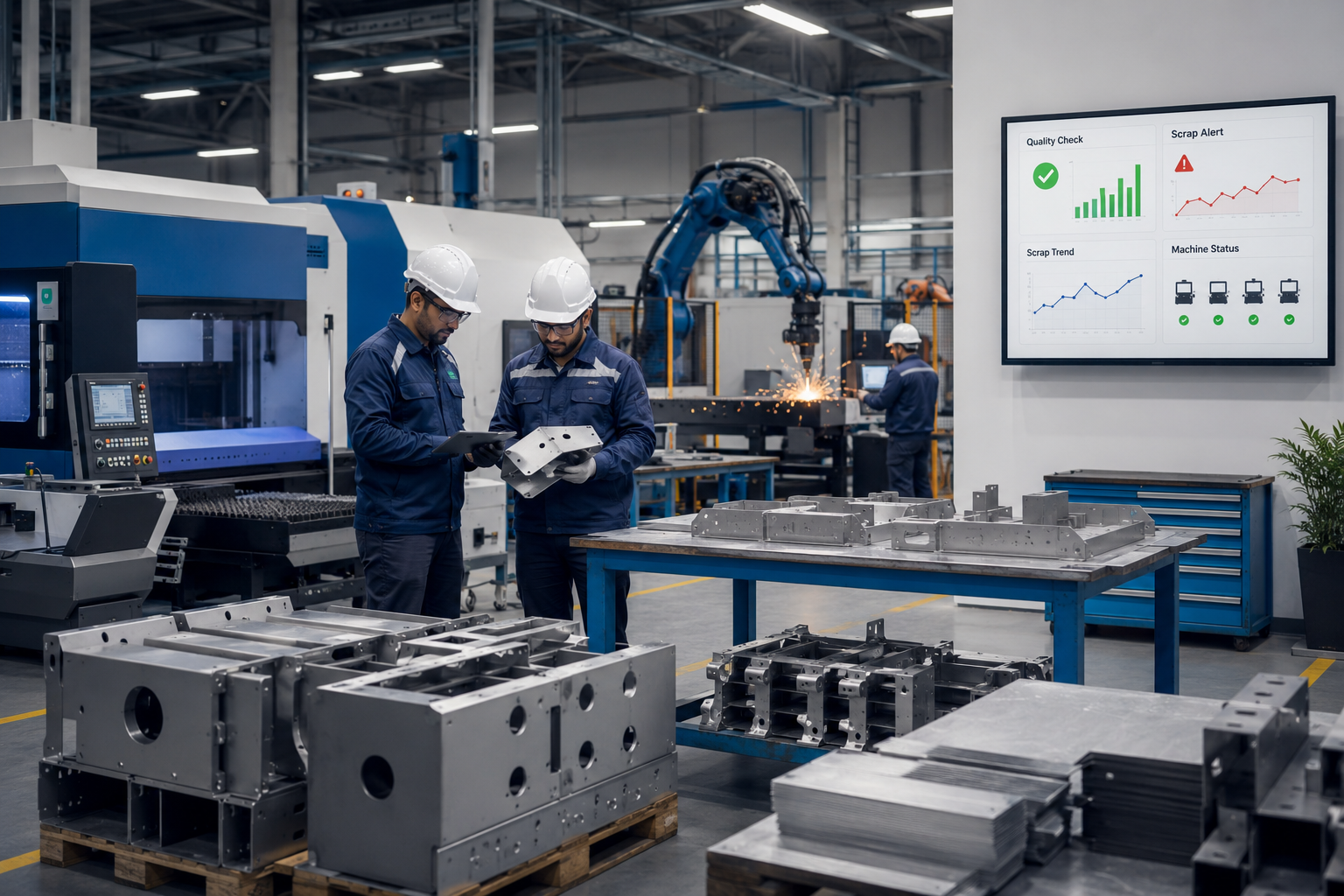
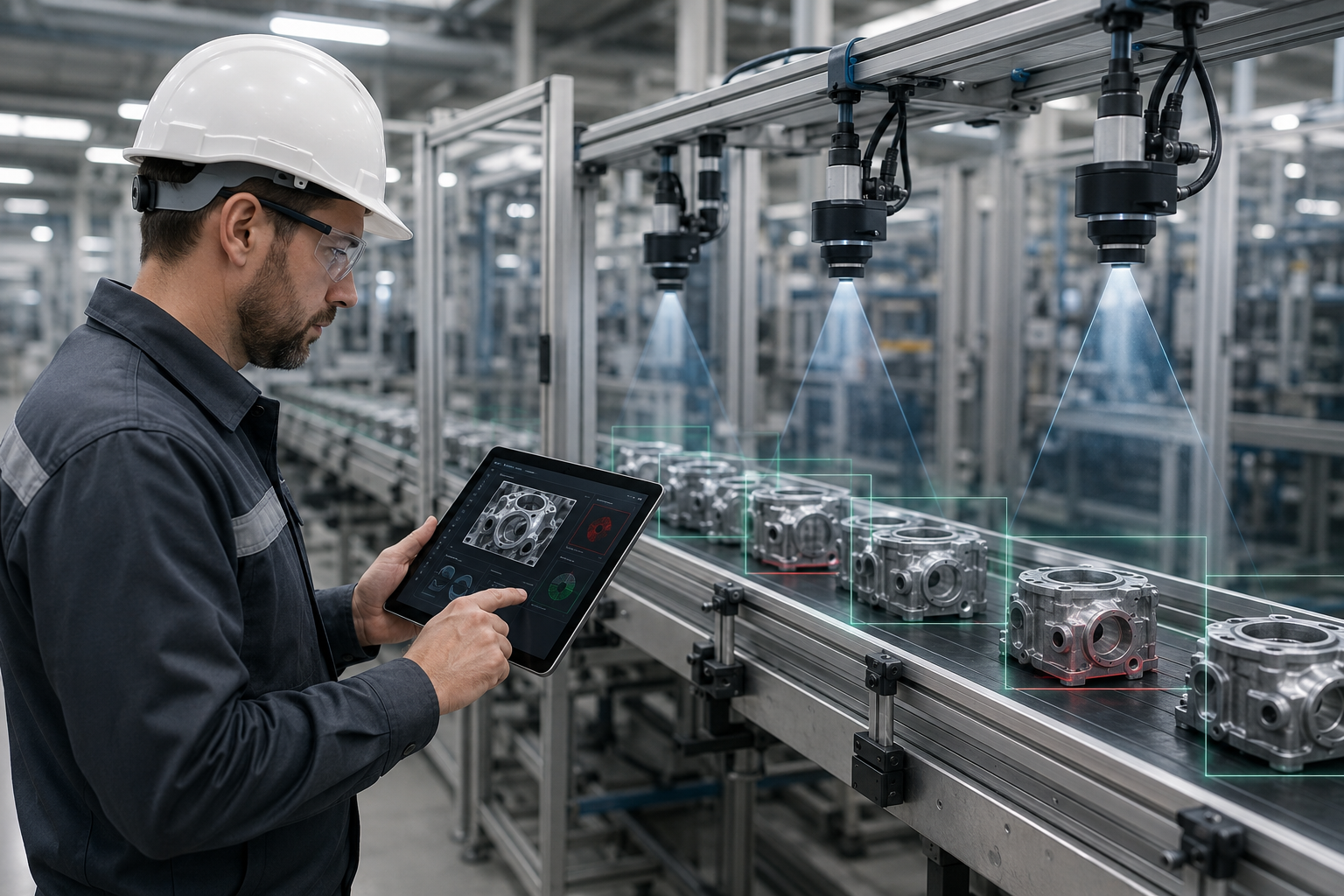
Computer vision for quality control works by using cameras placed along production lines to capture images of products as they move through the process. AI models can analyze those images in real time to identify defects, verify dimensions, check labels, and flag items that may fall outside acceptable standards.
The system does not replace the entire quality process, but it fills the gaps where human inspection is slow or inconsistent.
Key components of computer vision in manufacturing include:
- High-resolution cameras or existing line cameras
- AI and machine learning models trained on product-specific defect data
- Image processing software that can analyze frames quickly for real-time inspection
- AI-powered quality control software that logs results and triggers alerts
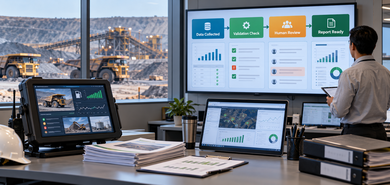
- Dashboards and reporting tools for quality teams and plant managers
Unlike manual inspection, computer vision quality inspection systems can run continuously across every product without fatigue, delivering a consistent standard at production speed.
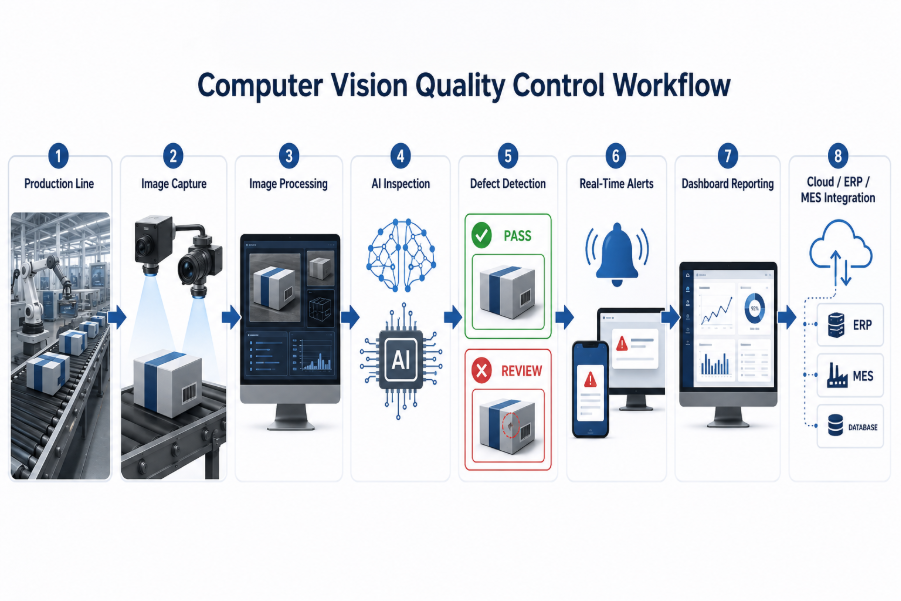
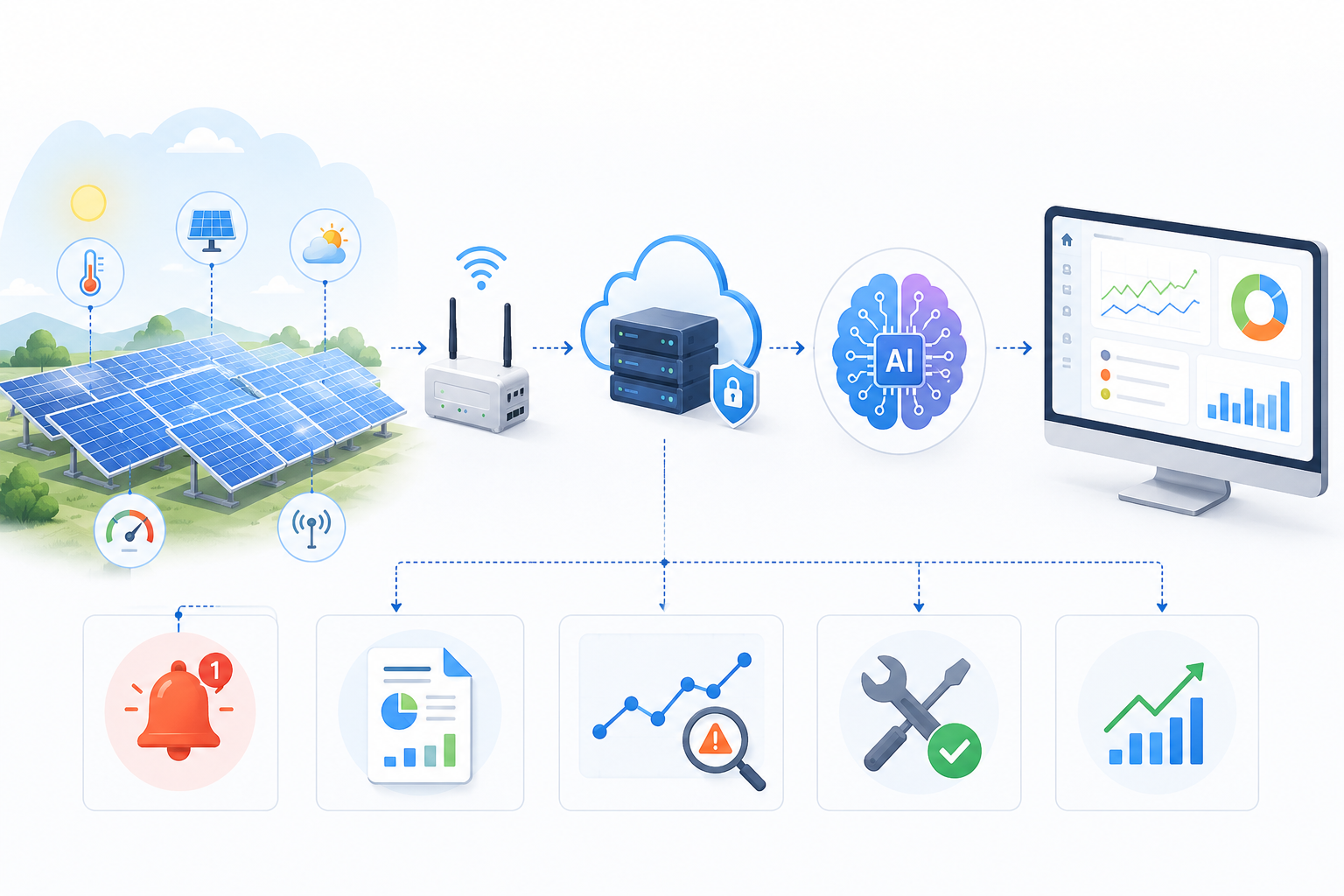
Figure: Computer Vision Quality Control Workflow in Manufacturing
Key Use Cases of Computer Vision in Manufacturing
Computer vision can be applied across several stages of the manufacturing process. Some of the most common use cases include:
- Surface defect detection — Identifying scratches, cracks, dents, discolouration, or surface irregularities on products or components. Automated defect detection in manufacturing reduces the number of defective units that reach downstream stages or customers.
- Assembly line inspection — Verifying that components are correctly assembled, properly placed, and complete before moving to the next stage
- Packaging and label verification — Confirming that labels, barcodes, and packaging meet specifications and regulatory requirements
- Product dimension measurement — Using vision systems to measure size, shape, and tolerances without physical contact
- Product counting and sorting — Accurately counting units or sorting products by type, size, or quality grade
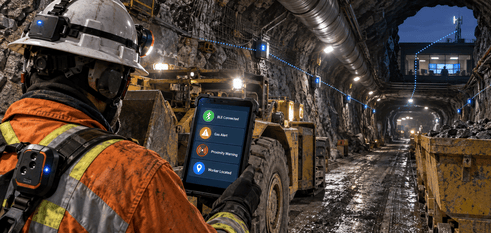
- Safety and compliance monitoring — Detecting whether safety protocols are being followed on the plant floor
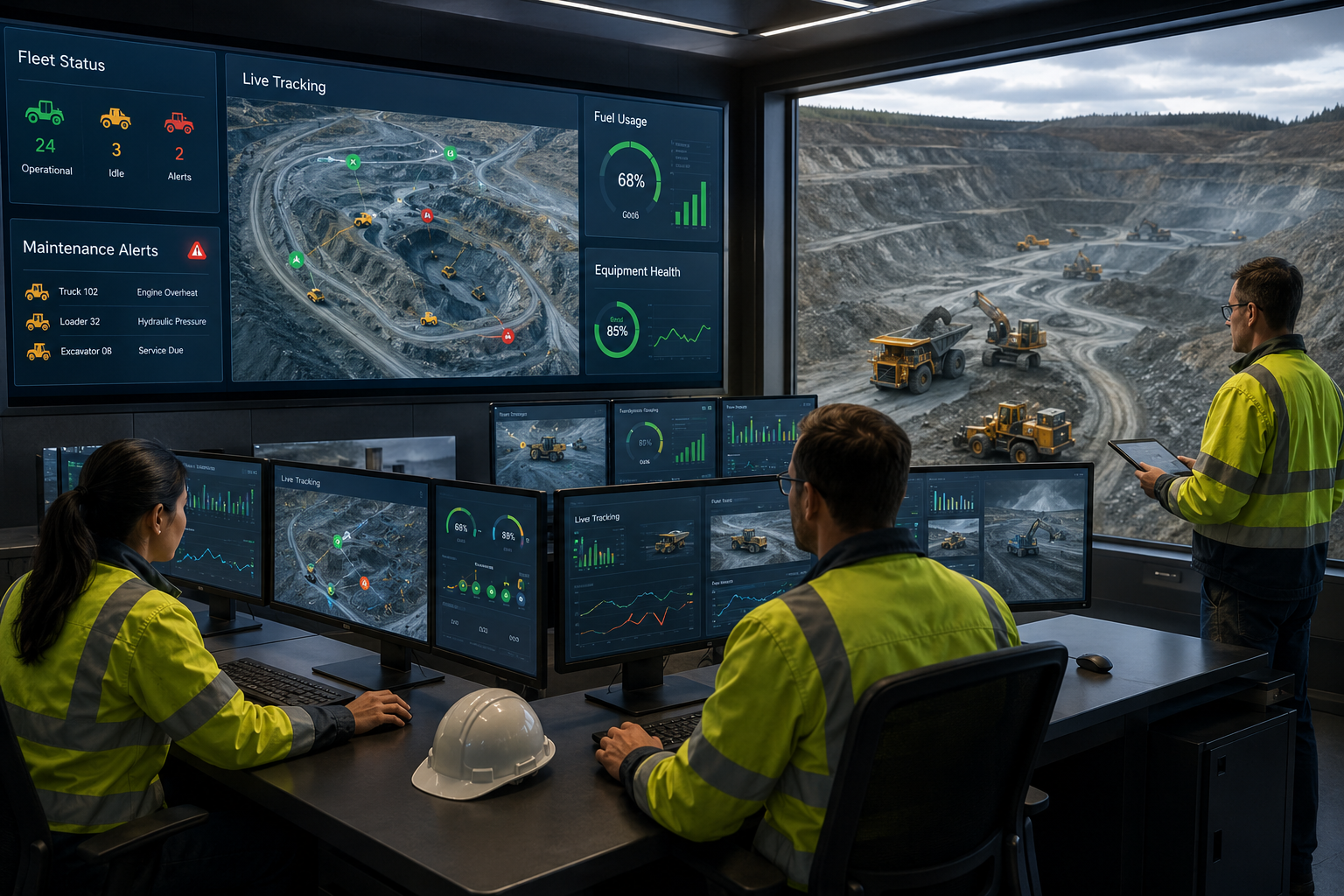
- Real-time production monitoring — Providing live quality data so teams can respond to issues as they happen, not hours later
Business Benefits for Canadian Manufacturers
For Canadian manufacturers evaluating new technology investments, the practical benefits of computer vision are worth understanding clearly.
- Faster inspection cycles — Vision systems inspect products in milliseconds, removing bottlenecks caused by manual checks
- More consistent quality checks — The same standards are applied to every unit, every shift, on every line
- Reduced manual workload — Quality teams can shift from repetitive visual checks to higher-value tasks like process improvement and exception handling
- Lower rework and rejection rates — Catching defects earlier in the production process reduces the cost of waste and rework
- Better production visibility — Real-time data gives managers a clearer picture of where quality issues are occurring and why
- Improved quality reporting — Automated logs and dashboards make it easier to track trends, meet compliance requirements, and report to clients
- Scalable inspection across multiple lines or plants — Computer vision solutions in Canada can be deployed consistently across facilities, making it easier to maintain quality standards at scale
For operations leaders and quality managers, manufacturing quality control automation through AI solutions for Canadian manufacturing represents a practical path to improving output quality without always requiring the same level of manual inspection effort.
Technology Stack and Implementation Approach
Implementing computer vision does not have to be complicated, especially when working with a technology partner who understands manufacturing environments. A typical implementation involves:
- Cameras — Industrial-grade cameras or integration with existing camera systems on the production line
- AI and machine learning models — Trained on product images and defect examples specific to your production environment
- Image processing tools — Software that processes camera feeds and runs defect analysis in real time
- Web dashboards — Centralized quality monitoring dashboards accessible to plant managers and QA teams
- Mobile applications — Alert systems that notify team members of quality issues directly on their phones or tablets
- Cloud platforms — Cloud-based storage, reporting, and analytics that support long-term data analysis and multi-site visibility
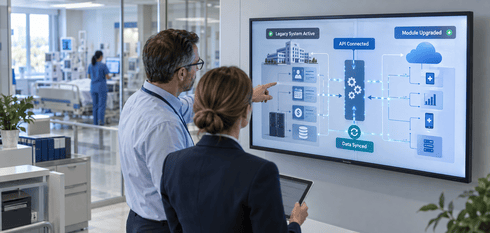
- Integration with ERP, MES, or production systems — Connecting quality data with existing enterprise systems for a unified production view
Custom computer vision development allows businesses to build systems that fit their specific products, line configurations, and quality standards, rather than trying to adapt a generic solution to a specialized manufacturing environment.
Why Choose Theta Technolabs
Theta Technolabs helps businesses design and develop AI-powered digital solutions for manufacturing and enterprise needs. Their team works with clients to understand operational goals and build technology that supports them practically.
Capabilities include:
- AI and computer vision solution development — Building models and systems tailored to specific manufacturing processes
- Custom software development — Developing quality inspection tools designed around your production environment
- Web application development — Creating dashboards and reporting interfaces that give quality and operations teams real-time access to production data
- Mobile application development — Building mobile tools that keep floor teams informed and responsive
- Cloud consulting and cloud-based platforms — Supporting secure, scalable deployment of quality systems across one or multiple facilities
- Scalable dashboards and automation tools — Helping manufacturers grow their digital quality infrastructure as production needs evolve
FAQs
1. What is computer vision for quality control?
Computer vision for quality control uses cameras, AI models, and image processing to inspect products, detect defects, verify dimensions, and monitor manufacturing quality in real time.
2. How can Canadian manufacturing plants use computer vision?
Canadian manufacturing plants can use computer vision for surface defect detection, assembly inspection, packaging checks, label verification, product counting, and real-time production monitoring.
3. Is computer vision better than manual quality inspection?
Computer vision can make inspection faster and more consistent. It reduces human error, but many plants still use it alongside human quality teams for final review and process improvement.
4. What industries can benefit from computer vision quality control?
Automotive, electronics, food processing, pharmaceuticals, packaging, metal fabrication, and consumer goods manufacturing can benefit from computer vision-based inspection.
5. How does Theta Technolabs help with computer vision solutions?
Theta Technolabs helps businesses develop computer vision systems, AI-powered dashboards, web applications, mobile applications, and cloud-based platforms for manufacturing quality control.
Conclusion
Quality control is one of the most important and resource-intensive parts of any manufacturing operation. For Canadian manufacturers looking to improve consistency, reduce inspection errors, and support smarter automation, computer vision offers a practical and scalable path forward.
Working with the right computer vision development company means you get a solution that fits your production environment, integrates with your existing systems, and grows alongside your business — without overcomplicating the process.
Ready to Improve Your Manufacturing Quality Control?
Theta Technolabs helps Canadian businesses build scalable AI, Web, Mobile, and Cloud solutions for manufacturing automation and quality control.
If you are exploring how computer vision or AI-powered quality inspection could work for your plant or facility, connect with our team to discuss your project.
Contact us at 📧 sales@thetatechnolabs.com