

Introduction
Running a mining operation in Canada means managing heavy vehicles across remote terrain spanning hundreds of hectares. Sites in British Columbia, Alberta, Ontario, and the northern territories operate around the clock. Equipment costs are significant, fuel consumption is high, idle time affects budgets, and unexpected breakdowns can delay production activities. Keeping workers safe in remote, high-risk zones adds another layer of pressure.
IoT-powered fleet management gives teams a practical way to address these challenges by connecting vehicles, sensors, and data into a single, accessible platform.
Why Mining Fleets Need Real-Time Intelligence
Traditional fleet tracking methods rely on end-of-shift reports, manual vehicle inspections, and radio-based communication. For a small fleet, this may work. For a large mining operation with dozens of haul trucks, loaders, drills, and support vehicles spread across a wide site, it creates gaps that are hard to manage.
Vehicles go down without warning. Fuel gets consumed unevenly. Idle time accumulates across shifts. Dispatch decisions get made on data that is hours old. And when something goes wrong in a remote zone, the time it takes to identify and respond is longer than it needs to be.
Mining companies need timely and reliable operational data. That is the starting point for better decisions.
How IoT-Powered Fleet Management Works
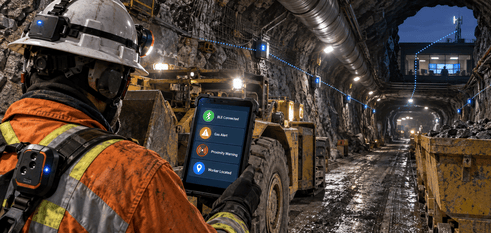
A mining fleet management system works by linking GPS hardware, sensors, telematics devices, and cloud software into a connected platform. Here is what that typically includes:
- GPS devices for live vehicle location tracking across large and remote mine sites
- Engine sensors monitoring temperature, vibration, oil pressure, and performance in real time
- Fuel sensors tracking consumption, detecting excessive idling, and flagging unusual usage
- Tire pressure monitors alerting teams before a flat causes delays or safety issues
- Telematics systems recording driver behavior, speed, braking habits, and vehicle load data
- Cloud dashboards giving fleet managers and dispatch teams a unified view of all assets
- Mobile alerts for fault detection, geofence breaches, or route deviations
- Analytics tools converting fleet data into maintenance plans and utilization reports

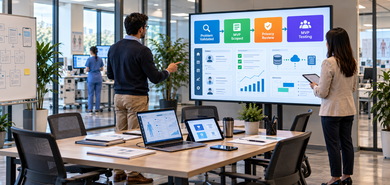
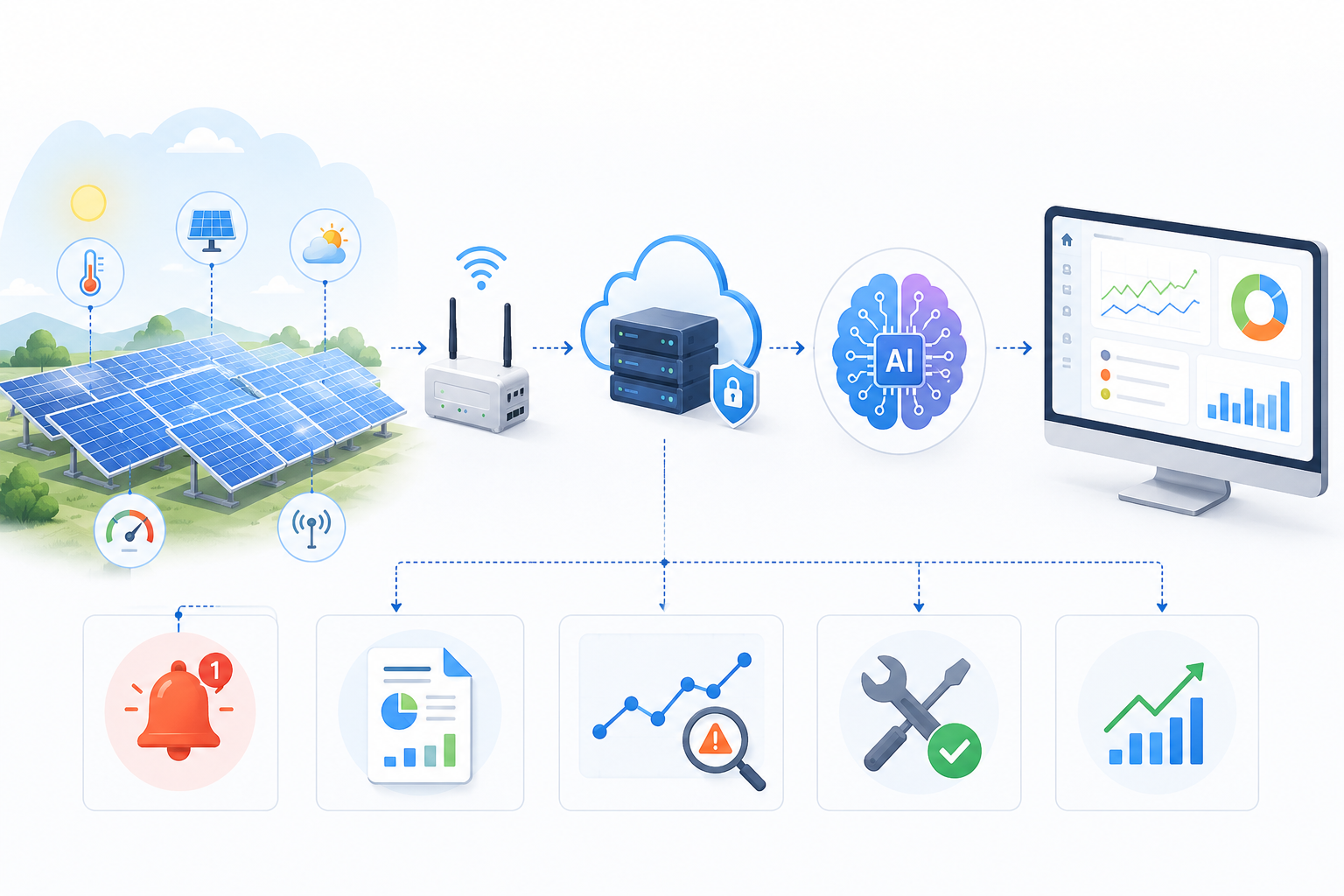
Figure 1: IoT fleet management workflow showing how mining vehicles, sensors, edge connectivity, cloud platforms, and analytics work together to improve dispatch, maintenance, fuel control, safety, and ESG reporting.
When these components work together, fleet managers get a clearer, real-time view of operations rather than summaries built from manual inputs.
Real-Time Asset Tracking in Remote Sites
One of the most practical gains for Canadian mining companies is the ability to track every asset across the full site, regardless of its location.
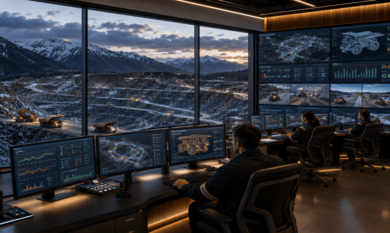
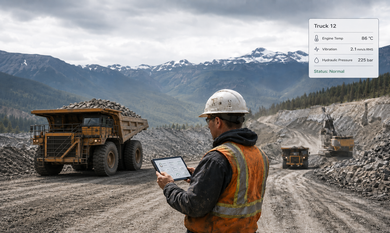
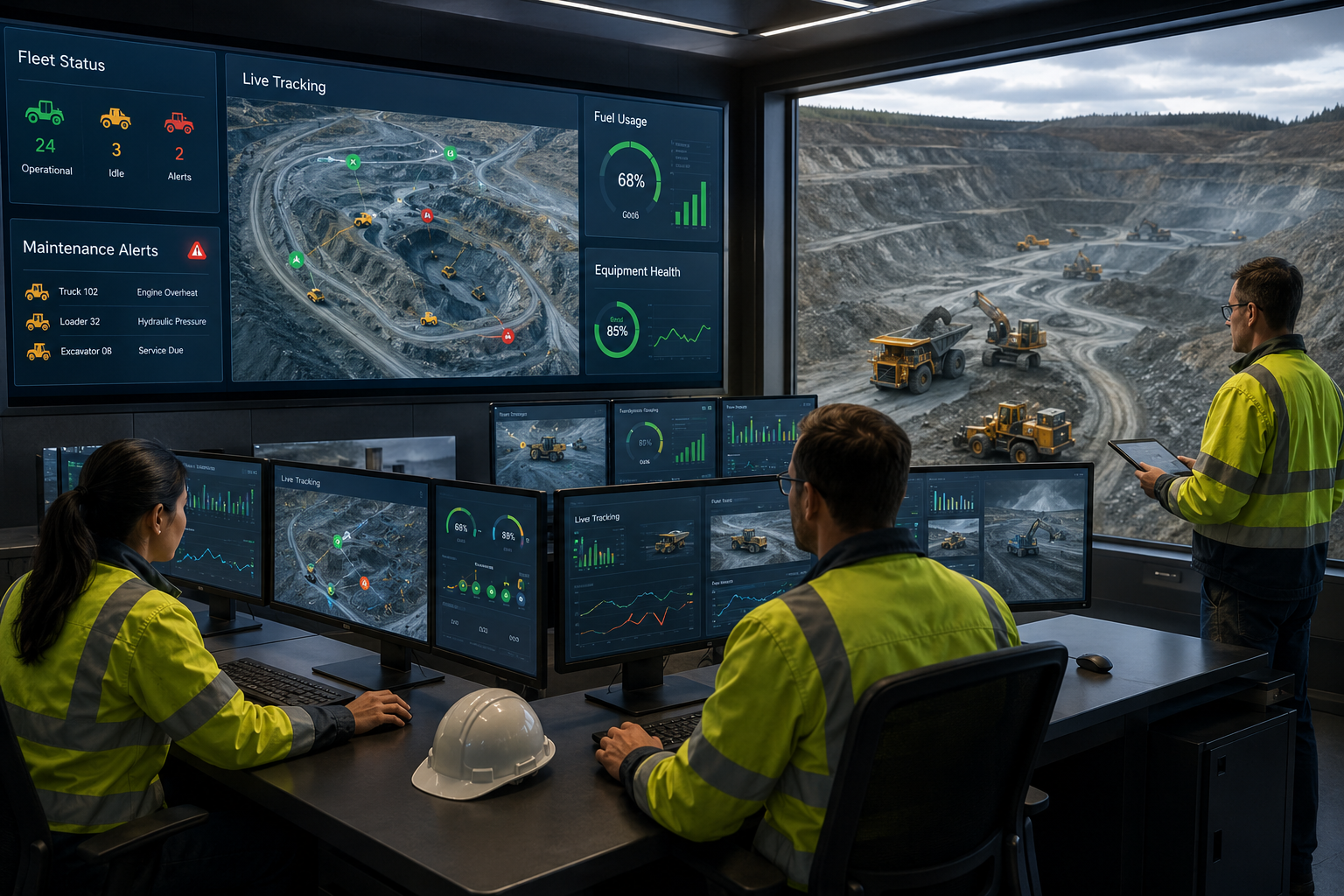
Remote asset tracking addresses a genuine operational challenge. On a large open-pit or surface mine, a vehicle idling in the wrong zone can create dispatch delays, reduce productivity, and slow emergency response. Knowing where each piece of equipment is and what it is doing gives dispatchers and supervisors the ability to act on current conditions.
For example, if a haul truck remains idle outside a loading zone longer than expected, the dashboard can alert the dispatch team to check whether the delay is caused by route congestion, loading issues, or equipment trouble.
Real-time fleet monitoring in mining operations also supports better coordination during shift handovers and emergency situations. When a vehicle breaks down or an incident occurs, response teams can pinpoint the location immediately rather than spending time on radio checks.
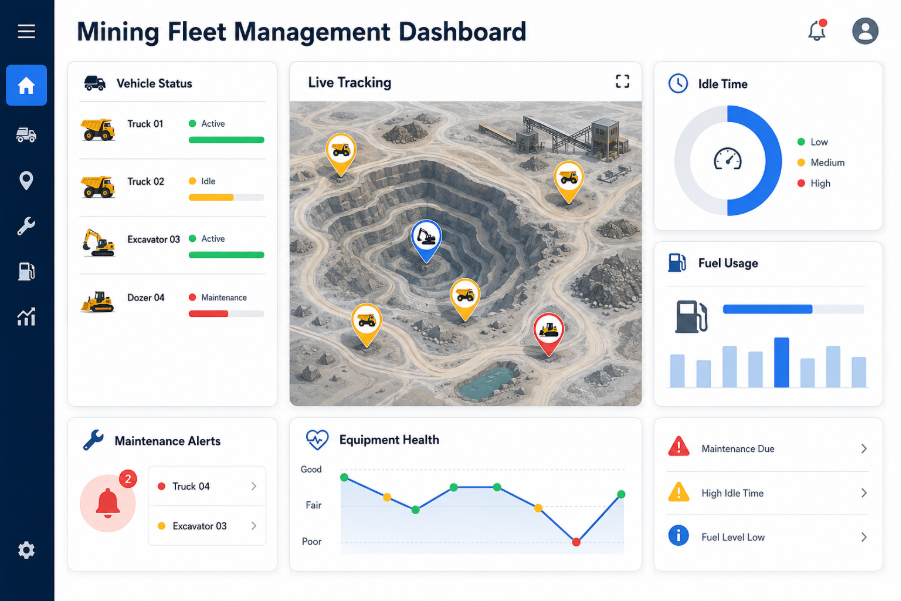
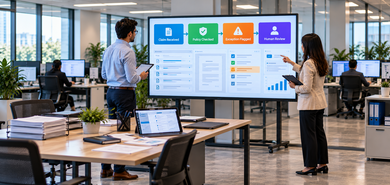
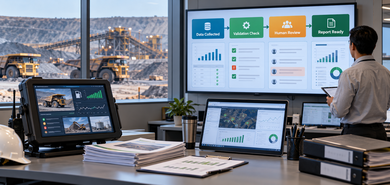
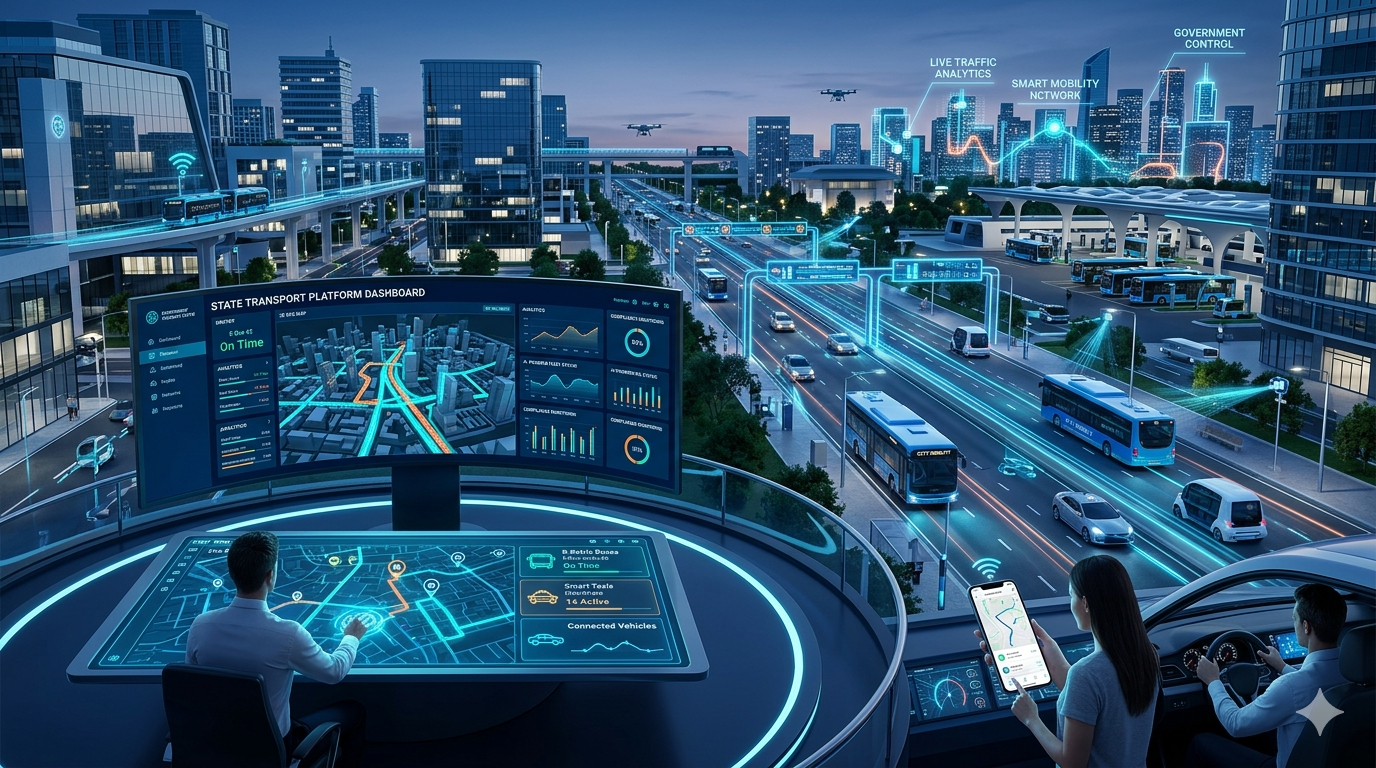
Figure 2: Mining fleet management dashboard for real-time asset tracking, vehicle status monitoring, idle time analysis, fuel usage visibility, maintenance alerts, and equipment health insights.
Predictive Maintenance and Fuel Control
Unplanned equipment failures are costly anywhere. In mining, they are particularly disruptive. A haul truck that goes down mid-shift does not just generate a repair expense. It halts haulage capacity, affects other equipment in the workflow, and can create safety risks in active zones.
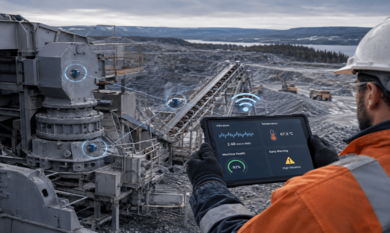
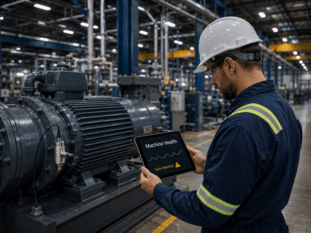
Predictive maintenance for mining vehicles works by collecting continuous data from engine sensors, vibration monitors, and operating hour counters. When the system detects abnormal wear, rising temperatures, or unusual consumption, the maintenance team receives an alert in time to schedule service before a failure occurs. This supports a shift from reactive repairs toward planned, condition-based servicing.
The quality of these alerts depends on proper sensor installation, reliable data collection, and maintenance rules configured for the specific equipment type.
IoT fleet tracking for mining equipment also captures detailed fuel data. Idle time, route patterns, and braking habits all affect consumption. With accurate fuel reporting, managers can identify which vehicles or operators are using more fuel than expected and take corrective steps. The actual improvement depends on fleet size, site conditions, and implementation quality.
Safety, ESG, and Compliance Value
Fleet data plays a direct role in mining safety programs. Geofencing tools allow operations teams to define restricted zones on the mine layout and receive instant alerts when a vehicle enters or exits those boundaries. Speed alerts and harsh braking notifications help identify risky driving behavior early, before it escalates into an incident. Emergency location data helps response teams reach the right place on site without delay.
From an ESG standpoint, fleet monitoring data can support reporting on fuel consumption, idle time, and emissions estimates. As regulators and investors place greater emphasis on environmental accountability, having reliable, automated fleet data simplifies the reporting process and reduces reliance on manually compiled records.
Maintenance logs, inspection histories, and equipment records stored within the system also make compliance documentation more straightforward to manage.
Industry discussions around mining digitalization increasingly focus on connected equipment, predictive maintenance, and safer remote operations, which makes fleet data an important part of modern mine planning.
Custom IoT Solutions for Mining Operations
No two mining operations are built the same way. Fleet compositions, connectivity constraints, reporting requirements, and existing software systems vary widely from one site to the next.
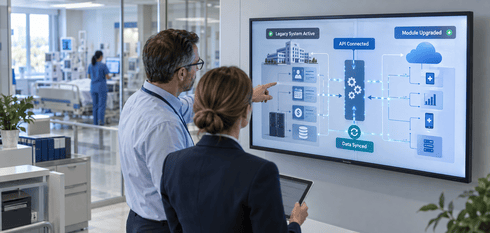
Off-the-shelf software may not always fit every mining environment. The right IoT solutions for mining industry operations are built around the actual asset types, site layout, data priorities, and workflows of each company. Custom platforms can connect with existing ERP systems, maintenance management tools, and dispatch software. Role-based dashboards let different team members see the information most relevant to them. Sensor selection and connectivity options are designed around what the specific site and fleet actually require.
A platform built for an underground mine in northern Ontario will look very different from one designed for an oil sands surface fleet. That specificity is why custom development can be worth considering for complex mining operations.
What a Mining Fleet IoT System Can Include
A practical mining fleet IoT system can include:
- Real-time fleet dashboard with live vehicle locations and operational status
- Remote asset tracking system for large, multi-zone, or remote mine sites
- Predictive maintenance alerts based on engine health and usage data
- Fuel usage and idle time reports organized by vehicle and operator
- Route and dispatch optimization tools to reduce empty travel and wait times
- Operator behavior monitoring for speed, load handling, and braking patterns
- Geofencing for restricted zones, safety boundaries, and access control
- Cloud-based fleet analytics with exportable management reports
- Maintenance history and equipment performance logs for compliance purposes
Conclusion
Mining and resource companies across Canada are under pressure to manage equipment costs, improve safety, reduce idle time, and make better use of fleet data. IoT-powered fleet management helps them move from delayed reports and reactive decisions to real-time visibility, smarter maintenance planning, and better control over daily operations.
For companies exploring IoT development services across Canada, Theta Technolabs can help build connected fleet platforms, equipment monitoring dashboards, predictive maintenance systems, remote asset tracking solutions, telematics integration, and cloud-based fleet analytics. These solutions can support mining teams in managing vehicles, equipment, fuel usage, maintenance alerts, and operational data in a more practical and reliable way.
Ready to Build a Smarter Fleet Operation?
Theta Technolabs works with mining and resource companies to build practical IoT systems. Whether you need a fleet management platform, equipment monitoring dashboards, predictive maintenance system development, remote asset tracking solutions, telematics and sensor integration, or cloud-based fleet analytics, the team can help design something that fits your operation.
Reach out at sales@thetatechnolabs.com to start the conversation.