Every mining operation depends on one uncertain number, the grade of the ore still sitting in the ground. That estimate shapes which zones get mined first, how the mill is fed, and how much waste ends up moving for no return. When the estimate is off, the cost shows up quickly in lost recovery and wasted haulage. AI ore grade prediction offers a way to sharpen that estimate by learning from the data a mine already collects. It does not replace sound geology, but machine learning ore grade prediction can help teams spot patterns that older workflows might miss.
Why Accurate Ore Grade Prediction Decides Mine Profitability
The Cost of the Gap Between Predicted and Mined Grade
Ore grade is the concentration of valuable mineral in a deposit, and it is the single figure that decides whether a block of rock is worth mining. Accurate ore grade estimation lets a team prioritize high value zones, plan consistent mill feed, and keep low grade material out of the process. The problem most operations know well is reconciliation, the gap between what the block model estimation predicted and what the plant actually recovered.
When mined grade comes in below the model, a mine may have hauled and processed material that never paid for itself. When it comes in above the model, high value ore may have been misclassified as waste and lost. Either way the gap eats into margin, and across a full year it can add up to a real hit on a site's economics. Better prediction matters because it ties directly to whether a deposit delivers the return its plan promised.
How AI and Machine Learning Predict Ore Grade
The Data That Powers a Grade Prediction Model
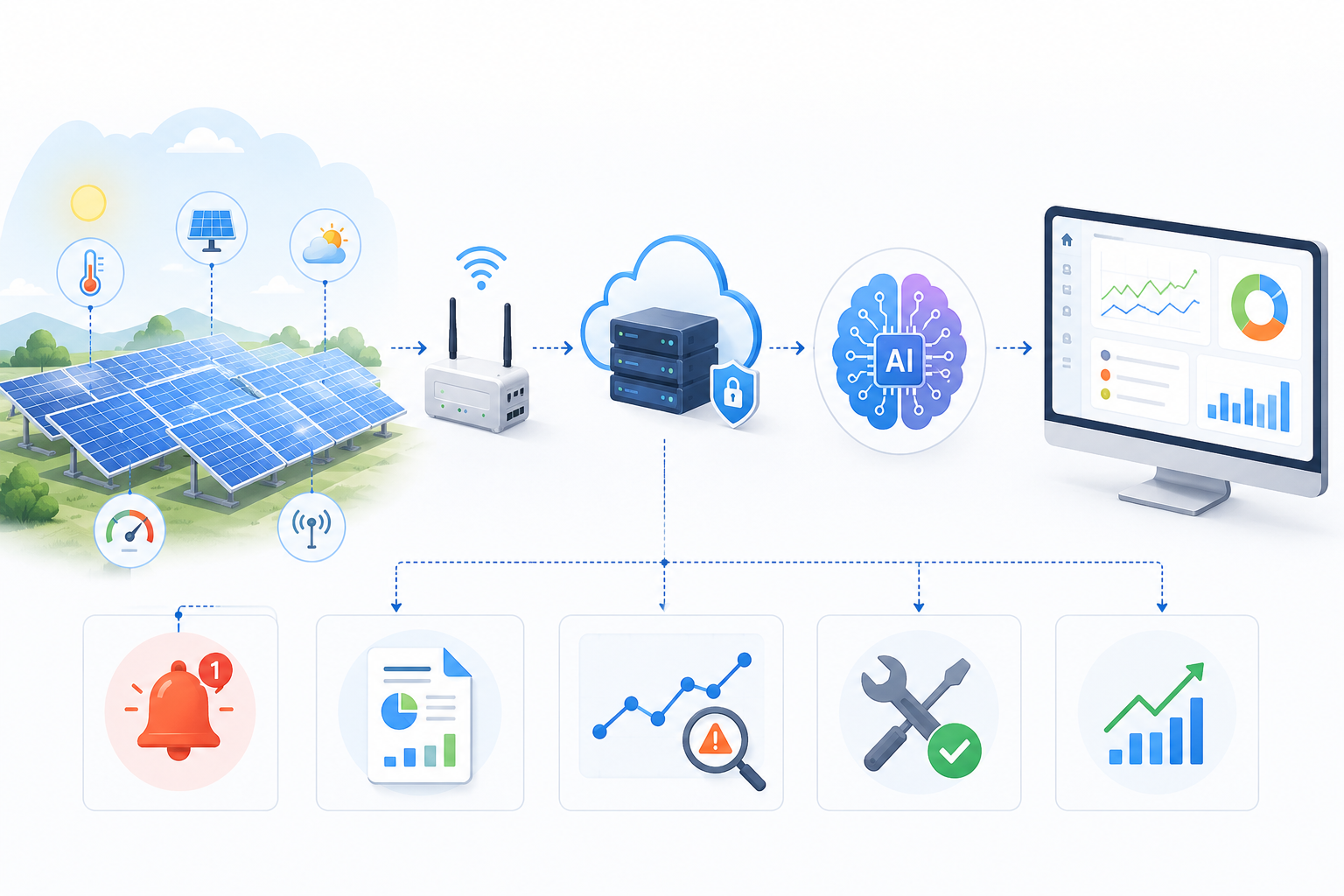
AI ore grade prediction starts with data, not algorithms. Most mines have been gathering that data for years. A model learns from historical records and looks for relationships between what was measured and the grade that was later confirmed.
The inputs typically include:
- Drill hole assays and sample results
- Geological and lithology logs
- Geophysical survey data such as magnetic and resistivity readings
- Sensor and equipment data captured during operations
Feeding these varied sources into a single model is where predictive analytics turns scattered records into a usable grade estimate. The quality and consistency of that data matters far more than the choice of algorithm.
The Algorithms Behind Modern Grade Prediction
Once the data is prepared, several families of models can be applied. Regression based methods can map straightforward relationships between inputs and grade. Tree based ensembles, which combine many decision models, can capture the messier, non-linear patterns common in real deposits. Neural networks can model complex spatial relationships when there is enough data to train them well. No single approach is best for every deposit, and the right choice may depend on the mineral, the data density, and how the result will be used. What each of these methods shares is that they learn from evidence rather than relying on a fixed formula, which is what allows machine learning ore grade prediction to adapt as new data arrives.
How AI Improves Yield and Reduces Ore Dilution
Better prediction only matters if it changes what happens at the face and in the mill. Sharper grade estimates can improve how a team targets high value zones, which supports grade control in mining by keeping the right material moving to the right place. That precision is what helps reduce ore dilution with AI, because clearer boundaries between ore and waste mean less barren rock is scooped up with valuable material.
The same clarity can feed through to the mill. When the feed grade is more consistent and better understood, downstream processing can run closer to its designed operating point, which may support steadier recovery. This is the core of how AI improves mining yield. It does not conjure metal that is not there. It helps a mine capture more of what the deposit actually holds by reducing the guesswork between the block model and the plant. Outcomes will always vary by deposit and by how well the model is built and maintained.
AI Augments Geostatistics It Does Not Replace It
It helps to be clear about what AI changes and what it leaves alone. Traditional geostatistical methods such as kriging have estimated ore grade dependably for decades, and they remain the foundation of sound mineral resource estimation. The stronger role for AI is not to discard those methods but to work alongside them, adding pattern recognition where relationships are too complex or too subtle for a single technique to capture.
This distinction matters in Canada in particular. Public disclosure of resource and reserve estimates must follow recognized standards, and the CIM Estimation of Mineral Resources and Mineral Reserves Best Practice Guidelines set out how that estimation should be carried out and documented. A Qualified Person remains accountable for the estimate, whatever tools support it. AI can inform and strengthen that work, but it does not remove professional judgment or compliance responsibility, both of which rest with the mining company and its Qualified Person rather than with any technology partner.
Making AI Grade Models Trustworthy and Auditable
A grade model is only useful if the people relying on it can trust and defend it. That raises a fair concern with more complex methods. If a model produces an estimate, a geologist needs to understand why, both for internal sign-off and for any later audit of how the resource was derived.
This is why interpretability matters now, not someday. Techniques that show which inputs most influenced a prediction can help a team sense check results against their own geological understanding. Keeping a human in the loop, documenting how the model was built and validated, and comparing its output against established methods all help turn a black box into something a mine can stand behind. A model that cannot be explained is difficult to rely on, however accurate it appears.
What Mining Companies Need Before Adopting AI Grade Prediction
AI grade prediction works best when a few practical conditions are in place. The most important is data. A model needs enough clean, well organized historical assay and drill hole data to learn from, and sparse or inconsistent records will limit what it can do. Where data is thin, as it often is in early stage work, machine learning for mineral exploration can still offer directional insight, but expectations should be set accordingly.
Being honest about the limits matters too. AI can struggle with unusual deposits, poor quality inputs, or conditions unlike anything in its training data, and it should never be presented as a guarantee. Turning raw mine data into a dependable model takes both geological knowledge and sound machine learning development, which is where an experienced partner can help a team move from promising idea to working tool.
Why This Matters for Canadian Mining Companies
Canada is home to many of the world's mining and mineral exploration operators, with many head offices concentrated in and around Vancouver. For these companies, AI grade prediction sits inside a demanding environment of recognized reporting standards and provincial mine safety requirements, so any tool has to support compliance rather than complicate it. Practical mining software solutions for this market need to respect that context. Working with Canadian mining clients, the goal is to apply AI in a way that strengthens estimation and yield while keeping the resulting work transparent and defensible to regulators and investors alike.
Frequently Asked Questions
How much drill hole and assay data is needed to build an AI ore grade prediction model?
There is no fixed threshold, but a model generally needs enough clean, well documented historical assay and drill hole records to learn reliable patterns. Denser, higher quality data tends to produce more dependable estimates.
Can AI replace kriging and traditional geostatistics for resource estimation?
No. AI works best alongside kriging and established geostatistical methods, adding pattern recognition where relationships are complex. Traditional methods remain the foundation, and a Qualified Person stays accountable for the estimate.
Does using AI for ore grade estimation affect NI 43-101 reporting and compliance?
AI can support the estimation process, but disclosure must still follow recognized standards and responsibility for compliance rests with the company and its Qualified Person. The tool assists the work, it does not certify it.
How does AI help reduce ore dilution and improve mill yield?
By sharpening the boundary between ore and waste, AI can help a team send less barren rock to the mill and keep feed grade more consistent, which may support steadier recovery and better use of the deposit.
Can machine learning predict ore grade in early stage exploration with limited data?
It can offer directional insight even with sparse data, but accuracy will be limited. Early stage results are better used to guide further work than to stand as firm estimates.
Conclusion
AI ore grade prediction is most valuable when it is treated as a way to strengthen proven geology rather than replace it. Used alongside established methods, kept interpretable, and built on solid data, it can help mining companies close the gap between predicted and mined grade, reduce dilution, and make better use of every tonne moved. The technology supports the decision. Skilled people and sound standards still make it.
Ready to Explore AI for Your Operation
If your team is exploring how AI could support ore grade prediction and yield across your operations in Vancouver or elsewhere in Canada, the team at Theta Technolabs would be glad to talk it through. Reach out to us at sales@thetatechnolabs.com to start a conversation about what is realistic for your data and your goals.