How much does a packaging defect actually cost once it leaves the plant? For food manufacturers, the answer usually involves a recall, a retailer chargeback, or a customer complaint, all of which are more expensive than catching the problem at the line. That's the practical case for computer vision packaging inspection.
It doesn't replace every human on the line, but it does something manual inspection structurally can't: it looks at every single unit, at full line speed, without getting tired.
Where Manual Packaging Inspection Falls Short
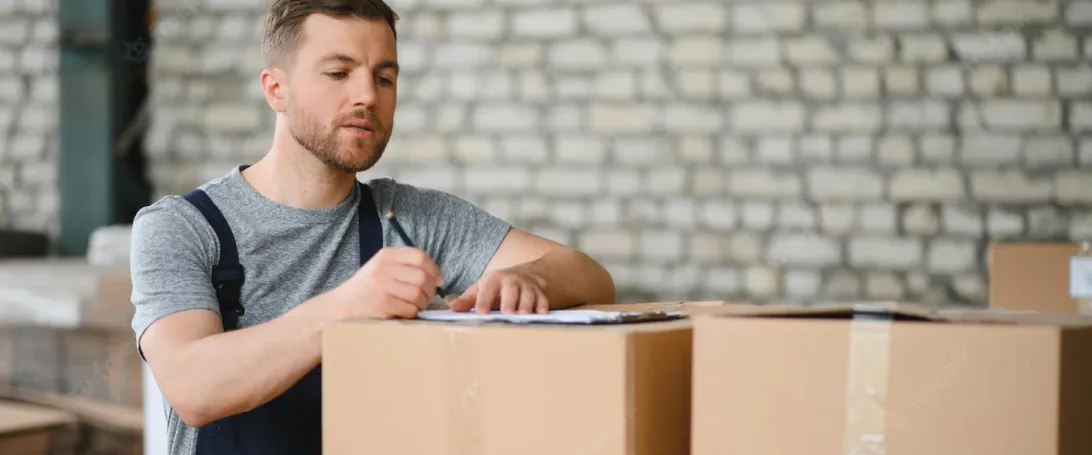
Manual inspection works reasonably well for obvious problems, like a crushed box or a missing label altogether. Where it struggles is with the subtler stuff, and that's not a knock on the people doing the job. A person standing at a line running several hundred units a minute for an eight hour shift is going to miss things. Attention naturally dips. Fatigue sets in. What looks fine at 2 p.m. might get missed at 2 a.m. Inspection quality can also vary from one shift or one inspector to the next, which makes it hard to guarantee a consistent standard across an entire production run.
That consistency matters more in food than in most other industries, because the margin for error is genuinely narrow. A packaging seal that's even slightly compromised can let in contamination. A label with the wrong allergen information isn't a cosmetic issue, it's a safety issue. Food manufacturers operating in Ontario have to meet labelling and packaging requirements set by the Canadian Food Inspection Agency, and those standards apply the same way whether inspection is done by a person or a camera. Computer vision doesn't change what the standard is. It changes how reliably a plant can actually meet it, unit after unit, without the natural variability that comes with human inspection.
How Computer Vision Actually Works on a Packaging Line
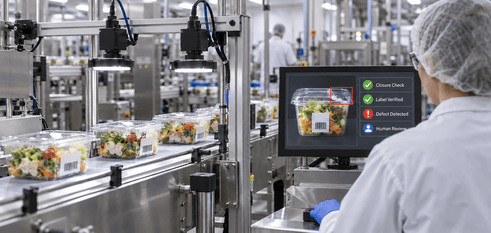
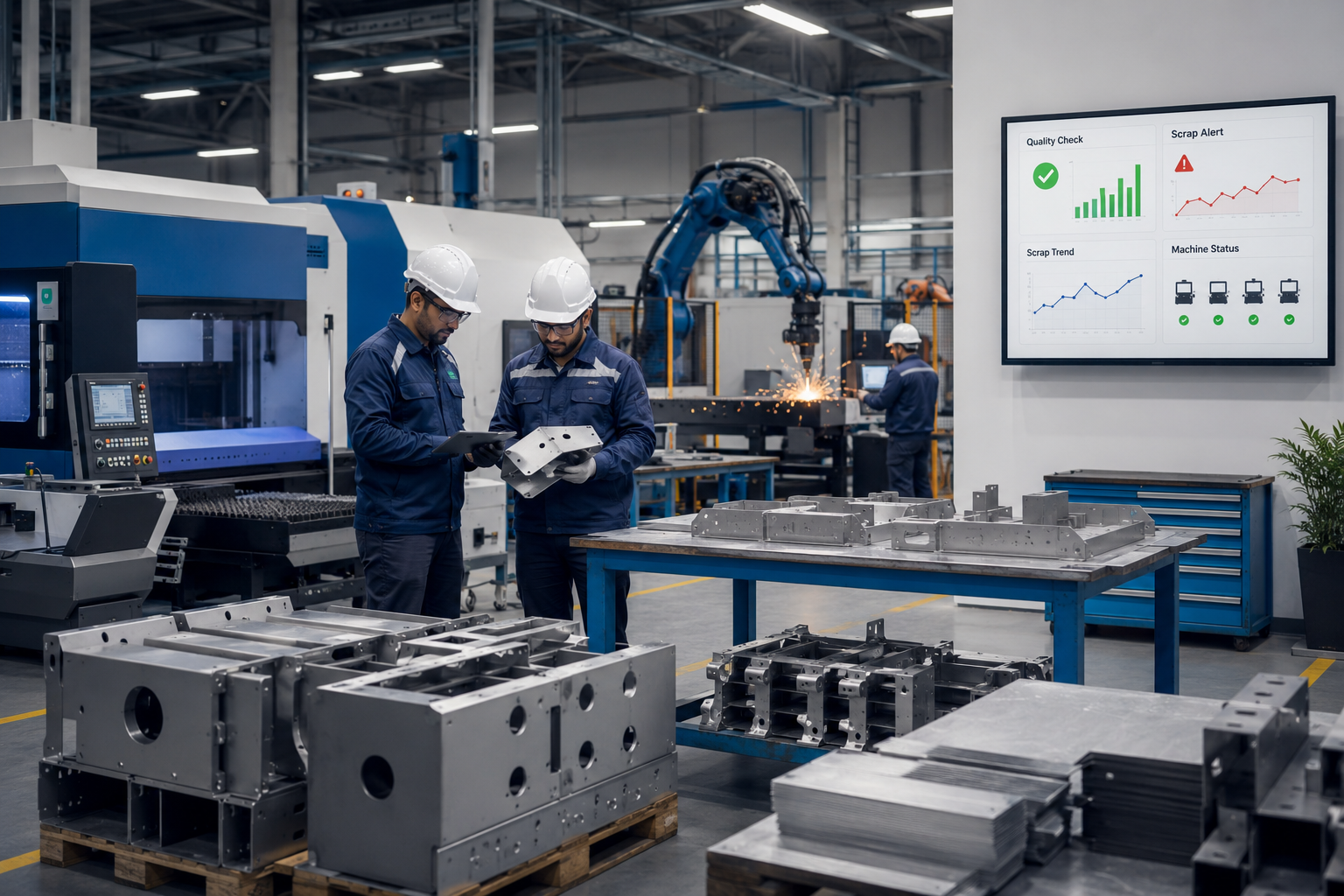
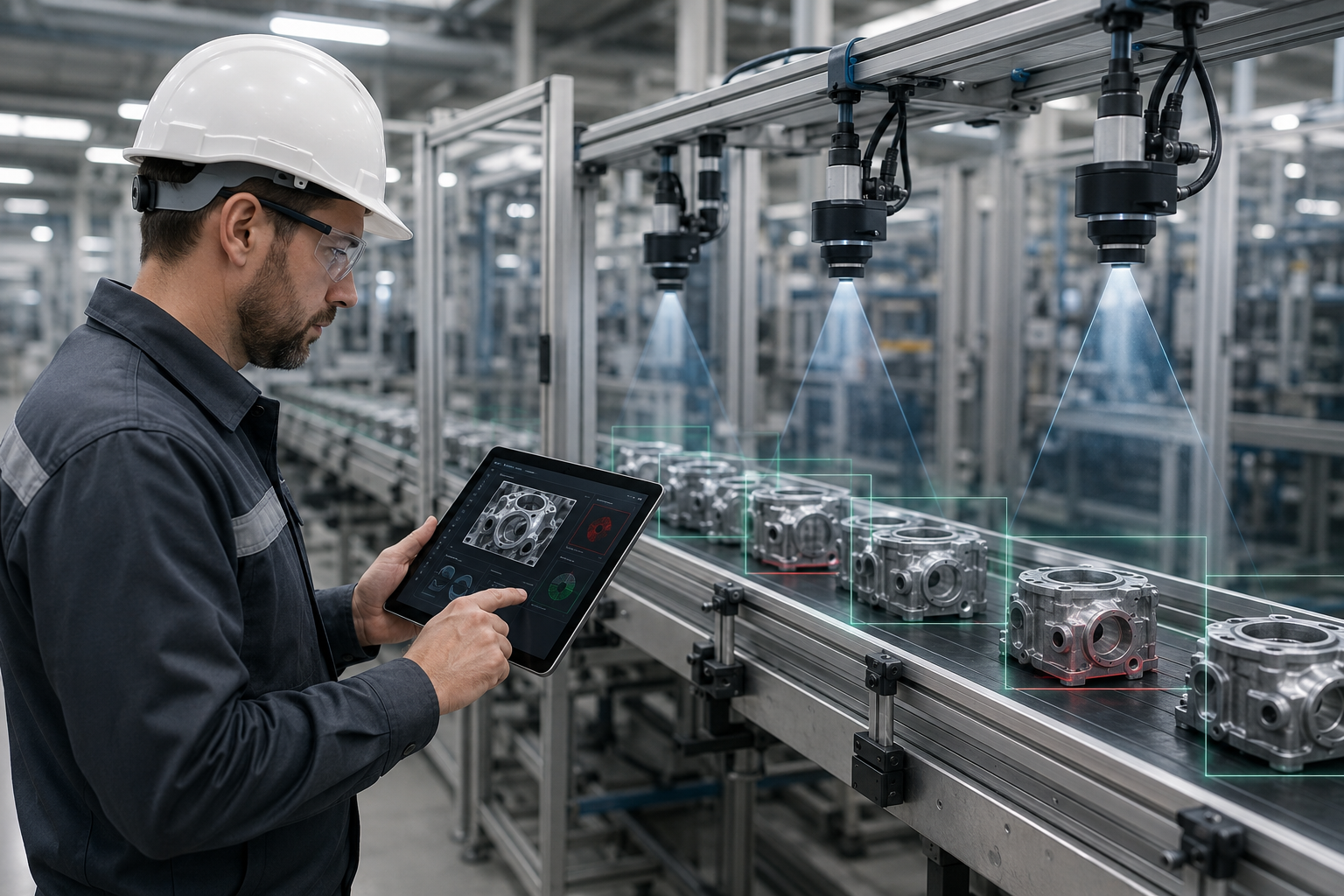
The basic idea is simpler than it sounds. High resolution cameras are positioned along the line to capture images of each package as it passes, usually right after sealing or labelling, where defects are easiest to catch. An AI model, trained on examples of both good and defective packaging, analyzes each image in real time and flags anything that doesn't match expected parameters: a gap in a seal, a fill level that's off, a label that's crooked or missing text.
What makes this different from older style machine vision food packaging setups is the AI layer. Traditional machine vision could check for fixed things, like whether a label is present or a box is the right size, using rigid rules. Modern systems built with computer vision can learn from a broader range of examples, which means they catch defects that don't fit a single predictable pattern, like an oddly shaped tear or a label printed slightly too light to read reliably. This is the kind of system Theta Technolabs builds through its computer vision development services canada, trained specifically on a plant's own packaging formats and defect history rather than a generic off the shelf model.
What Defects Computer Vision Catches That Manual Inspection Misses
A well trained system can typically identify:
- Seal integrity issues, such as gaps, wrinkles, or incomplete seals that risk contamination
- Fill level inconsistencies, including under filled or over filled containers
- Label and print errors, such as missing, misaligned, or illegible text and best before dates
- Foreign contamination, meaning visible debris or material that shouldn't be present
- Packaging deformation, like crushed, torn, or misshapen containers
- Barcode and traceability code legibility, catching codes that scanners downstream would otherwise reject
None of these require the system to be smarter than a person in some abstract sense. It's simply that a camera doesn't blink, doesn't get bored, and applies the same scrutiny to unit 10,000 as it did to unit one.
What Changes on the Floor When Defects Are Caught Earlier
The difference between catching a defect at the packaging line and catching it after the fact isn't just cost, it's how much control a plant has over what happens next. A flawed unit pulled at the line gets reworked or discarded on the spot. The same defect discovered after shipping means a retailer complaint, a possible chargeback, and in serious cases, a recall that pulls product back through the entire distribution chain.
That difference compounds. A plant catching more defects earlier isn't just avoiding one bad outcome, it's avoiding the slower, more expensive version of the same problem repeating itself down the line, month after month. It also changes the compliance conversation. Instead of documenting how a defect got past inspection, the plant is documenting that its inspection process caught it.
None of this means the risk disappears. It means the point at which a problem gets caught shifts earlier, where it's cheaper and simpler to deal with.
Machine Learning's Role in Continuous Improvement
One thing worth understanding upfront: a computer vision system isn't a set it and forget it tool. It improves over time because the underlying model keeps learning from new data, including new packaging formats, new defect types that show up as products or suppliers change, and seasonal packaging variations. This is where machine learning services canada come into play. The same underlying discipline that trains the vision model initially is what keeps it accurate as a plant's product line evolves. A system trained on today's packaging should be retrained periodically as things change, rather than left untouched for years and expected to stay reliable.
Bringing Computer Vision into an Ontario Food Plant
Getting a computer vision system running in an Ontario plant is mostly a practical question, not a regulatory one. The real considerations are integrating cameras with an existing line without a full shutdown, working with a team that understands Canadian food safety documentation, and rolling out gradually rather than overhauling an entire facility at once.
That's usually a more useful starting point than trying to decide whether computer vision is worth it in the abstract. It's better framed as a practical question: which part of the packaging line has the most recurring defect issues, and could a targeted vision system address that specific problem first. Theta Technolabs works with manufacturers through its ai development company in canada team in Toronto to scope exactly that kind of phased rollout.
How to Choose the Right Computer Vision Partner
Not every vendor approaches this the same way, and the difference matters. A few things worth checking before committing to one:
- Integration approach: can the system work with your existing line hardware, or does it require replacing equipment?
- Model training method: is it trained on your actual packaging and defect data, or a generic pre built model?
- Ongoing support: who retrains the model as your packaging or product line changes?
- Scalability: can it expand to additional lines or plants without starting from scratch?
These questions matter more than which brand of camera is being used. The technology is only as good as how well it's tailored to your specific line.
Frequently Asked Questions
What does a computer vision packaging inspection system cost?
It depends on line speed, camera count, and how much custom model training is needed. Best scoped after a walkthrough of your specific line.
Can computer vision integrate with an existing packaging line?
Usually yes. Cameras are typically added at existing inspection points without a full line replacement, though setup depends on your current equipment.
How accurate is AI based defect detection compared to manual inspection?
It depends on training quality, but well trained systems generally hold up more consistently across a shift than manual inspection does.
Do computer vision systems help with CFIA compliance?
They support it by improving detection consistency, though they don't change what the CFIA requires.
Getting Started
Packaging defects are rarely dramatic on their own. They're small, easy to miss issues that add up in cost, waste, and risk over time. Computer vision doesn't remove that risk entirely, but it gives food manufacturers a more consistent way to catch problems before they leave the plant.
Theta Technolabs designs computer vision systems for food and beverage manufacturers across Canada, including through its Toronto based AI team, built around a plant's actual packaging formats and defect history rather than a generic off the shelf model. If you're weighing whether it makes sense for your line, reach out at sales@thetatechnolabs.com to talk through where it would have the most impact.