

Equipment failure has always been one of the costliest problems in Canadian mining, and it's rarely the dramatic failures that hurt the most. It's the slow ones: a bearing running hot for weeks before anyone notices, a pulley wearing down quietly until it finally gives out. Across mine sites in Ontario, British Columbia, and Quebec alike, the pattern repeats: a machine goes down without warning, and the closer that machine is to nowhere, the worse the fallout gets.
Quebec is a useful place to look at this problem right now, because the province is actively expanding its mining footprint. New critical mineral projects are moving through development in Abitibi, Côte-Nord, and Nord-du-Québec, many of them in locations that are remote, seasonally hard to reach, and thin on on-site maintenance staff. When a crusher or haul truck fails at a site like that, it isn't a quick fix: it can mean days of lost production while parts and technicians make the trip north.
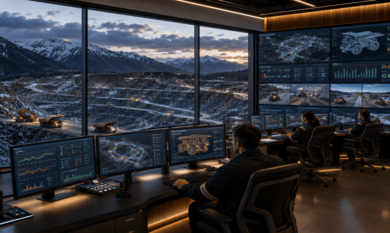
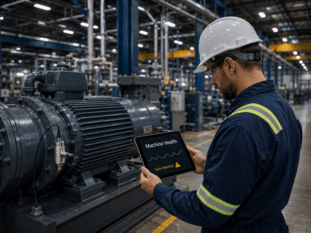
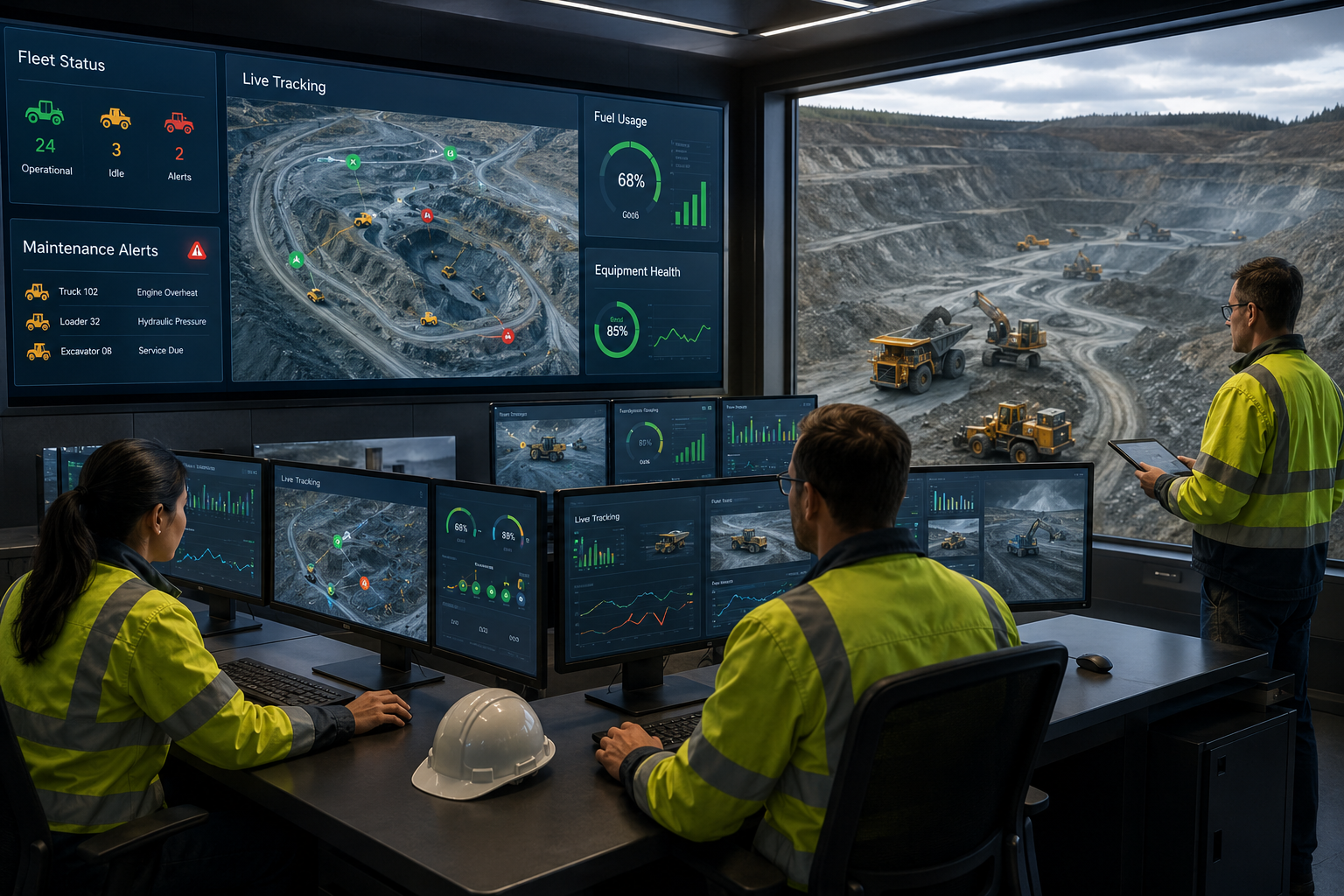
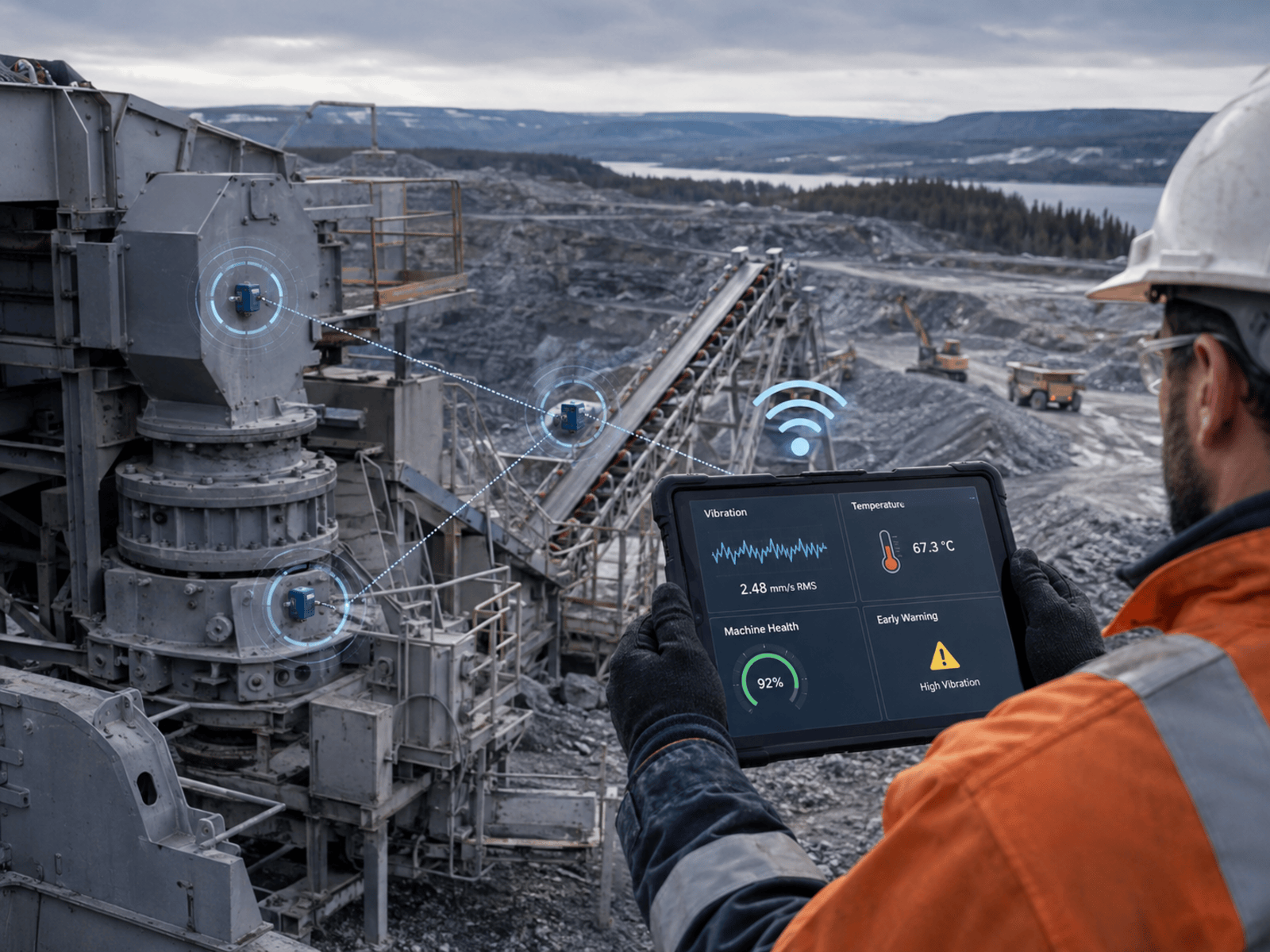
Remote equipment condition monitoring exists to change that pattern. Instead of waiting for something to break or relying on periodic manual checks, sensors track how a machine is actually behaving: vibration, temperature, load, continuously, and that data feeds systems built to catch early warning signs before they turn into a shutdown. This blog walks through how that works in practice: why Quebec's current growth makes this more relevant than it's ever been, how the AI layer turns raw sensor data into something a maintenance team can act on, what changes when a site has no reliable connectivity, and what a mine operator can realistically expect from adopting this, without the inflated claims that tend to show up in this space.
Why Quebec's Mining Sector Needs This Now
Quebec isn't quietly maintaining its mining sector: it's building it out with real government backing. In January 2026, the provincial government launched its 2025–2031 Strategy for the Development of Critical and Strategic Minerals, supported by an $88.1 million budget aimed at speeding up projects, strengthening local processing, and positioning the province as a dependable international supplier.
A few numbers give a sense of the scale involved:
- More than 50 mining projects in Quebec have already reached the development stage, and over half of those involve critical or strategic minerals.
- Over 1,100 exploration projects are underway across the province, more than 600 of them tied to critical and strategic minerals.
- Private mining investment in Quebec reached $6.2 billion in 2024, according to figures published by the Gouvernement du Québec.
Growth on that scale means more equipment running in places that weren't heavily staffed a few years ago. A newly developed site in Nord-du-Québec doesn't have the luxury of a large crew walking every asset daily. As mining technology solutions in Quebec keep pace with this expansion, having visibility into equipment health without physically standing next to it stops being optional and starts being basic operational necessity.
What Remote Equipment Condition Monitoring Actually Involves
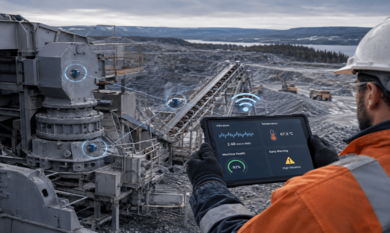
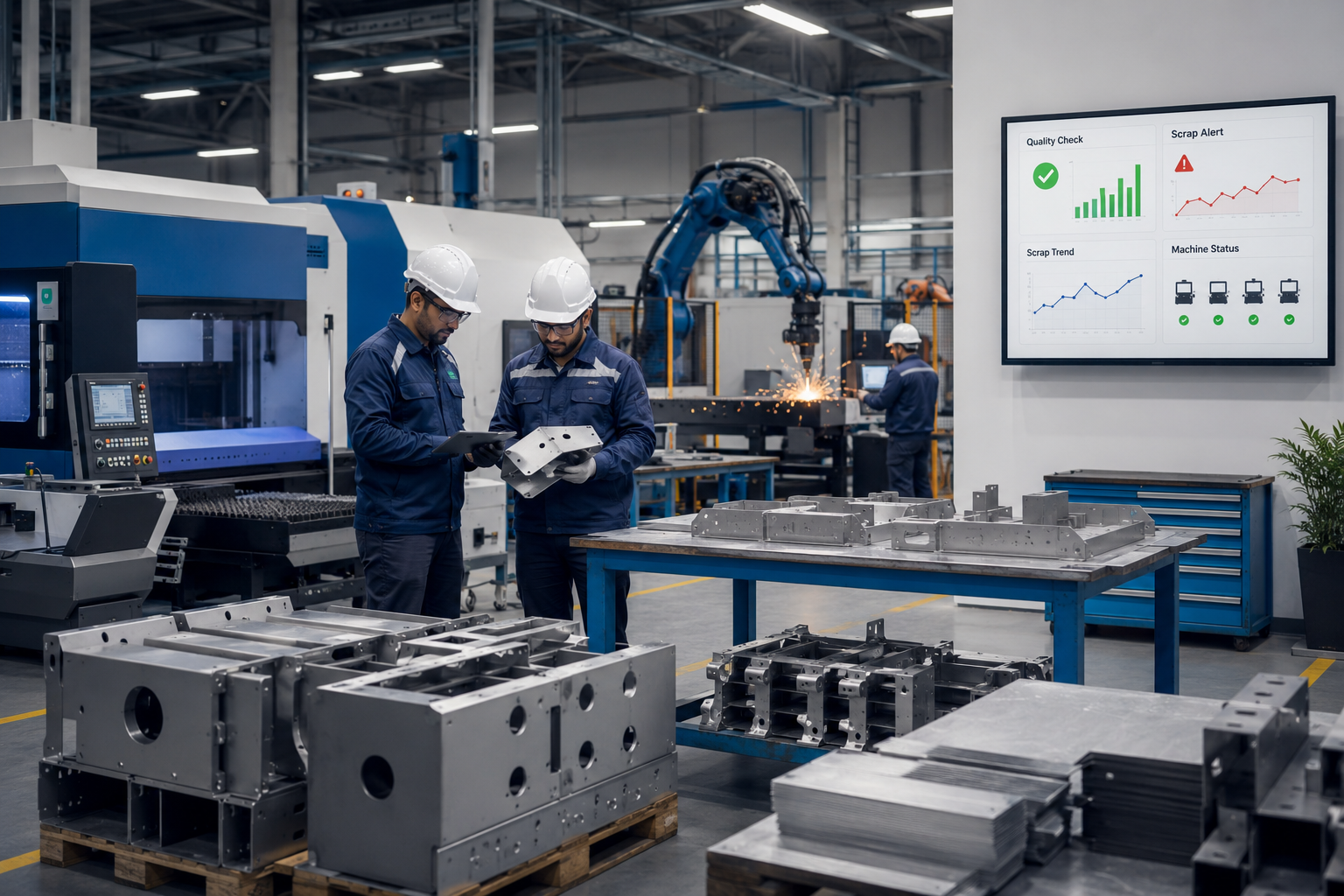
At its core, condition monitoring means tracking the physical health signals of a machine: vibration, temperature, pressure, sometimes acoustic patterns, using sensors mounted directly on or near the components that matter most. Crushers, conveyor pulleys, haul truck engines, ventilation fans, and pump motors are the usual targets.
The important distinction is between simply having sensors and actually monitoring condition. A sensor by itself just produces numbers. Condition monitoring happens when those numbers are collected continuously, compared against what "normal" looks like for that specific machine, and routed to a dashboard or alert system a maintenance planner can actually use. Most modern setups lean on wireless sensors, for two practical reasons:
- Running cable out to a remote conveyor pulley or an isolated pump station usually isn't realistic.
- Battery-powered or energy-harvesting sensors can be installed without shutting the equipment down first.
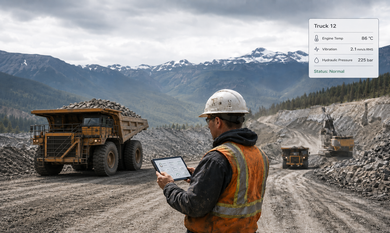
For Quebec sites, this typically means prioritizing the assets that are most expensive to lose without warning: crushers that halt an entire processing line if they fail, haul trucks that can get stranded at a remote pit, and pumps or ventilation systems that keep underground work safe and continuous.
From Data to Decisions: Where AI Comes In
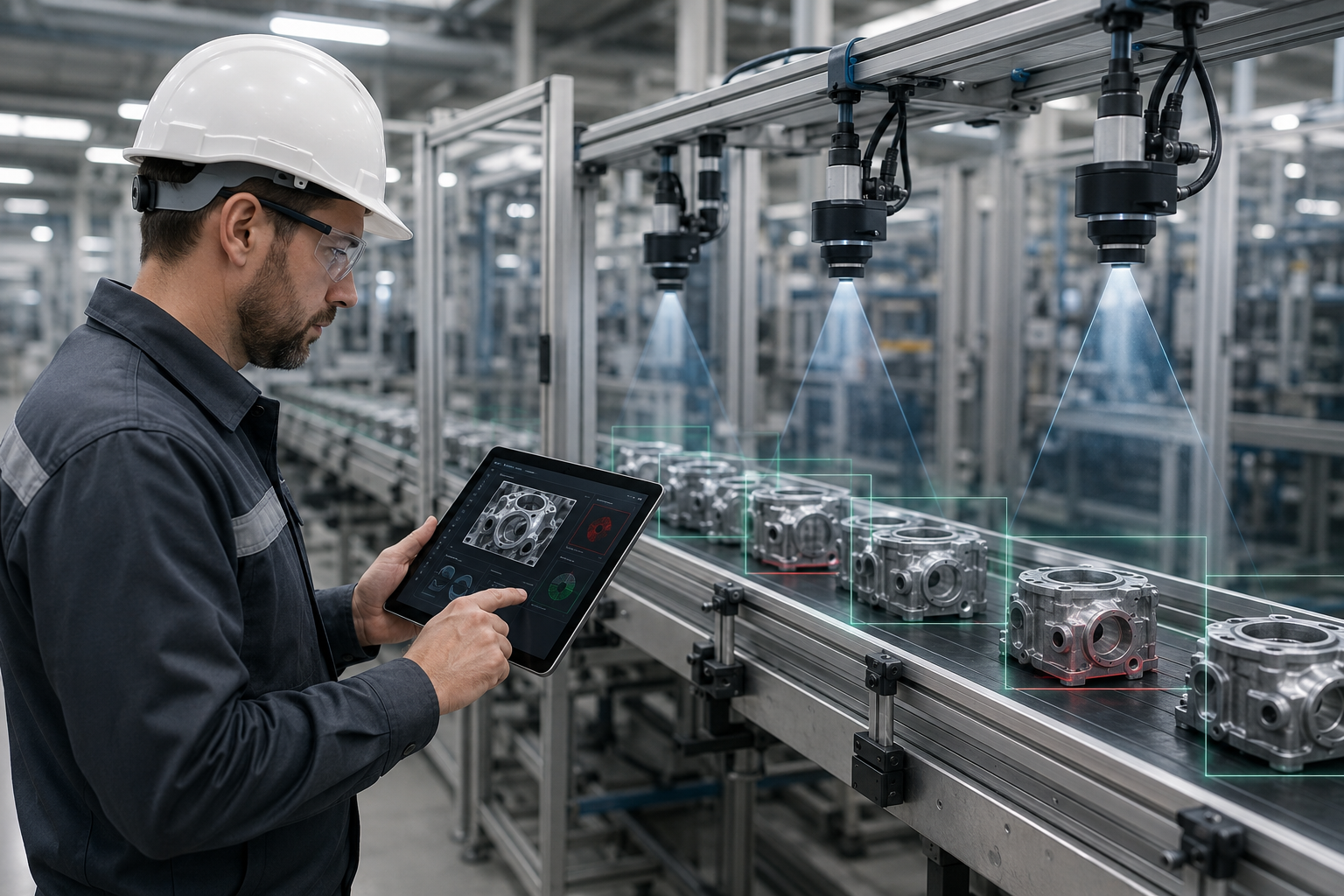
This is where a basic sensor network turns into something genuinely useful. Raw vibration or temperature readings don't mean much on their own: machines run warm under heavy load, vibration naturally shifts with output. The real value shows up when machine learning models are trained on a machine's own historical data to recognize the specific patterns that tend to show up before a failure, rather than just flagging a number that crossed a fixed line.
In practice, this usually involves time-series models: gated recurrent networks or similar approaches, trained on sensor history to learn what a bearing's vibration signature looks like in the weeks leading into failure, compared with normal operation. Published research applying these methods to mining equipment has shown they can meaningfully reduce the risk of unplanned failures, with some studies reporting useful predictive results looking roughly a month ahead. That's not a guarantee for every asset or every site: model accuracy depends heavily on the quality and history of the data feeding it, but it illustrates the kind of lead time this approach is realistically capable of producing.
That kind of window is what actually changes planning. It's the difference between reacting to a 2 a.m. failure and scheduling the repair during a planned low-production window. This is the same logic behind Theta Technolabs' AI-Driven IoT Analytics & Predictive Intelligence work: sensor data feeding models trained on each asset's own operating history, rather than generic threshold alarms that treat every machine the same way.
The Quebec-Specific Challenge: Remote and Underground Connectivity
This part often gets skipped in general condition-monitoring content, but for Quebec it's central: a lot of this equipment sits somewhere without dependable cellular coverage. Underground mines block signal outright. Remote surface pits in Côte-Nord or Nord-du-Québec can sit well outside any tower's range, especially once winter thins out site traffic.
There isn't one fix for this: it usually comes down to matching the connectivity approach to where the equipment actually sits:
- Underground assets: typically rely on mesh networking or BLE (Bluetooth Low Energy) relays, where sensor data hops from device to device until it reaches a gateway near the surface.
- Remote surface sites without cellular coverage: increasingly use satellite-connected sensors to move data back to a central dashboard on a practical schedule.
- Sites with partial connectivity: often blend both, using local mesh coverage on-site and satellite or cellular backhaul to get the aggregated data out.
Neither mesh networking nor satellite IoT is new or experimental at this point: both are established, working approaches to this exact problem in remote industrial settings. It's a large part of why remote mine monitoring work for the Montreal region, as it's built out by Theta Technolabs, starts from the assumption that reliable connectivity can't be taken for granted.
What Downtime Actually Costs and What Realistically Changes
It's worth being straightforward about what this technology does and doesn't fix. Condition monitoring won't prevent every failure: no system can promise that. What it changes is the type of failure a site deals with, shifting more of them from sudden, reactive breakdowns to planned interventions the team saw building.
The real cost of downtime in mining usually isn't the failed part itself: it's the chain reaction that follows:
- A crusher failure can halt an entire processing circuit, not just one line.
- A haul truck breaking down at a remote pit can strand the asset and force a scramble to redeploy others.
- Unplanned ventilation or pump failures underground can force a broader safety-driven shutdown, not just a repair delay.
Catching a developing issue weeks ahead means that repair can happen on a scheduled maintenance day instead of triggering an unplanned stoppage. That's the practical shift on offer here: fewer surprises, and more control over when maintenance actually happens, rather than a promise of zero downtime.
Integrating With Existing Mine Operations
One of the more common hesitations around adopting this kind of system isn't the sensors or the AI: it's the fear of tearing out systems that already work. Most sites already run a computerized maintenance management system (CMMS) to track work orders and asset history. A well-built condition monitoring setup is meant to feed into that existing system, not replace it, so predictive alerts show up where the maintenance team already works instead of creating a second dashboard nobody checks. The goal isn't a full technology overhaul: it's giving the systems already in place better data to act on.
Frequently Asked Questions
What is remote equipment condition monitoring in mining?
It's the continuous tracking of a machine's physical health signals: vibration, temperature, pressure, using sensors, so maintenance teams can see how equipment is performing without needing to physically inspect it on site.
How does AI improve predictive maintenance accuracy?
AI models are trained on a machine's own historical sensor data to recognize patterns that tend to precede a failure, rather than simply flagging readings that cross a fixed threshold, which allows for earlier and more asset-specific predictions.
What sensors are used to monitor mining equipment remotely?
Typically vibration, temperature, and pressure sensors mounted on critical assets like crushers, conveyor pulleys, haul trucks, and pump motors, usually wireless to avoid the cost of running cable to remote equipment.
Does remote monitoring work in underground or low-connectivity sites?
Yes: underground sites generally rely on mesh or BLE relay networks to move data to a surface gateway, while remote surface sites without cellular coverage often use satellite-connected sensors instead.
Why is this relevant to mining operations in Quebec specifically?
Quebec's mining sector is expanding quickly under its 2025–2031 critical minerals strategy, bringing more equipment online in remote and underground sites where manual inspection is difficult, which makes remote monitoring an increasingly practical need rather than an optional upgrade.
Where This Fits in Practice
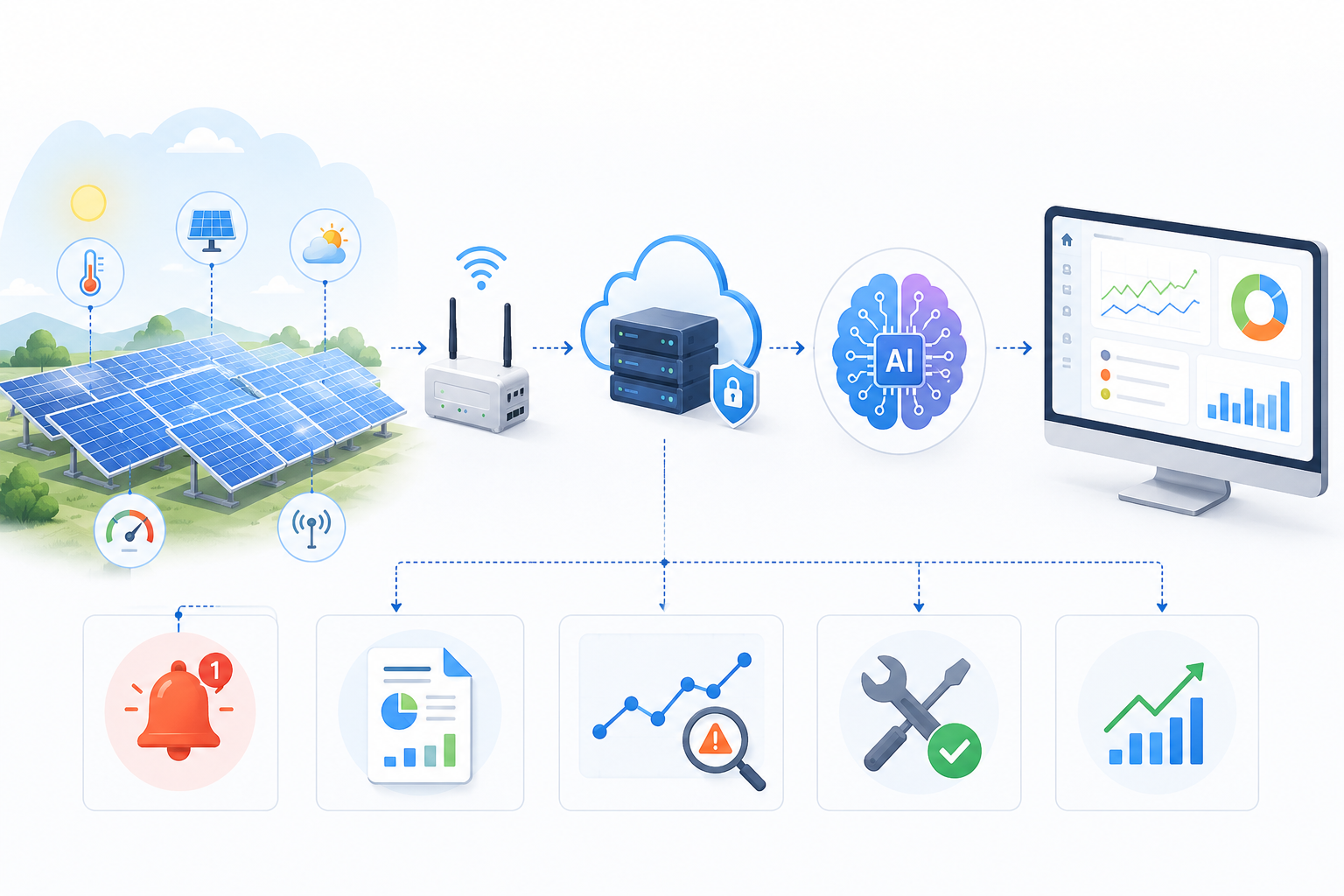
For a mine site, this usually comes together as a fairly straightforward stack: wireless sensors on the physical equipment, a connectivity layer suited to the site (BLE mesh underground, satellite or cellular above ground), and a cloud-based analytics layer running the predictive models that turn raw readings into early warnings. On the software side, that often looks like an IoT gateway pipeline feeding a time-series database, machine learning models commonly built in Python handling the pattern recognition, and a dashboard layer built on frameworks like Node.js for the interface the maintenance team actually uses day to day.
That's roughly how Theta Technolabs approaches this kind of build for mining clients: matching the sensor and connectivity layer to what a given site can realistically support, and training the analytics layer on that equipment's own operating history rather than generic assumptions. If you're weighing this for a Quebec site and want to talk through what it would actually take, you can reach us at sales@thetatechnolabs.com.