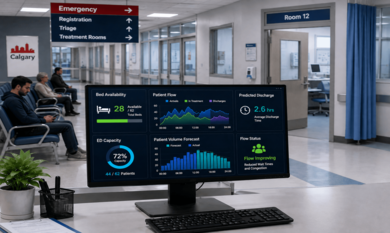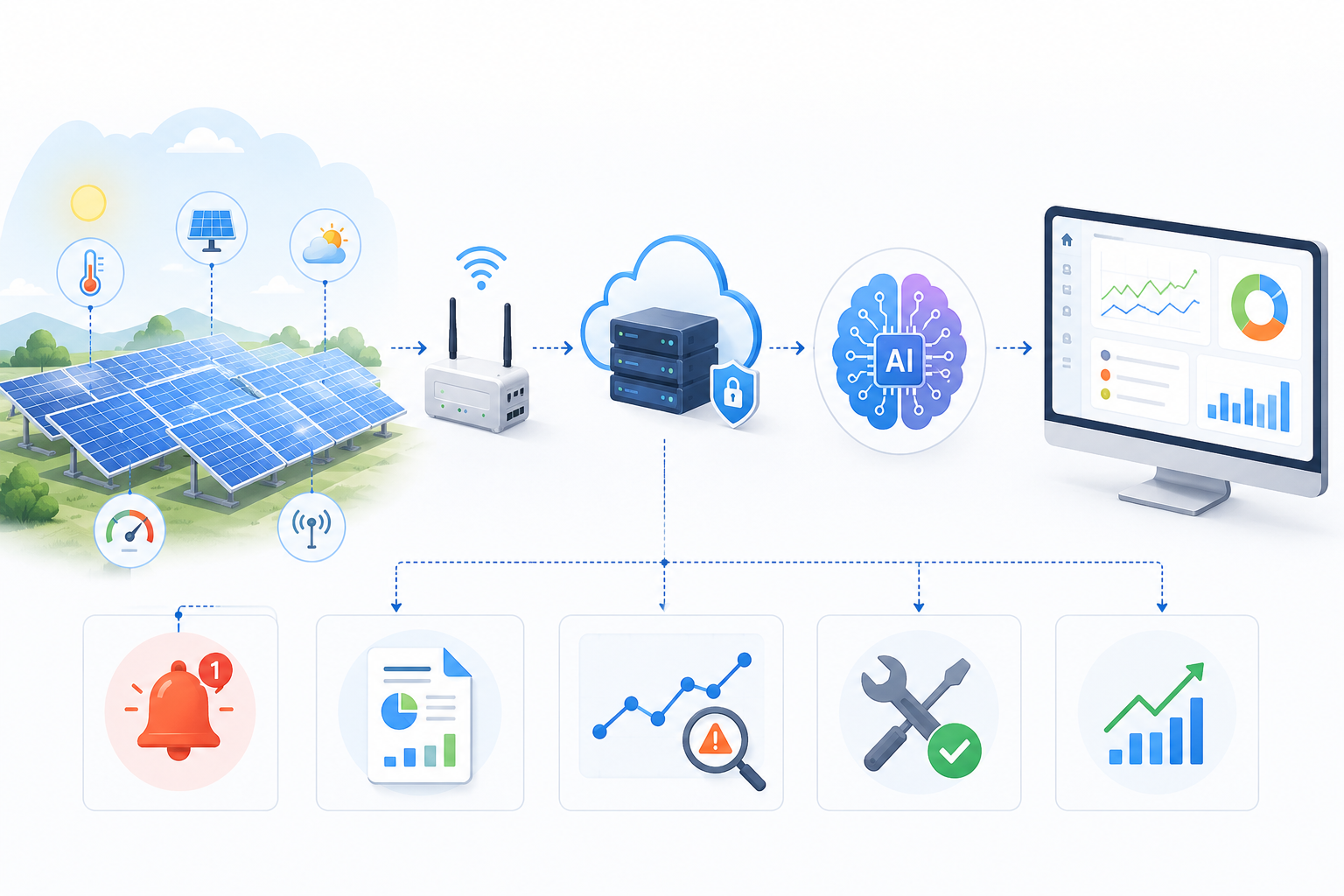


Building a virtual care platform in Canada sounds straightforward until the real questions start. Which provincial privacy rules apply, where patient data is allowed to live, who stays accountable for clinical decisions, and whether the platform can connect to the systems clinics already use. These are the points where many founders lose momentum, because they surface after the build has already started.
The way through is to plan the platform around compliance and interoperability from the very first sprint, rather than treating them as things to fix later. That single shift is what keeps a product on track to launch.
This guide breaks that approach down into simple steps, covering the build route you choose, the core modules you need, British Columbia's compliance reality, integration standards, where AI genuinely helps, and a realistic path from idea to a working product.
Why founders are building virtual care platforms in Vancouver now
Access pressure and the shift toward hybrid care have made remote consultations a normal expectation rather than a novelty. British Columbia is one of the provinces where virtual visits can be covered under the public health plan, which lowers a real barrier for patients and gives founders a clearer path to adoption. Vancouver adds a deep pool of engineering and health technology talent, which makes it a credible base for virtual healthcare app development. If your ambition is regional first and national later, a Vancouver launch gives you a defined and manageable market to prove the model and refine workflows before you expand. Working with an experienced AI development company in Vancouver can also shorten the distance between a clinical idea and a tested build.
Build, buy, or white label your platform
Before writing a line of code, decide how you will acquire the platform, because that choice shapes cost, speed, and how much control you keep.
- Custom build. Full control over features, data, and compliance, at the cost of more time and a larger upfront investment.
- Buy or license. Faster to market, but you inherit another company's roadmap and limits.
- White-label. A middle path that can launch quickly, though deep customization and true ownership may be constrained.
Each route carries trade-offs, and the right answer depends on how differentiated your clinical model is and how much you need to own the data layer. What does not change is accountability. Whichever path you take for telemedicine platform development, the responsibility for privacy and for clinical decisions stays with your organization and your clinicians, not with the tooling. Treat virtual care platform development cost as a function of scope rather than a single number, since features, integrations, and compliance depth move the figure more than anything else.
Core modules of an MVP virtual care platform
A strong first release does not try to do everything. It covers the essential virtual care platform features well and leaves room to grow. Most early platforms need a core set of modules.
- Patient scheduling and appointment management.
- Secure video consultations and messaging.
- Patient intake with express, tiered consent capture (separating clinical care consent from data hosting and processing permissions).
- Electronic prescribing.
- Billing and payment handling.
- Connectivity to electronic medical record and health record systems.
Building this as a minimum viable product lets you launch in a limited scope, learn from real use, and add capability with evidence rather than guesswork. A partner grounded in healthcare software development can help you sequence these modules so the first version stays lean without painting you into a corner later.
Compliance by design for a BC virtual care platform
Compliance is not a final checklist. It is a set of decisions that belong in the architecture from the start, and in British Columbia the rules depend on who holds the data. Private-practice providers generally fall under the province's Personal Information Protection Act, known as PIPA. Public health bodies such as health authorities and hospitals are governed by the Freedom of Information and Protection of Privacy Act, or FIPPA, and the province's E-Health Act can apply where designated health information is involved. Federal PIPEDA still reaches personal information that crosses provincial or national borders in the course of commercial activity, which matters the moment you serve patients in more than one province. Canadian data residency is the practical way to keep this manageable, and encryption in transit and at rest, access controls, audit logs, and consent management should be built in rather than added later.
Clinical accountability sits with people, not software. A physician who provides care through your platform remains a registrant of the College of Physicians and Surgeons of British Columbia and is held to its Virtual Care practice standard, and registration requirements generally follow where the patient is located. Prescribing brings distinct clinical safety duties, and in British Columbia licensees are expected to follow the Ministry of Health's PharmaNet requirements, which can support identity verification and dispensation records and help reduce the risk of prescription fraud. A PIPEDA-compliant telemedicine platform supports these duties but meeting them remains the responsibility of your organization and your clinicians. If your product moves into diagnosis or treatment decisions, it may be considered software as a medical device under Health Canada, which is worth confirming early with qualified advice.
Interoperability and EMR integration
A platform that cannot share data with the systems clinicians already use will struggle to earn its place in a care setting. EMR integration is what lets a provider see a patient's history without switching tools and keeps records consistent across a visit. The standards that make this possible are HL7 and its modern successor FHIR, which support structured, consent-aware exchange of health information across a patient's circle of care. Designing for these standards early keeps future integrations and data portability far simpler than retrofitting them once the platform is live.
Where AI fits in a modern virtual care platform
Used carefully, AI can lift the routine load without displacing clinical judgement. Virtual health assistants can guide patients through intake and help them reach the right level of care. Non-diagnostic intake screening and triage tools can assist in prioritizing incoming requests, while remote monitoring dashboards track vital trends, ensuring decisions remain human-guided to respect software-as-a-medical-device boundaries. In every case the technology can support the clinician, and the clinician retains the decision. That boundary is what keeps AI features safe and credible, and it should be explicit in how the product is designed. Theta's work in AI-driven digital healthcare services is built around that principle of augmenting, not replacing, the people responsible for care.
A realistic build roadmap and what drives cost and timeline
A sensible path moves in phases rather than one long build. Start with discovery and compliance mapping so the rules are understood before design begins. Move to a minimum viable product that covers the core modules. Run a pilot in a limited clinical scope to test workflows with real users. Then scale with the confidence that evidence brings. The main drivers of time and budget are feature scope, the number and depth of integrations, how much compliance work the setting requires, and the complexity of any AI capability. Being honest with yourself about these drivers early, and revisiting them at each phase, prevents the mid-build surprises that derail so many first launches.
Conclusion
Launching a virtual care product in Canada is less about shipping screens and more about the decisions underneath them. The founders who plan for privacy, clinical accountability, and interoperability from the outset are the ones whose platforms hold up in a real care setting and can grow from there. If you are ready to turn a clinical idea into a compliant, scalable build, a specialized healthcare app development company Canada can help you move from plan to product. Reach out to Theta Technolabs at sales@thetatechnolabs.com to start the conversation.
Frequently Asked Questions
What is a virtual care platform and what does it need to do in Canada? A virtual care platform is software that lets patients and clinicians connect remotely for consultations, monitoring, and follow-up care. In Canada it typically needs secure video and messaging, patient intake and consent, electronic prescribing, billing, and connectivity to existing clinical records, all built to meet the applicable privacy rules.
Do I need CPSBC registration to launch a virtual care service in Vancouver? The physician providing care must be appropriately registered, and registration requirements generally follow where the patient is located. Providers practising in British Columbia are held to the College of Physicians and Surgeons of British Columbia's Virtual Care practice standard, so it is best to confirm your model against it with qualified advice.
Where does patient data have to be stored for a Canadian virtual care app? Canadian data residency is the practical safe path, since it simplifies privacy analysis and reduces the complexity of cross-border transfers. Alongside residency, encryption, access controls, and clear consent handling are expected, and meeting these obligations remains the responsibility of the operator.
Should I build a custom platform or use a white-label product? A custom build gives you the most control over features, data, and compliance but takes more time and investment. A white-label product can launch faster, though deep customization and full ownership may be limited, so the right choice depends on how distinct your clinical model is.