

A line goes down mid-shift. No warning light, no obvious wear just a machine that quit. By the time the crew traces the fault and parts show up, you've lost a full shift of output, maybe more.
That's the problem most Calgary manufacturers are actually dealing with: not "what is predictive maintenance," but "is this the right time for us to invest in it, or are we jumping the gun." Calendar-based servicing catches some of it. It doesn't catch the failures that happen off-schedule, and those are usually the expensive ones.
The solution isn't a full plant-wide sensor overhaul on day one. It's a focused, condition-based approach starting with the equipment that actually justifies it built on real downtime numbers instead of a vendor's headline ROI figure. That's what this blog walks through: the readiness signs worth checking for, honest ROI math, which asset to start with, and why the calculus looks a little different for manufacturers running equipment in Calgary's industrial and energy-adjacent conditions.
Predictive vs. Preventive Maintenance, in Plain Terms
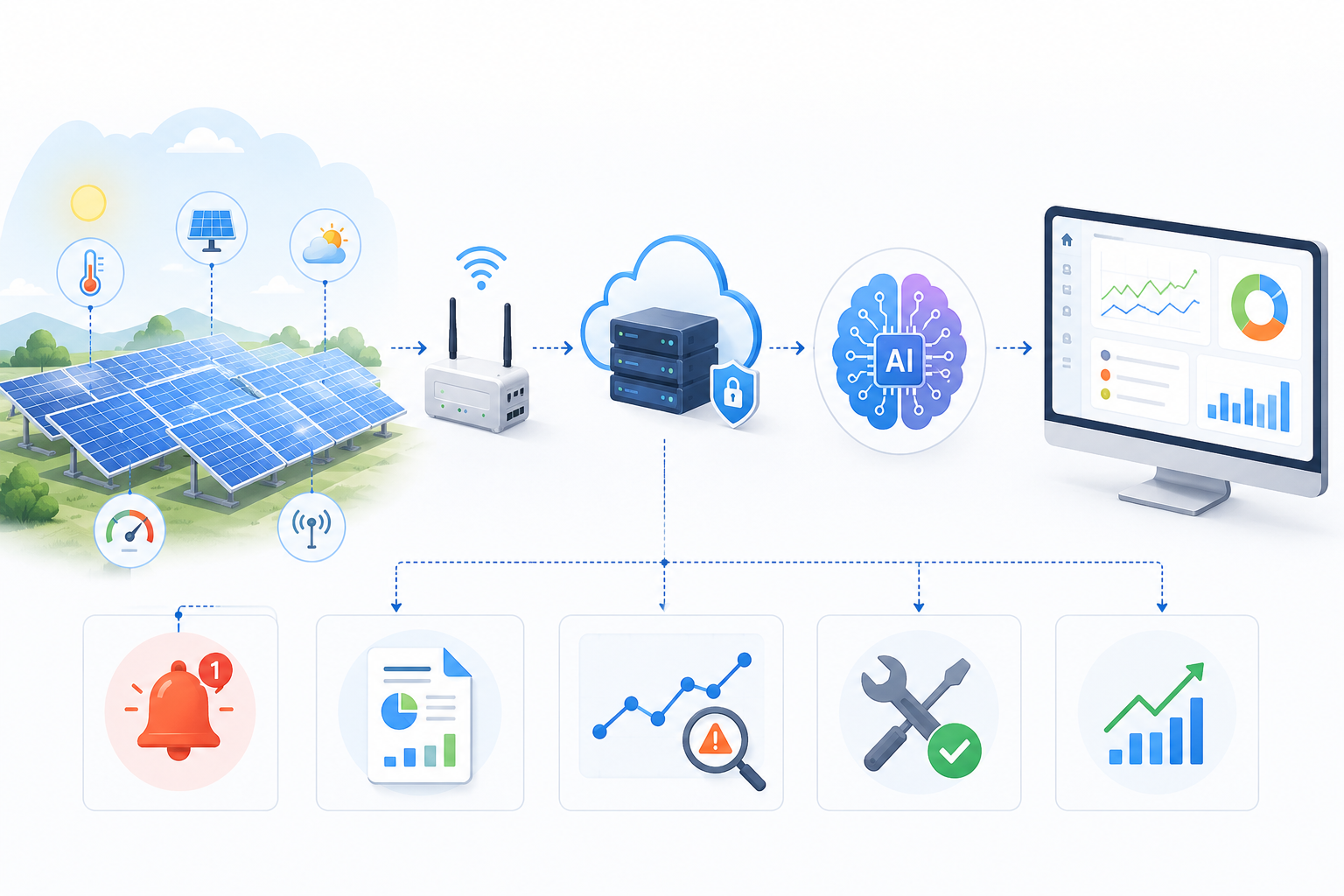
Preventive maintenance runs on a calendar service every 90 days, replace parts on a fixed schedule, whether they need it or not. Predictive maintenance runs on condition-based monitoring instead: sensors track vibration, temperature, or current draw, and flag a problem before it becomes a breakdown.
The short version: preventive maintenance relies on fixed, average-life schedules, while predictive maintenance responds to what the equipment is actually telling you. Neither approach is wrong on its own. For high-value or high-failure-frequency assets, though, condition-based monitoring tends to catch problems calendar-based servicing simply misses.
Five Signs Your Plant Is Ready
Not every facility needs to make this jump yet, and rushing in before the fundamentals are in place rarely pays off. A few signs suggest you're past the "someday" stage:
- You're seeing three or more unplanned stoppages a quarter. Occasional surprises happen. A pattern means something structural is being missed.
- A single asset failure costs you real money. If one critical machine going down costs more than a few thousand dollars in lost output or expedited repairs, that asset alone can justify a pilot.
- Your equipment already has digital interfaces. Machinery purchased in the last decade or so often has enough onboard data capability to support industrial IoT sensors without a costly retrofit.
- Your maintenance team is stretched thin. Lean crews can't keep up with reactive firefighting and calendar-based servicing at the same time. Predictive maintenance shifts effort toward planned work instead of emergency callouts.
- You're already tracking downtime, even loosely. If you have some sense of your unplanned downtime hours and their cost, you have enough to build a case you don't need perfect data to start.
If two or three of these sound like your plant, it's a reasonable time to evaluate a pilot rather than wait for a bigger failure to force the decision. IoT predictive maintenance doesn't need to start plant-wide a focused rollout on your highest-risk equipment is usually the more realistic entry point.
What the ROI Actually Looks Like
Every vendor in this space likes to lead with a big multiplier. The honest version is more modest: most manufacturers who adopt predictive maintenance for well-chosen assets see predictive maintenance ROI materialize within roughly six to eighteen months, depending on how often that equipment fails and what downtime actually costs per hour.
Natural Resources Canada has tracked industrial energy and efficiency data showing steady gains tied to better equipment monitoring and maintenance practices across Canadian manufacturing not a guaranteed number for every plant, but a reasonable directional benchmark rather than a marketing claim.
The math itself is simple:
- Take your downtime cost per hour
- Multiply it by how often that failure happens in a year
- Compare it against the cost of sensors and monitoring for that one asset
If those two numbers are close, that's usually your answer. If they're far apart, the case isn't there yet and that's a legitimate outcome too. Not every asset warrants the investment right now, and forcing it rarely ends well.
Which Asset to Start With
Resist the urge to sensor everything at once. Start with a single asset criticality priority the one with the highest combination of failure frequency and downtime cost. That's usually a bottleneck machine, something with no backup, or equipment with a history of surprise failures.
Getting a clean pilot working on one critical asset builds internal trust in the data and gives you a real case, backed by your own numbers, before expanding further. This is also where a broader look at your manufacturing software solutions setup pays off predictive maintenance works best when it isn't bolted onto disconnected systems that can't talk to each other.
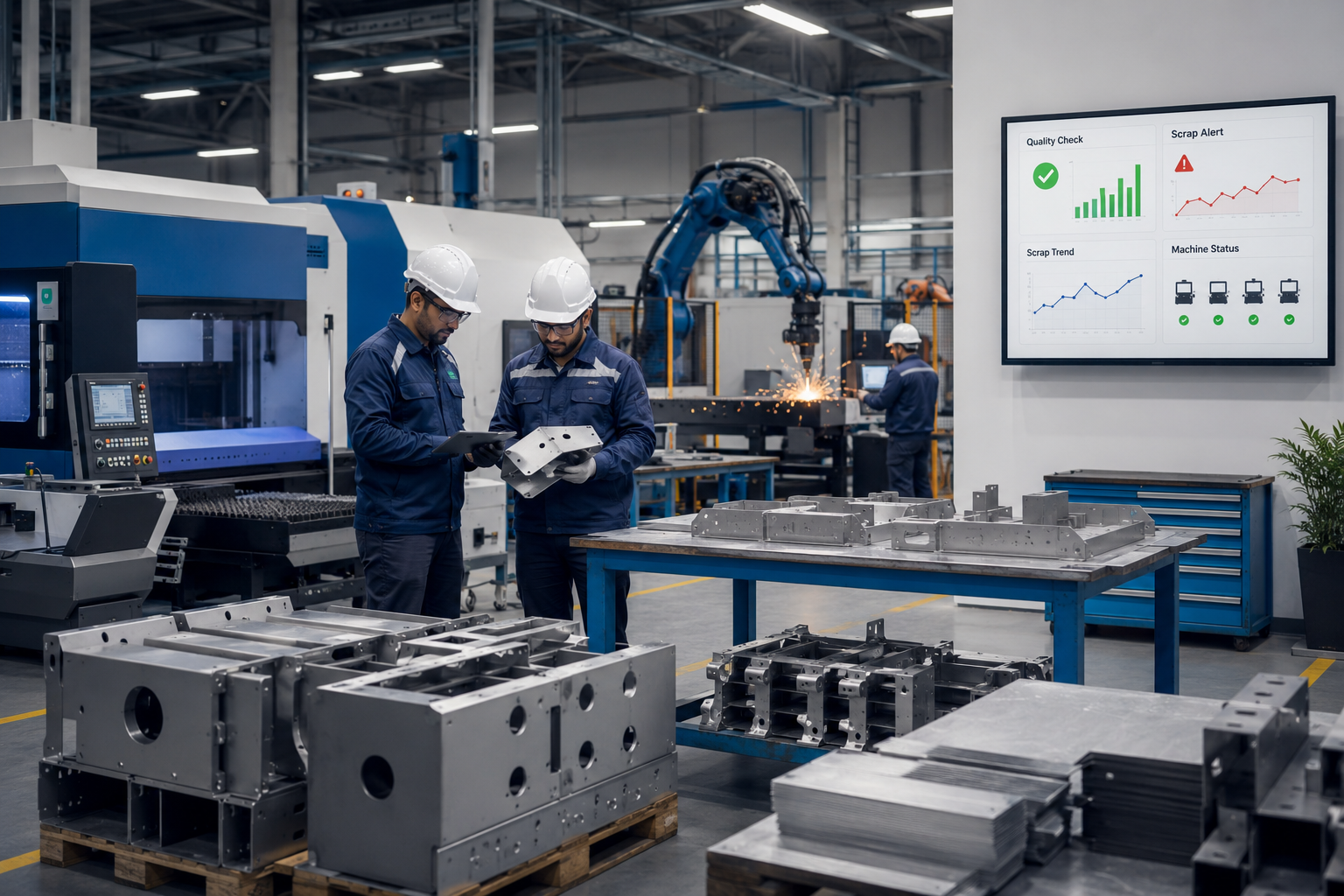
What This Looks Like on the Shop Floor
It helps to picture how this actually plays out once a pilot is running, rather than treating it as an abstract IT project:
- A vibration sensor on your highest-risk motor starts flagging a slow drift in readings weeks before failure, instead of nothing until the motor seizes
- Your maintenance team gets a scheduled window to replace a bearing on their terms, during a planned stop, instead of a 2 a.m. emergency callout
- Spare parts get ordered ahead of time instead of expedited at a premium
- Over a few months, your team starts trusting the alerts enough to act on them without second-guessing the data
None of this happens overnight, and it isn't magic it's closer maintenance planning, planned instead of emergency labour, and fewer surprises. That's the realistic version of what a pilot delivers.
Why This Matters More for Calgary Manufacturers
A lot of manufacturing in and around Calgary manufacturer operations sits close to the energy sector, which means equipment often runs in tougher conditions heat, vibration, dust than a typical light-assembly plant elsewhere in the country. That accelerates wear and makes unplanned failures more expensive to absorb.
Local plants also tend to run leaner maintenance teams than larger urban centres, which makes the labour-saving side of predictive maintenance fewer emergency callouts, more planned work particularly relevant here. For a Calgary shop weighing where to put a limited maintenance budget, this is often the difference between a plan that works and one that gets stretched too thin. Calgary manufacturer teams evaluating this shift are usually better served starting narrow and proving value before scaling.
Let's Talk About Your Plant
If a couple of these signs sound like your plant, it might be worth a conversation before the next breakdown makes the decision for you. A short readiness discussion, grounded in your actual downtime numbers rather than a generic calculator, tells you more than any sales deck.
Theta Technolabs works with manufacturers across Canada on exactly this kind of pilot starting small, proving the case on one asset, and scaling only once the data backs it up. Reach out at sales@thetatechnolabs.com to talk through where your plant stands today.