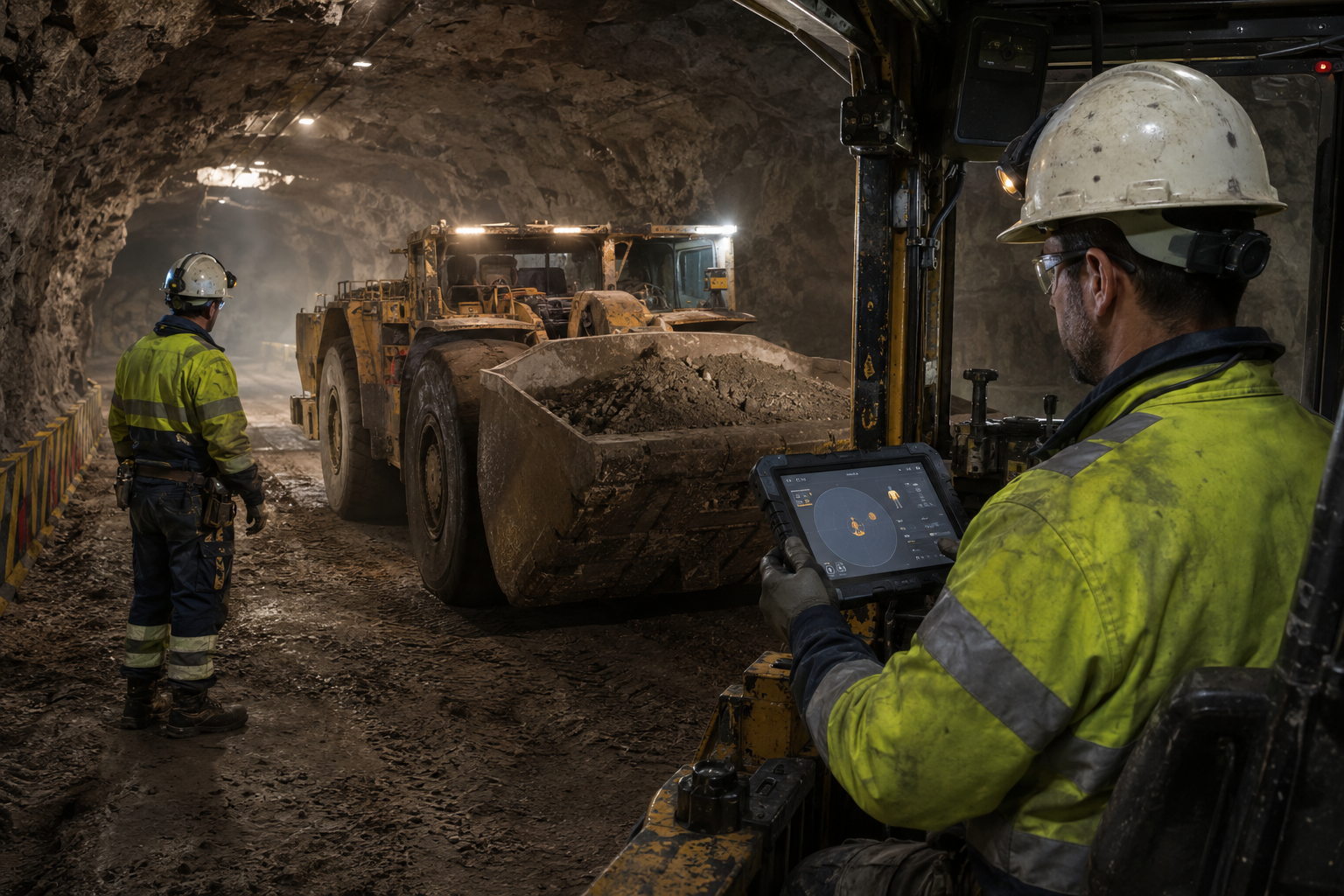


Mining environments involve constant movement of workers, vehicles, and heavy equipment. In underground tunnels, surface haul roads, loading zones, and restricted work areas, even a small visibility gap can create a serious safety risk. This is where proximity detection in mining becomes valuable.
Proximity detection helps mining teams identify when workers, vehicles, or equipment come too close to each other. When designed properly, it supports mine collision prevention by improving awareness, sending timely alerts, and helping safety teams review risk patterns before they turn into repeated incidents.
What Is Proximity Detection in Mining?
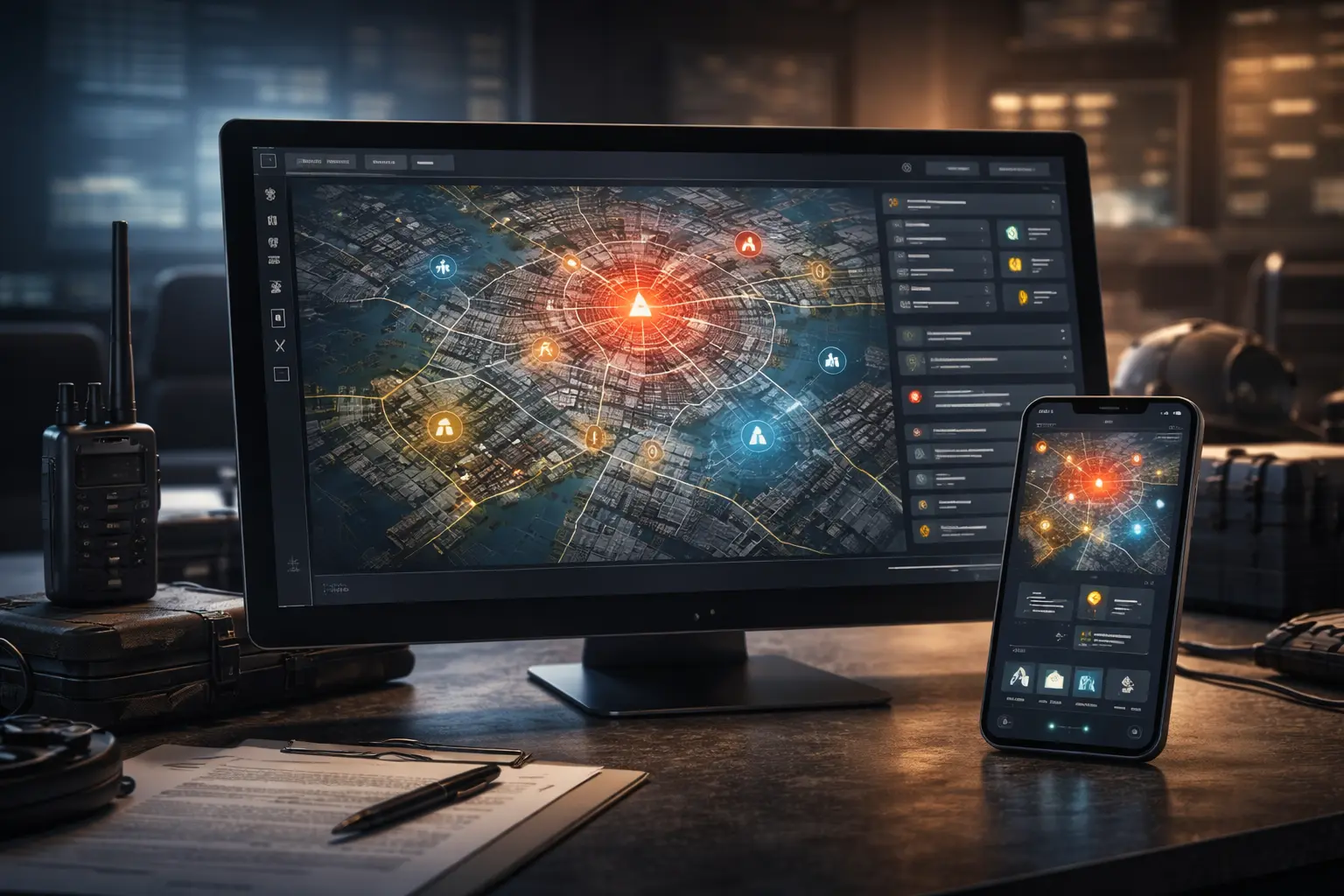
Proximity detection in mining is a safety technology that detects unsafe closeness between people, vehicles, equipment, or restricted zones. A mining proximity detection system usually uses wearable tags, vehicle-mounted devices, sensors, beacons, receivers, and software dashboards to identify when a worker or machine enters a defined risk area.
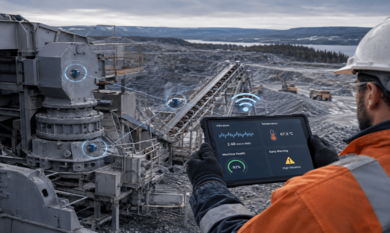
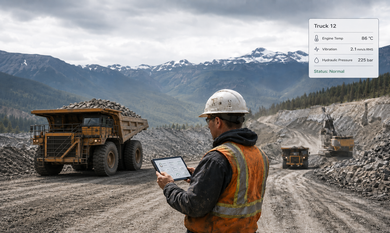
For example, a worker may wear a BLE-enabled tag while working near a loader. If the worker enters a pre-defined danger zone around the loader, the system can trigger an alert for the worker, the operator, or both. This alert gives them time to respond before the situation becomes more dangerous.
The exact setup depends on the mine layout, equipment type, communication network, and safety workflow. Some systems only provide alerts, while more advanced configurations may support equipment intervention when approved and properly integrated. The goal is not to replace safe operating procedures, but to add another layer of awareness around high-risk movement.
Why Collisions Are a Serious Risk in Mine Operations
Mining operations have several conditions that make collision risks difficult to manage with human visibility alone. Workers and operators may follow strict procedures, but the environment itself can create blind spots and communication delays.
Common risk factors include:
- Blind spots around haul trucks, loaders, drills, and utility vehicles
- Dust, darkness, vibration, and noise in active work areas
- Narrow tunnels, ramps, intersections, and loading points
- Workers moving close to mobile equipment
- Multiple vehicles operating in the same production zone
- Limited visibility in underground and surface conditions
- GPS limitations in underground mines
This is why underground mine safety technology is becoming important for many operators. Underground spaces often make real-time visibility harder. GPS may not work reliably, radio communication may face limitations, and operators may not always see workers or smaller equipment around large machines.
For Canadian mines, this issue can be even more complex because operations may be remote, harsh, large-scale, or spread across multiple active zones. A connected approach to mine collision prevention can help teams add more visibility where manual observation is not enough.
How Proximity Detection Helps Prevent Collisions in Mines
A proximity detection system works by identifying unsafe movement patterns and sending alerts before physical contact occurs. According to MSHA, proximity detection and collision warning technology can warn a machine operator or stop machine motion when it detects a person or object in the machine’s path. MSHA also notes that these systems are increasingly used in surface and underground mines to help prevent pinning, crushing, or striking accidents.
A typical process works like this:
- A worker, vehicle, or asset carries a tag, beacon, or detection device.
- A machine-mounted or fixed receiver detects nearby signals.
- The system checks whether the distance or zone entry is unsafe.
- Operators, workers, or supervisors receive audio, visual, vibration, or dashboard alerts.
- Event data is recorded for safety review.
- In advanced systems, equipment slowdown or stopping may be supported, depending on system design, equipment compatibility, and regulatory requirements.
This process helps teams track worker movement near active equipment and understand when people or machines are too close. When integrated with stronger control logic and machine-level response, it can also support a collision avoidance system for mines.
However, it is important to avoid overpromising. Proximity detection helps reduce risk, but it does not guarantee that every incident will be prevented. Its effectiveness depends on correct setup, reliable devices, proper training, clear response workflows, and regular testing.
The Role of BLE and IoT in Proximity Detection
BLE and IoT technologies can play an important role in proximity-based safety systems. BLE proximity detection is especially useful for short-range identification and zone-based awareness. BLE tags and beacons can be used by workers, vehicles, tools, or fixed locations to support proximity alerts and movement visibility.
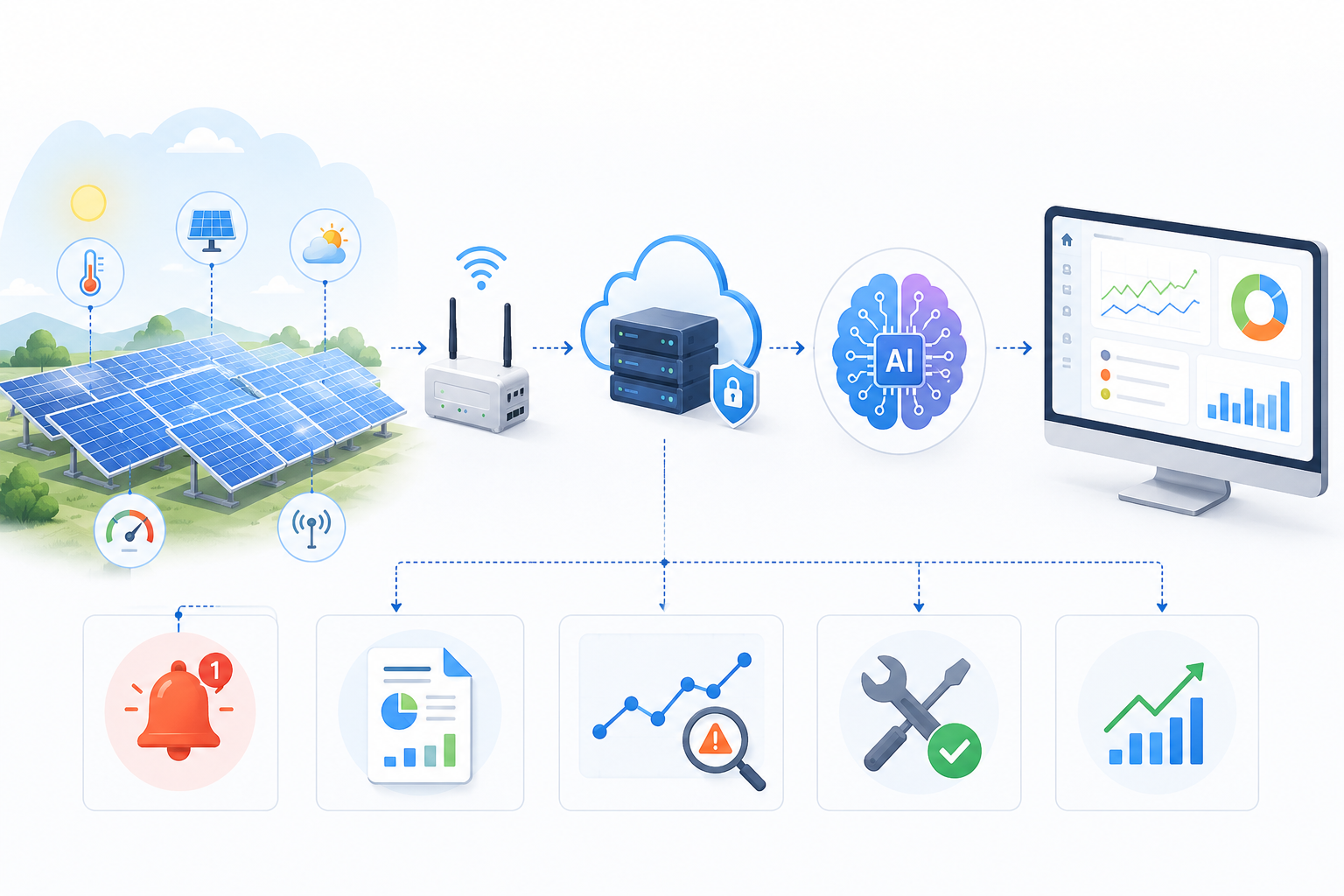
A connected mining safety setup may include:
- BLE tags worn by workers
- BLE beacons installed on vehicles or risk zones
- Vehicle-mounted receivers
- IoT gateways for collecting device signals
- Sensors for movement, location, or equipment status
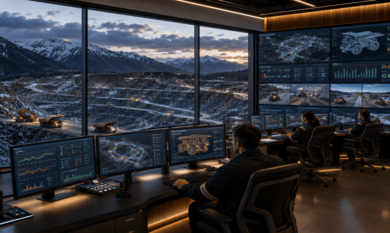
- Cloud or edge dashboards
- Mobile or control-room alerts
- Safety analytics for near-miss review
For mines that need custom tags, beacons, or connected alert workflows, BLE application development in Canada can support proximity-based safety use cases. This is useful when standard systems do not fully match the mine layout, equipment fleet, or reporting requirements.
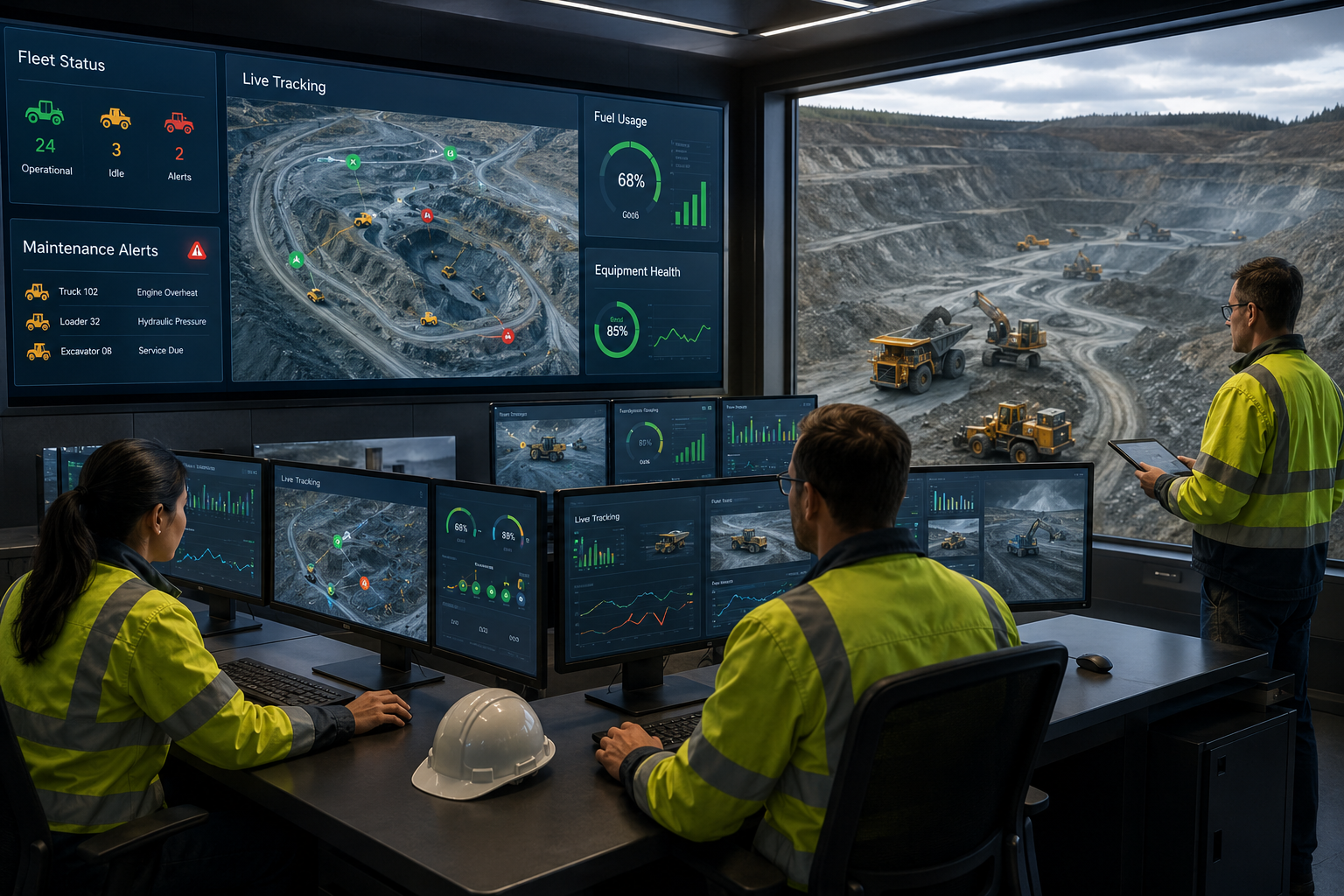
IoT solutions for mining safety help connect these devices into a complete system. Instead of treating alerts as isolated events, IoT platforms can bring data into dashboards, reports, and integrations. This helps safety managers, supervisors, and operations teams view real-time and historical information from one place.
Proximity Detection vs Collision Warning vs Collision Avoidance
These terms are often used together, but they do not always mean the same thing. A clear distinction helps mining companies choose the right system.
A mining proximity detection system may begin with alerts and reporting. A more advanced collision avoidance system for mines may require deeper machine integration, validated safety controls, and careful testing. The right choice depends on the mine’s risk level, equipment types, operating procedures, and compliance needs.
Key Use Cases of Proximity Detection in Canadian Mines
Proximity detection can support several safety use cases across underground and surface mining operations in Canada.
Worker-to-Vehicle Detection
Worker-to-vehicle interaction is one of the most important use cases. Large machines can have blind spots, and workers may be close to active equipment during inspection, maintenance, loading, or production activities.
This use case can support:
- Alerts when workers enter unsafe equipment zones
- Better visibility for operators near heavy machinery
- Event records for safety reviews and training
Vehicle-to-Vehicle Detection
Mines often have multiple vehicles moving across ramps, intersections, haul roads, and loading areas. Proximity systems can help improve awareness when vehicles come too close to each other.
This can support:
- Safer vehicle movement in shared routes
- Better awareness at intersections or blind turns
- Real-time equipment tracking in mining environments
Restricted Zone and Hazard Area Alerts
Some areas in mines may need stricter access control or additional alerts. BLE beacons and IoT sensors can help identify when a worker or vehicle enters a restricted zone.
This is useful for:
- Loading areas
- Maintenance zones
- Explosive storage areas
- High-risk intersections
- Active production zones
By supporting workers and equipment visibility, proximity detection can become part of a broader underground mine safety technology strategy.
Using Proximity Data for Safety Analytics and Better Decisions
Proximity detection is not only about real-time alerts. It can also generate useful safety data. When properly collected and reviewed, proximity data can help mining companies understand where risks are happening repeatedly.
Safety teams may review:
- Near-miss patterns
- High-risk routes
- Frequent alert zones
- Worker-to-vehicle interactions
- Vehicle movement trends
- Shift-wise safety events
- Repeated equipment blind-spot issues
With AI-driven IoT analytics services in Canada, mining teams can organize proximity events into dashboards that help safety leaders review trends and plan improvements.
This does not mean the system can predict every incident. A more realistic goal is to use connected data to support better decisions, improve traffic planning, refine alert zones, and strengthen training programs.
What to Consider Before Implementing a Mining Proximity Detection System
Before implementing a proximity detection solution, mining companies should assess the site, risk level, and technology requirements. A system that works well in one mine may need changes before it works effectively in another.
Key factors to review include:
- Mine layout and traffic routes
- Underground or surface operating conditions
- Equipment types and fleet size
- Worker movement patterns
- Connectivity availability
- BLE, RFID, UWB, radar, or hybrid technology options
- Alert distance and priority levels
- Dashboard and reporting requirements
- Integration with existing systems
- Worker training and adoption
- Testing and maintenance plans
Working with IoT consulting services in Canada can help evaluate the right devices, connectivity model, dashboard architecture, and integration plan before full deployment.
The best approach is usually phased. Start with high-risk zones, test alerts, review user feedback, adjust settings, and then expand the system across more equipment or locations.
Common Challenges and How to Manage Them
Like any safety technology, proximity detection must be implemented carefully. Poor planning can lead to false alerts, missed signals, or low worker adoption.
This balanced view is important. BLE and IoT-based safety systems can be useful, but they need proper engineering, field testing, and worker involvement to deliver practical value.
How BLE and IoT Consulting Supports Safer Mining Operations
BLE and IoT consulting can help mining companies move from a basic safety concept to a workable connected system. Instead of installing devices without a plan, consultants can help define the architecture, data flow, user roles, and alert logic.
A consulting and development partner can support:
- Site and risk assessment
- BLE and IoT architecture planning
- Device and gateway integration
- Dashboard development
- Alert workflow design
- Cloud or edge platform setup
- Data analytics planning
- Testing, rollout, and support
For Canadian mining companies, custom IoT solutions for mining safety can be especially useful when the site has unique operating conditions, mixed equipment, or specific reporting requirements.
Conclusion
Proximity detection in mining helps improve awareness around workers, vehicles, equipment, and restricted zones. It supports collision risk reduction by detecting unsafe closeness, sending timely alerts, and creating useful safety data for future improvement.
For Canadian mines, BLE and IoT can add value by connecting tags, beacons, sensors, gateways, dashboards, and analytics into one safety-focused system. When designed properly, IoT solutions for mining safety can help teams improve visibility, review near-miss trends, and make better operational decisions.
Theta Technolabs supports Web, Mobile, Cloud, BLE, and IoT development for businesses that need custom digital solutions. For mining companies, this can include connected safety platforms, real-time dashboards, mobile alerts, and IoT-based monitoring systems.
Build a Smarter Mine Safety System with BLE and IoT
If your mining business is exploring BLE and IoT-based proximity detection, Theta Technolabs can help you plan and develop a custom solution for your operations. Our team supports Web, Mobile, Cloud, BLE, and IoT consulting for connected safety and monitoring platforms.
To discuss your project, contact us at sales@thetatechnolabs.com.
FAQs
- What is proximity detection in mining?
Proximity detection in mining is a safety system that detects when workers, vehicles, equipment, or restricted zones are too close to each other. It usually uses tags, sensors, receivers, alerts, and dashboards to improve awareness around high-risk areas.
- How does proximity detection help prevent mine collisions?
It helps by detecting unsafe closeness and sending alerts to workers, operators, or supervisors. Some advanced systems may also support machine slowdown or stopping, depending on the configuration, equipment compatibility, and safety requirements.
- Can BLE be used for proximity detection in underground mines?
Yes, BLE can support proximity-based detection and zone awareness in mining environments. However, the system must be designed carefully with proper beacon placement, signal testing, connectivity planning, and field validation.
- Is proximity detection the same as collision avoidance?
No. Proximity detection identifies unsafe closeness. Collision warning sends alerts when risk is detected. Collision avoidance may include advanced intervention, such as machine slowdown or stopping, if the system is designed and approved for that function.
- What data can mining companies collect from proximity detection systems?
Mining companies can collect alert events, high-risk zone data, worker-to-vehicle interactions, equipment movement patterns, repeated near-miss locations, and shift-wise safety trends. This data can support safety reviews and better planning.
- Why should Canadian mines consider BLE and IoT-based safety systems?
Canadian mines may operate in remote, harsh, underground, or large-scale environments where visibility and communication can be difficult. BLE and IoT-based systems can support real-time alerts, connected dashboards, worker tracking, and equipment visibility.