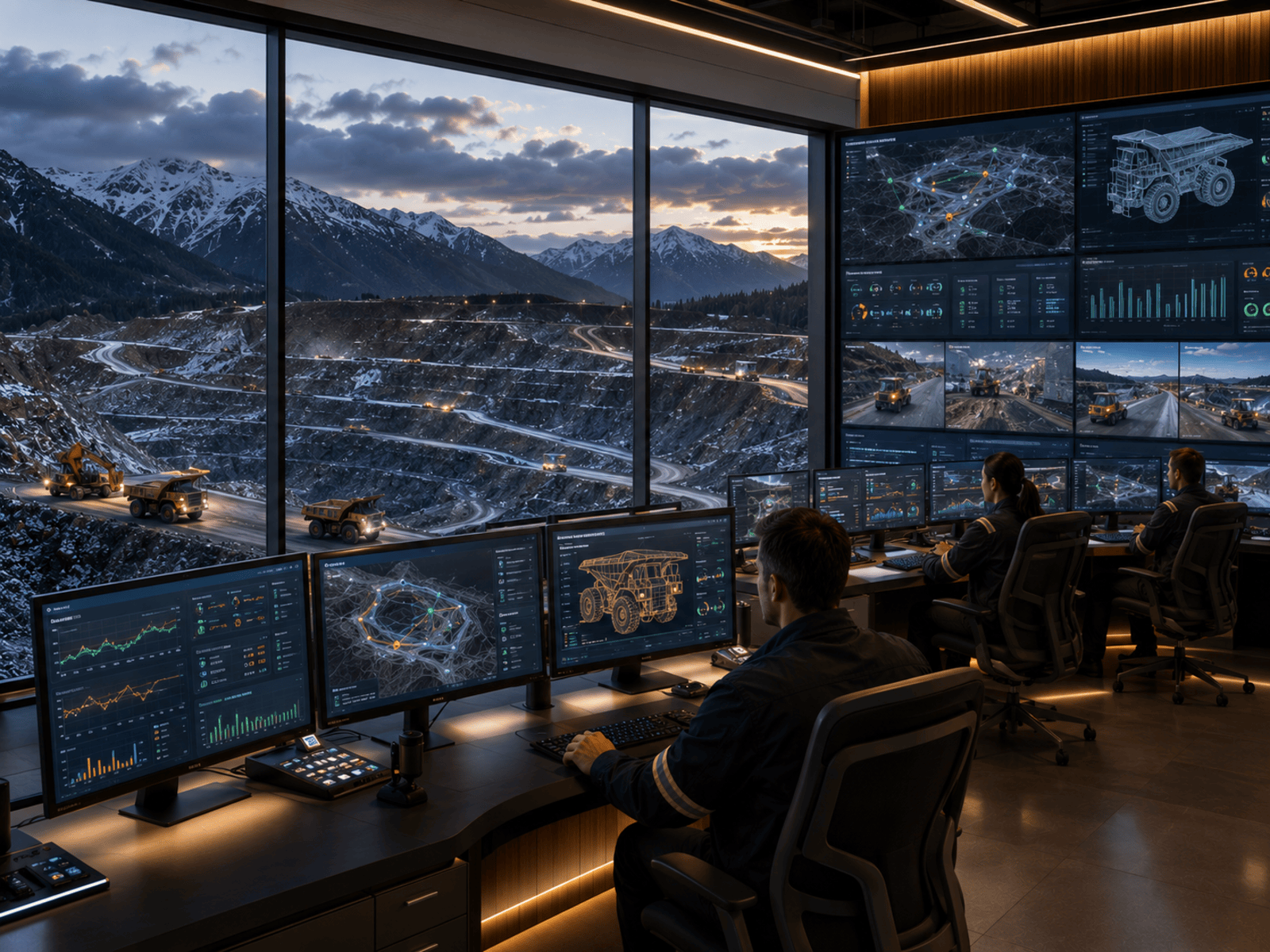


Most mine sites in British Columbia weren't built with convenience in mind. They sit hours from the nearest town, often in terrain that makes daily access expensive and, in winter months, genuinely risky. Getting skilled people to remote locations safely, keeping equipment running when a specialist can't reach it in time, and making decisions fast enough to matter when data is scattered across separate systems, that's the actual problem mining companies in this region are dealing with.
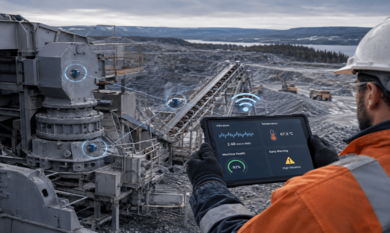
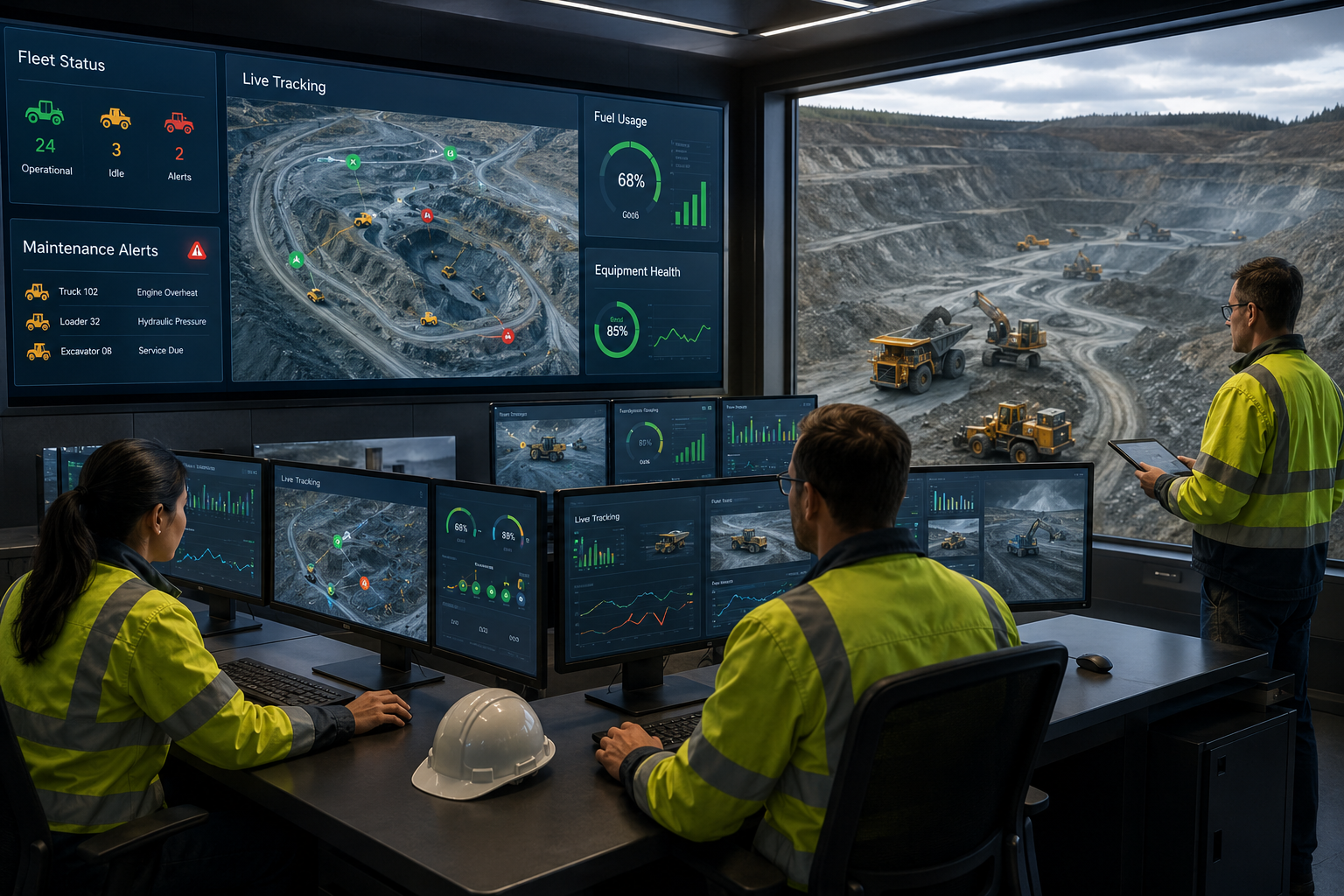
The solution a growing number of operators are turning to is remote operations technology mining teams can run from a centralized location instead of relying entirely on physical presence at the site. It's a combination of connectivity infrastructure, monitoring systems, and AI-assisted tools that shift parts of day-to-day decision-making away from the pit or the underground face.
This guide walks through what that technology actually includes, why mining operations based in Vancouver are moving toward it, what a realistic path to adoption looks like, and the security questions that come with connecting a mine site to the outside world. By the end, you'll have enough grounding to have a real conversation with your team about whether this fits your operation this year or later.
What Remote Operations Technology Actually Means in Mining
The term gets used loosely, so it helps to separate two things people often lump together: remote-monitored operations and autonomous operations.
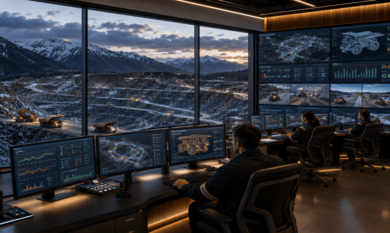
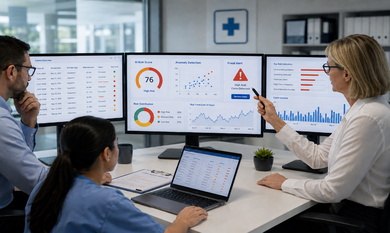
- A remote operations center mining teams set up is typically still human-led. Dispatch decisions, equipment adjustments, and safety responses are made by people, just from a control room fed by SCADA systems, live telemetry, and camera feeds instead of from the equipment itself.
- Autonomous mining technology goes further, letting machines carry out tasks like hauling ore along a fixed route without a human operator actively controlling each cycle.
Most Vancouver-area mining companies exploring this space start with the first model. According to McKinsey's research on remote operating centers in mining, a well-structured center allows companies to bring cross-functional teams together around integrated information systems, changing how end-to-end decisions get made rather than simply where people are physically located. That's the real distinction: a decision-making structure, not just a bank of video feeds.
The Core Technology Stack
Once you get past the marketing language, this technology breaks down into a handful of components that need to work together rather than in isolation.
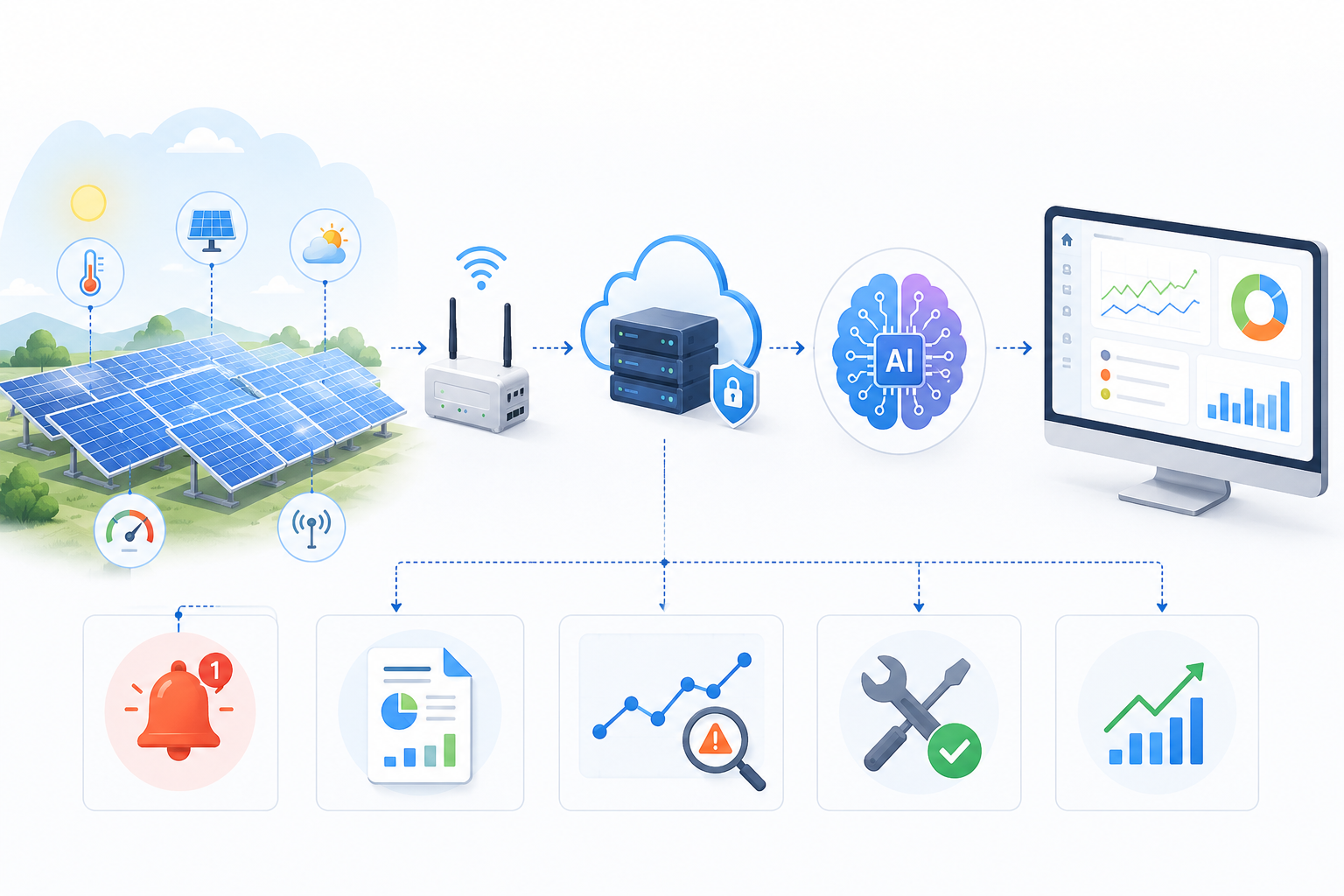
- Connectivity and telemetry. Nothing else on this list works without it. Most sites run a mix of private LTE or 5G networks and hardened SCADA infrastructure pulling data from fixed plant equipment, haul trucks, and environmental sensors. This is the unglamorous layer, and it's also where most projects stall. A connectivity gap in a pit area or underground zone can quietly undermine everything built on top of it.
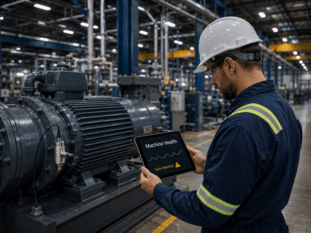
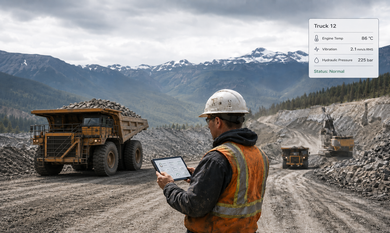
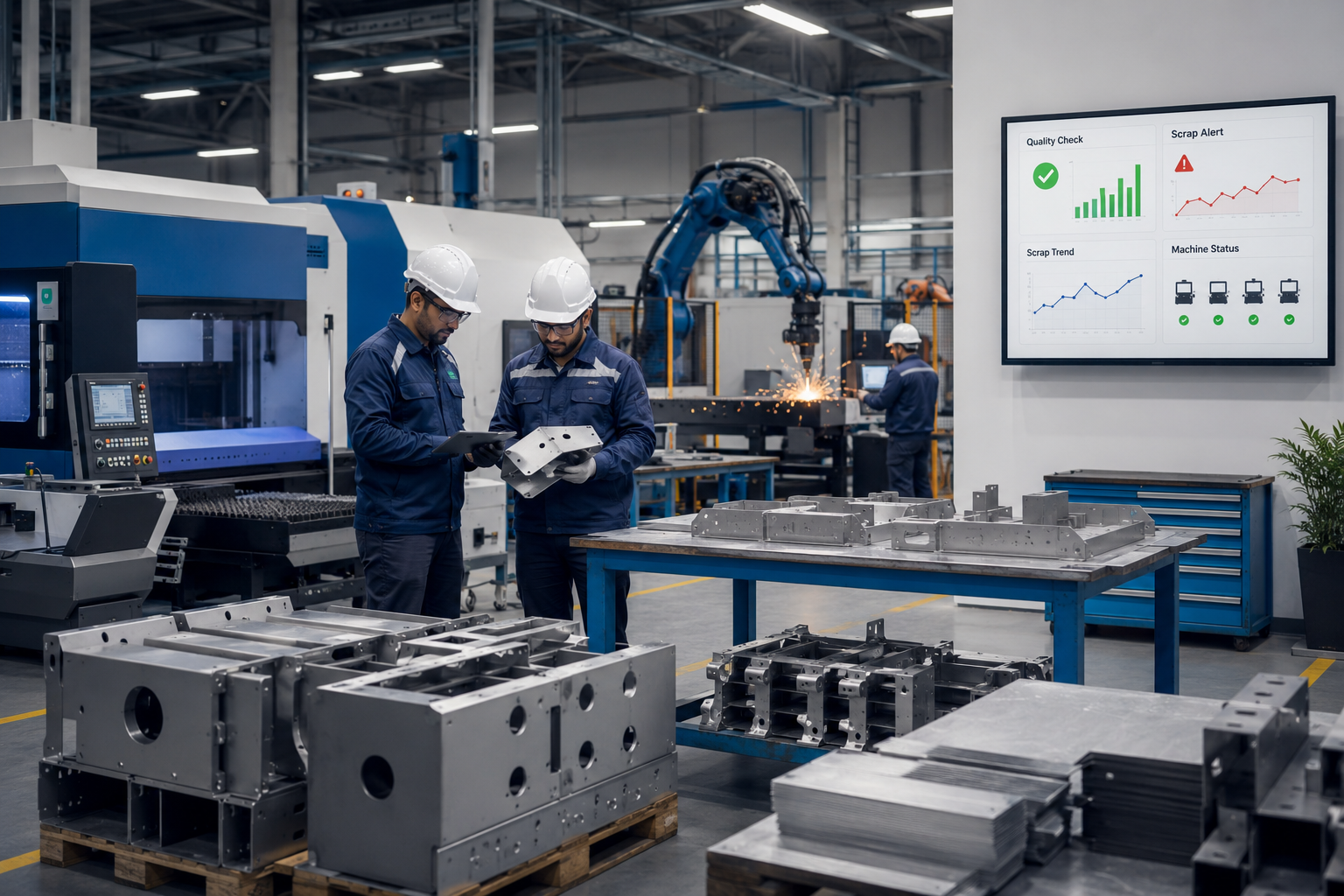
- AI in mining operations for dispatch and maintenance. This is where a lot of the practical value shows up day to day. Models trained on equipment telemetry can flag a haul truck's failing component before it actually breaks down, and dispatch logic can reroute vehicles based on live conditions instead of a fixed schedule. This kind of work sits at the center of our AI-driven mining and predictive analytics solutions, turning raw sensor data into something a control room operator can act on in the moment.
- Digital twin mining operations rely on: a live, data-fed model of the physical site, not a static 3D render. Teams use it to test a route change or a maintenance schedule against actual site conditions before committing to it on the ground.
- IoT and BLE mining solutions for proximity monitoring. Underground sites in particular lean on Bluetooth Low Energy tags and IoT sensors to track worker and vehicle positions in real time, triggering alerts when someone gets too close to moving equipment. We covered this in more depth in our piece on BLE proximity monitoring for underground worker safety, and for many sites it's one of the faster wins available before touching the rest of the stack.
Why This Matters More for Vancouver Mining Operations
Across the mining sector in British Columbia, the pattern is fairly consistent. Companies don't flip a switch and go fully remote overnight. Remote mine monitoring tends to move first. Proximity alerts and equipment status get centralized before anything else, followed by dispatch, and only later by maintenance planning, as each piece proves itself out on its own before the next one gets added.
Why this is happening now, and why it matters for operators still deciding whether to act:
- Site geography makes the old model expensive. British Columbia's mine sites are genuinely remote, and flying or driving specialists in and out for routine monitoring adds up fast across a fiscal year. Centralizing that function directly reduces a recurring cost line.
- Skilled-trades labour is tight across the province. One experienced operator working from a control room can reasonably oversee more of an operation than the same person standing at a single piece of equipment, which matters when hiring for remote sites is already difficult.
- Vancouver sits close to real engineering talent. Unlike operations that need to fly in specialists from Perth or Santiago, companies building these systems for a Vancouver-based mine have local access to the software and AI teams that build and maintain them. That shortens implementation timelines and keeps ongoing support realistic instead of theoretical.
This isn't universal yet, and plenty of operations in the province are still running fully on-site, which is a reasonable call depending on site size and ore type. But the direction among mid-to-large operators in the region is consistent enough that it's worth planning around, even for companies not ready to move this year.
Mine Automation Cybersecurity: The Part Most Guides Skip
Connecting SCADA systems, haul telemetry, and dispatch software to a broader network doesn't just create efficiency. It creates an attack surface that didn't exist when those systems sat physically isolated on-site. This gets surprisingly little attention in most write-ups on this topic, but it deserves a straight answer rather than a footnote.
The practical response for mine automation cybersecurity isn't complicated, but it does take discipline:
- Segment operational technology networks from general enterprise IT systems
- Restrict remote access to named, logged accounts rather than shared credentials
- Build an incident response plan specific to OT systems, rather than relying on the general corporate one
None of this needs to slow down a rollout if it's planned in from the start instead of added on afterward.
The Real Cost Question, and How to Answer It
Cost is the biggest reason mining companies delay projects like this, not because the technology doesn't work, but because it's genuinely hard to justify a large capital outlay against returns that feel uncertain on paper. The fix is usually sequencing, not a bigger budget.
Start with one measurable pilot instead of a site-wide rollout, a single autonomous haulage systems route, or one proximity monitoring zone. That gives you real numbers to work with: downtime reduction, incident frequency, dispatch efficiency. Operations that try to automate an entire site in one phase tend to lose momentum when early results come in mixed. Operations that prove value on one route or one system first tend to get funding for phase two without much friction.
A Practical Path to Getting Started
If you're evaluating this for the first time, a sequence that tends to hold up in practice looks like this:
- Run a site connectivity audit to find out where your network actually has gaps
- Assess honestly which function, monitoring, dispatch, or maintenance, would benefit most from going remote first
- Run a contained pilot on that one function before touching anything else
- Plan a wider rollout based on what the pilot actually showed, not on assumptions made before it started
This is also where mining digital transformation Canada operators are pursuing tends to succeed or stall. Projects that skip the pilot step and try to modernize everything at once are the ones that run into budget and adoption resistance later.
Frequently Asked Questions
What is a remote operations center in mining?
It's a centralized facility where mining companies monitor and manage site operations, dispatch, safety, equipment status, using live data feeds rather than having staff physically present at each piece of equipment or work area.
How is autonomous mining different from remote-monitored mining?
In remote-monitored operations, a person is still making the decisions from a control room. Autonomous systems carry out defined tasks, like hauling along a fixed route, without a person actively operating the machine for each cycle.
What does it cost to implement remote operations technology?
Costs vary widely depending on site size and which systems you start with. Most companies keep initial costs manageable by piloting one system, proximity monitoring or a single haul route, for example, before committing to a site-wide rollout.
Is remote mine operation safer than traditional on-site operation?
It generally reduces how often workers are physically present in high-risk zones, since fewer people need to stand near active equipment or hazardous areas. It doesn't eliminate risk entirely, but it does shift a meaningful amount of it away from people.
How We Approach This
Our AI Development team at Theta Technolabs works with mining operations on the technical pieces covered above: predictive analytics for equipment maintenance, IoT and BLE-based monitoring, and the cloud infrastructure that ties telemetry data into something a dispatch or operations team can actually use day to day. Some of this draws on infrastructure practices from our fintech work as well, real-time data pipelines, secure cloud architecture, and analytics systems built to handle high transaction volumes, since a lot of that same groundwork applies to processing continuous telemetry data from a mine site.
If you're at the stage of figuring out where to start, reach out to us at sales@thetatechnolabs.com.