Chronic diseases often become harder to manage when early risks are missed. For Canadian healthcare organizations, the challenge is not only treating patients after diagnosis, but identifying health risks earlier, improving preventive care, and supporting people before conditions become more complex.
This is where AI-driven population health management becomes useful. It helps healthcare providers analyze patient data at scale, identify high-risk groups, detect care gaps, and support timely interventions. With the right data strategy, AI can help hospitals, clinics, public health teams, and digital health companies move from reactive care to proactive prevention.
In simple terms, AI in chronic disease prevention helps care teams understand which patients may be more likely to develop conditions such as diabetes, hypertension, cardiovascular disease, kidney disease, obesity-related complications, or chronic respiratory illness. For population health management in Canada, this can support better planning, earlier outreach, and more personalized preventive care.
Why Chronic Disease Prevention Needs a Data-Driven Approach
Chronic diseases create long-term pressure on patients, providers, and healthcare systems. Many conditions develop slowly over time, which means early warning signs may already exist in patient data before a serious health event occurs.
The Public Health Agency of Canada supports the Canadian Chronic Disease Surveillance System, which uses provincial and territorial administrative health data to calculate chronic condition incidence and prevalence across Canada. This shows how important structured health data is for understanding chronic disease trends at a population level.
For Canadian healthcare organizations, prevention becomes difficult when data is disconnected across systems. A patient’s history may be spread across EHR platforms, lab systems, pharmacy records, remote monitoring tools, and care notes. Without strong healthcare data analytics, care teams may struggle to identify who needs support first.
Common challenges include:
- Late identification of chronic disease risks
- Fragmented patient data across systems
- Missed screenings and follow-ups
- Limited visibility into high-risk patient groups
- Manual outreach and care coordination gaps
- Overloaded clinical and administrative teams
A data-driven approach helps turn this information into useful insights for earlier action.
What Is AI-Driven Population Health Management?
AI-driven population health management uses artificial intelligence, predictive analytics, and healthcare data to understand health risks across large patient groups. Instead of only looking at one patient at a time, it helps healthcare teams see patterns across communities, clinics, regions, and patient populations.
This approach combines predictive analytics in healthcare, patient segmentation, risk scoring, and care planning. It can help identify patients who may need preventive screenings, lifestyle support, medication review, remote monitoring, or follow-up care.
The goal is not to replace doctors or nurses. The goal is to support clinical teams with earlier insights, better visibility, and more informed decision-making.
How AI Identifies High-Risk Patients Before Conditions Become Severe
AI can analyze large amounts of patient data to detect early patterns that may indicate future health risks. This is especially useful for patient risk prediction, where the system studies clinical, behavioral, and historical data to identify patients who may be more likely to develop chronic conditions.
Healthcare teams can use machine learning for disease risk modeling to detect early risk patterns across chronic diseases. For example, AI may identify a patient with rising glucose levels, missed follow-ups, increased blood pressure readings, and medication gaps. Individually, these signals may look small. Together, they may show a higher risk profile.
AI can study signals such as:
- Lab results
- Blood pressure trends
- Glucose levels
- Age and medical history
- Medication patterns
- Missed appointments
- Hospital visit history
- Lifestyle risk factors
- Social determinants of health
- Remote monitoring data
With predictive analytics in healthcare, these signals can be converted into risk scores that help care teams prioritize outreach. However, AI outputs should always be reviewed with clinical judgment, especially in high-risk or sensitive cases.
Key Healthcare Data Sources Used in Population Health AI
The value of AI depends on data quality, secure access, and proper integration. AI models need reliable and well-structured information to support accurate insights.

Canada’s Canadian Chronic Disease Indicators are a pan-Canadian resource that includes chronic disease burden, determinants, demographic breakdowns, socioeconomic variables, and time trends. This type of structured data supports better understanding of chronic disease risks and population-level health planning.
For AI-driven population health management, the most important factor is not just having data, but connecting it in a secure and useful way.
Practical AI Use Cases for Chronic Disease Prevention
AI can support several chronic disease prevention use cases in Canadian healthcare. The focus should be practical, not futuristic. The aim is to help care teams act earlier and make prevention more targeted.
Diabetes Risk Prediction
AI can identify patients who may be at risk of diabetes by analyzing glucose trends, BMI, family history, lifestyle indicators, medication patterns, and missed screenings. This can help care teams recommend earlier testing, lifestyle support, and follow-up care.
Hypertension and Heart Disease Prevention
AI can track blood pressure patterns, cardiovascular risk factors, medication gaps, and previous visit history. In chronic disease prevention, AI can help providers identify patients who need closer monitoring before serious complications occur.
Kidney Disease Risk Alerts
Patients with diabetes, hypertension, or abnormal lab trends may face higher kidney disease risk. AI can help detect these patterns earlier and support timely intervention.
Respiratory Disease Monitoring
For patients with asthma, COPD, or recurring respiratory issues, AI can help identify changes in symptoms, medication usage, hospital visits, or remote monitoring data.
Missed Screening Detection
AI can support chronic disease management software by identifying patients who missed preventive screenings, lab tests, or follow-up appointments. It can also support remote patient monitoring for chronic diseases by helping care teams track high-risk patients between visits.
These use cases depend on implementation quality, data accuracy, clinical validation, and workflow adoption. AI can support prevention, but it should not be treated as a standalone medical decision-maker.
Example: How AI Can Support Preventive Care in a Clinic Network
A clinic network managing patients with diabetes, hypertension, and heart disease risk may have patient data spread across EHR records, lab reports, pharmacy data, and appointment history. AI can help connect these data points and highlight patients who may need earlier follow-up.
For example, the system may flag patients with rising glucose levels, missed lab tests, repeated high blood pressure readings, or medication gaps. Care teams can then use dashboard alerts to prioritize outreach, schedule follow-ups, and recommend preventive care actions.
This type of workflow does not replace clinical decision-making. It helps care teams find risk patterns sooner and use their time more effectively.
Role of AI Healthcare Dashboards in Population Health Management
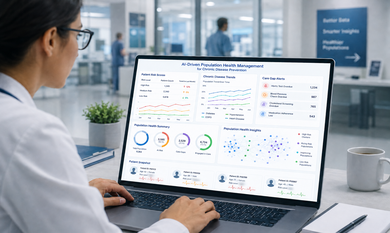
An AI healthcare dashboard can make population health insights easier to understand and act on. Instead of manually reviewing disconnected reports, care teams can use dashboards to see patient risk, disease trends, and care gaps in one place.
A practical dashboard may include:
- High-risk patient lists
- Chronic disease trend reports
- Care gap alerts
- Missed screening reminders
- Follow-up tracking
- Readmission risk indicators
- Regional or clinic-level health patterns
- Intervention performance reports
For healthcare leaders, dashboards can also support planning. They can show where preventive programs are working, where resources are needed, and which patient groups require more support.
How AI Supports Personalized Preventive Care Plans
AI does not only identify risk. It can also help care teams create more personalized preventive care plans.
For example, a patient with early signs of diabetes risk may need lifestyle coaching, lab testing, nutrition guidance, and regular follow-ups. Another patient with heart disease risk may need blood pressure monitoring, medication adherence support, and specialist referral.
AI can support personalized care through:
- Screening reminders
- Follow-up schedules
- Lifestyle support recommendations
- Medication adherence alerts
- Care team notifications
- Remote monitoring plans
- Patient engagement messages
The final care plan should remain under clinical supervision. AI should help healthcare professionals make more informed decisions, not remove human judgment from care delivery.
Responsible AI, Privacy, and Compliance in Canadian Healthcare
Healthcare AI must be designed with privacy, safety, fairness, and transparency in mind. This is especially important when working with sensitive patient data.
Health Canada’s Pan-Canadian AI for Health Guiding Principles outline shared values for responsible and ethical AI adoption across Canada’s health systems. These principles are highly relevant for healthcare organizations planning AI implementation.
For chronic disease prevention, responsible AI should include:
- Explainable AI outputs
- Secure healthcare data handling
- Role-based access controls
- Encrypted data storage and transfer
- Audit logs
- Bias monitoring
- Human review for sensitive decisions
- Model validation before deployment
- Ongoing performance monitoring
AI systems should also be explainable enough for clinical teams to understand why a patient was flagged as high risk. This helps build trust and supports safer adoption.
Benefits for Canadian Healthcare Organizations
For Canadian healthcare providers and digital health companies, AI can support better prevention and stronger population-level visibility.
Key benefits include:
- Earlier identification of high-risk patients
- Better preventive care planning
- Improved care coordination
- Reduced avoidable care escalation
- Stronger patient engagement
- Better resource planning
- More efficient outreach programs
- Clearer population health reporting
Organizations planning custom healthcare software development in Canada can use AI-powered platforms to connect patient data, dashboards, and preventive care workflows. This can help healthcare teams move from delayed reporting to more proactive care management.
Implementation Roadmap: How to Build an AI-Driven Population Health Solution
Healthcare organizations exploring AI healthcare solutions in Canada should begin with a clear roadmap. Successful implementation depends on both technology and clinical workflow alignment.
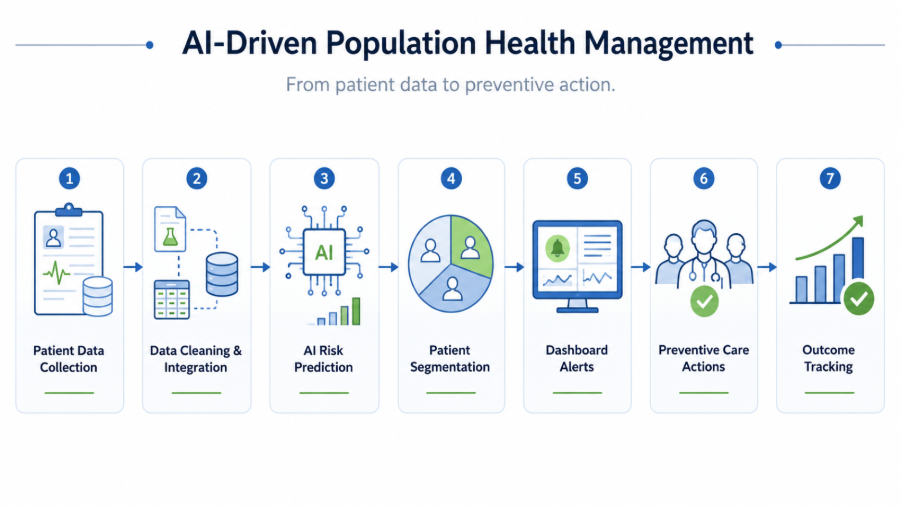
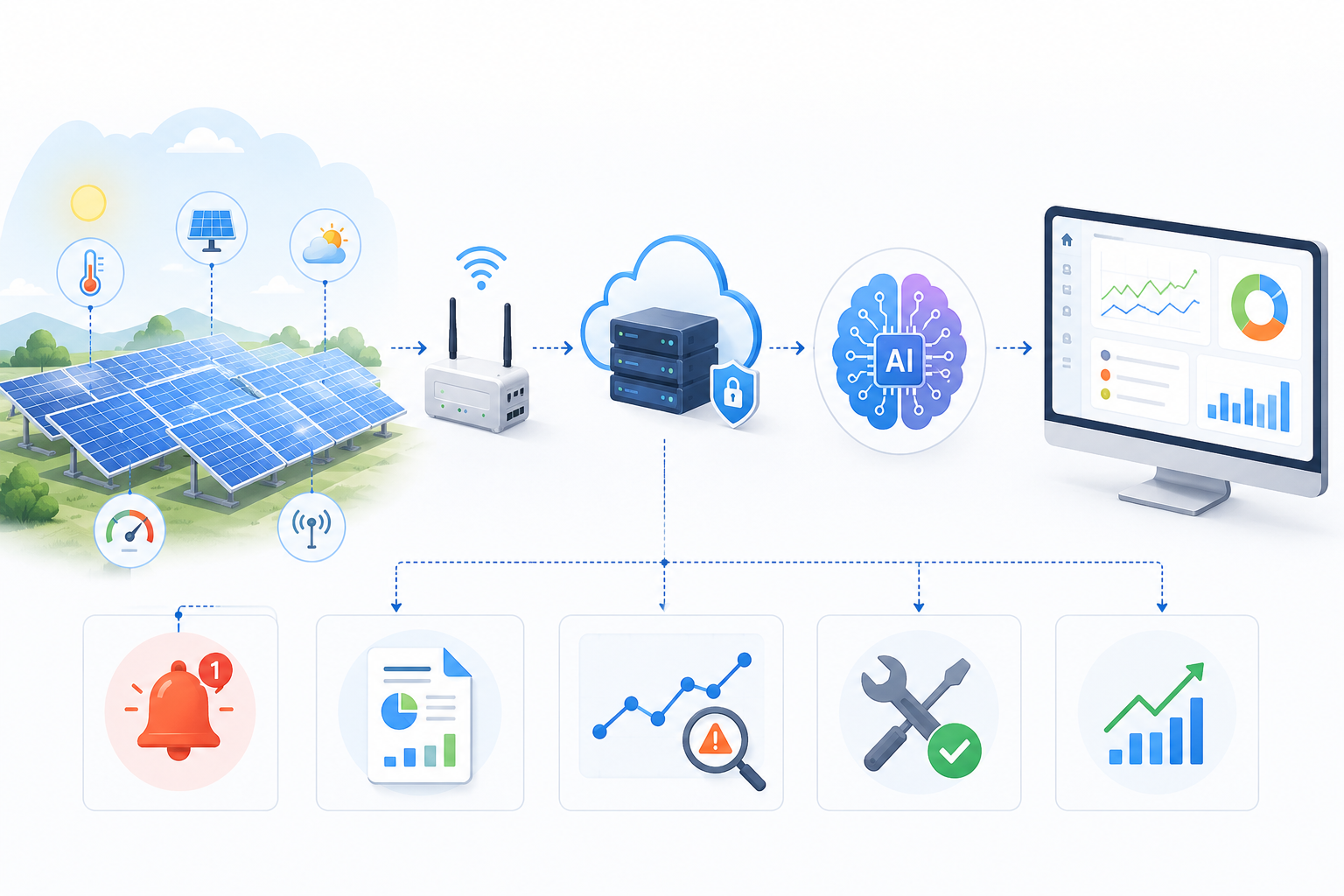
Figure: AI-driven population health workflow, from patient data collection to risk prediction, dashboard alerts, preventive care actions, and outcome tracking.
This workflow shows how healthcare organizations can move from scattered patient data to early risk detection, timely alerts, and better preventive care planning.
A practical roadmap includes:
- Patient data collection
- Data cleaning and integration
- AI risk prediction
- Patient segmentation
- Dashboard alerts
- Preventive care actions
- Outcome tracking
This roadmap helps reduce risk and ensures AI is built around real healthcare needs. It also helps teams avoid building tools that look advanced but do not fit daily clinical workflows.
Challenges to Consider Before AI Adoption
AI adoption in healthcare also comes with challenges. These should be addressed early.
Common challenges include:
- Fragmented healthcare data
- Poor data quality
- Legacy system integration
- Privacy and security concerns
- Model bias
- Limited clinician trust
- Workflow disruption
- Lack of long-term monitoring
These challenges do not mean healthcare organizations should avoid AI. They mean implementation should be careful, secure, and guided by both technical and clinical expertise.
Technology Support for Chronic Disease Prevention
Theta Technolabs can help healthcare organizations build AI-powered solutions that make patient data easier to understand and use. For this blog topic, this can include patient risk prediction models, population health dashboards, chronic disease monitoring systems, remote patient tracking tools, and healthcare data integration platforms.
These solutions can support care teams in identifying high-risk patients earlier, tracking care gaps, improving preventive care planning, and making better decisions from connected healthcare data. The main goal is to build practical AI systems that fit real healthcare workflows and support better chronic disease prevention.
Conclusion
Chronic disease prevention becomes more effective when healthcare teams can identify risks early and act before conditions become serious. AI-driven population health management supports this by using patient data, predictive insights, and care gap alerts to help providers understand which patients may need attention sooner.
For population health management in Canada, AI can make preventive care more organized, data-driven, and personalized. It can support better monitoring, earlier outreach, and improved decision-making across large patient groups, while keeping clinical teams at the center of care.
Ready to Improve Preventive Care
Looking to build AI-powered population health solutions for chronic disease prevention?
Theta Technolabs can help healthcare organizations, digital health companies, clinics, and care platforms build predictive analytics systems, healthcare dashboards, remote monitoring tools, and secure AI-enabled applications.
To discuss your healthcare AI project, contact sales@thetatechnolabs.com.
Frequently Asked Questions
1. What is AI-driven population health management?
This approach uses AI, healthcare data, and predictive analytics to identify health risks across patient groups. It helps healthcare organizations detect high-risk patients, track care gaps, and support preventive care planning before chronic conditions become more serious.
2. How does AI help prevent chronic diseases?
AI helps prevent chronic diseases by analyzing patient data for early warning signs. It can support risk scoring, screening reminders, remote monitoring, patient segmentation, and personalized care planning. This helps healthcare teams act earlier and focus attention on patients who need support most.
3. Is AI safe for healthcare data in Canada?
AI can be used safely when healthcare organizations follow strong privacy, security, and governance practices. This includes encrypted data handling, role-based access, audit logs, bias monitoring, explainable outputs, clinical validation, and human oversight for sensitive healthcare decisions.