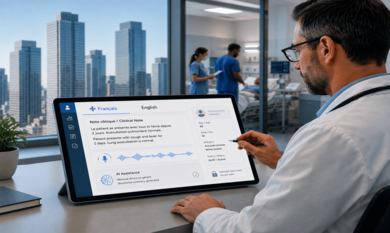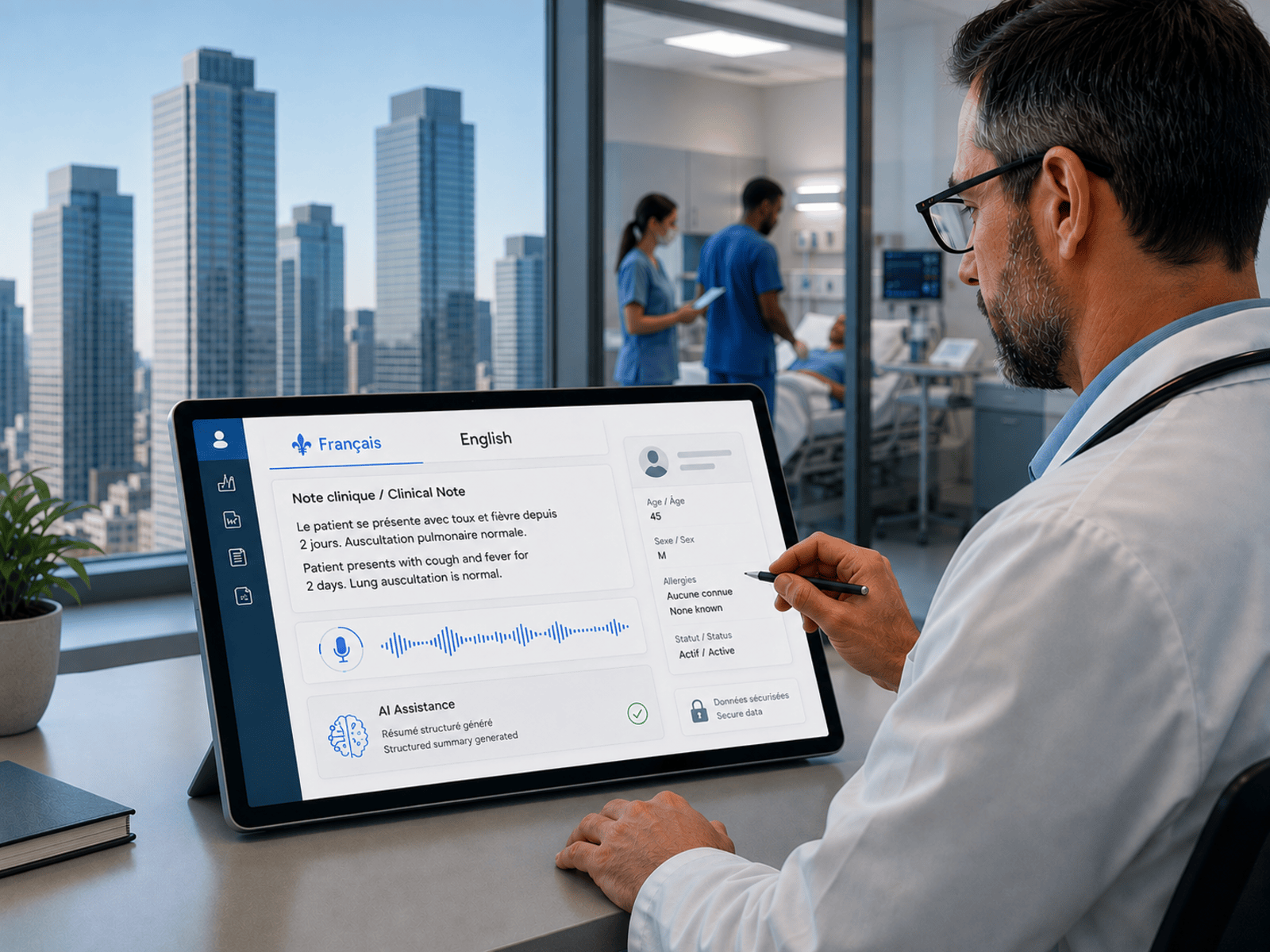


Documentation is quietly one of the heaviest burdens in modern hospital care, and in a bilingual city like Montreal, it carries an extra layer of complexity. Clinicians aren't just recording what happened during a visit, they're doing it while moving between French and English, sometimes within the same sentence, and then translating that into a structured chart note that has to hold up for audits, billing, and continuity of care. This is where bilingual clinical documentation AI has started to play a genuine role, not as a replacement for clinical judgment, but as a way to remove the transcription-and-translation load that eats into time clinicians would rather spend with patients.
By the end of this blog, you'll understand why generic dictation tools tend to struggle in Quebec's clinical environment, what a properly built multilingual documentation system actually does under the hood, what Loi 25 and data governance mean for hospital IT teams evaluating these tools, and what a realistic rollout looks like for a hospital considering this shift.
Why Generic Speech Recognition Falls Short in Montreal
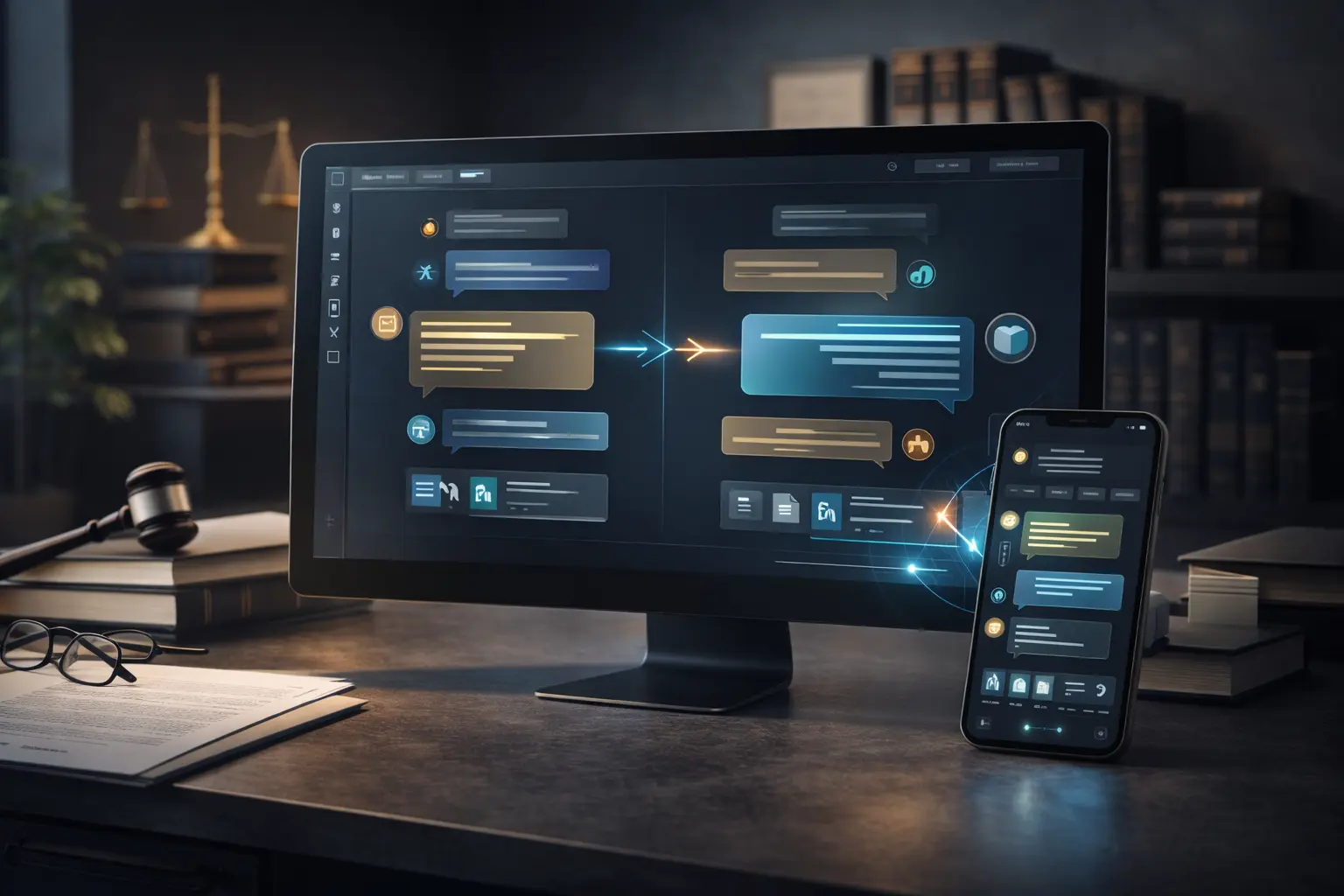
Most off-the-shelf medical dictation tools were built around a single-language, single-accent assumption, usually American English. Bring that into a Montreal clinic and the limitations show up quickly. Patients code-switch mid-conversation, a question asked in English might get answered in French, and generic models often either garble that shift or quietly drop the parts they can't parse with confidence.
There's a terminology gap too. Québécois French isn't identical to the French spoken in France, and clinical vocabulary carries its own regional habits, abbreviations, and informal symptom descriptions that a model trained on European French data won't reliably catch. An AI medical scribe Quebec teams can trust needs to be tuned for this specific linguistic reality, not adapted after the fact from a tool built for a different market.
What a Properly Built Multilingual Scribe Actually Does
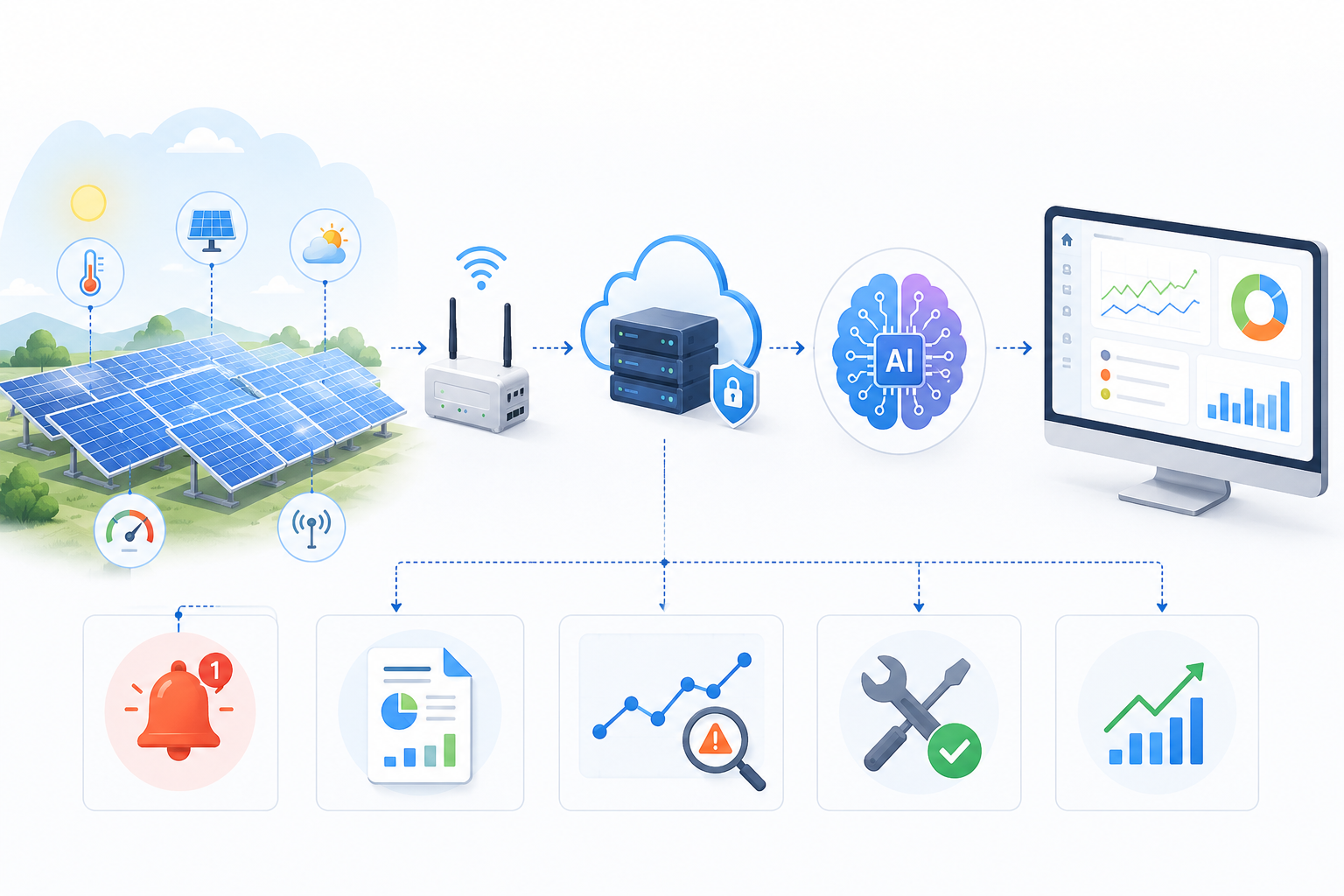
The phrase "supports French and English" can mean very different things depending on the underlying architecture. A well-designed system generally handles this in three parts:
- Language detection — identifying what language is being spoken, sentence by sentence where needed, rather than assuming the entire encounter happens in one language.
- Bilingual clinical interpretation — a language model trained specifically on medical vocabulary in both French and English, understanding context rather than transcribing word for word.
- Preferred-language note generation — producing the structured chart note in whichever language the clinician's workflow requires, regardless of which language the patient spoke in.
This is what separates genuinely useful AI clinical documentation tools from surface-level transcription apps. Built properly, through dedicated LLM and language model development rather than a generic off-the-shelf product, these systems can integrate with the structured fields already inside a hospital's EHR instead of dumping a block of unstructured text for staff to clean up later. That distinction tends to be what determines whether clinicians keep using a tool past the pilot phase.
What the Evidence Actually Shows
It's worth being direct here: results vary by hospital, department, and how well a tool is integrated, and no serious vendor should be promising universal, guaranteed time savings. But real adoption in Quebec is already underway. CBC News reported on a Montreal family physician who has used an AI scribe tool for the past year, saving two to three hours of paperwork daily and seeing up to three more patients a day as a result. Santé Québec, the Crown corporation overseeing the province's health system, is now planning a pilot project to evaluate expanding these tools more broadly. That kind of frontline adoption tends to be a more honest signal than any vendor's internal ROI claims.
Loi 25, Data Residency, and Integration Realities
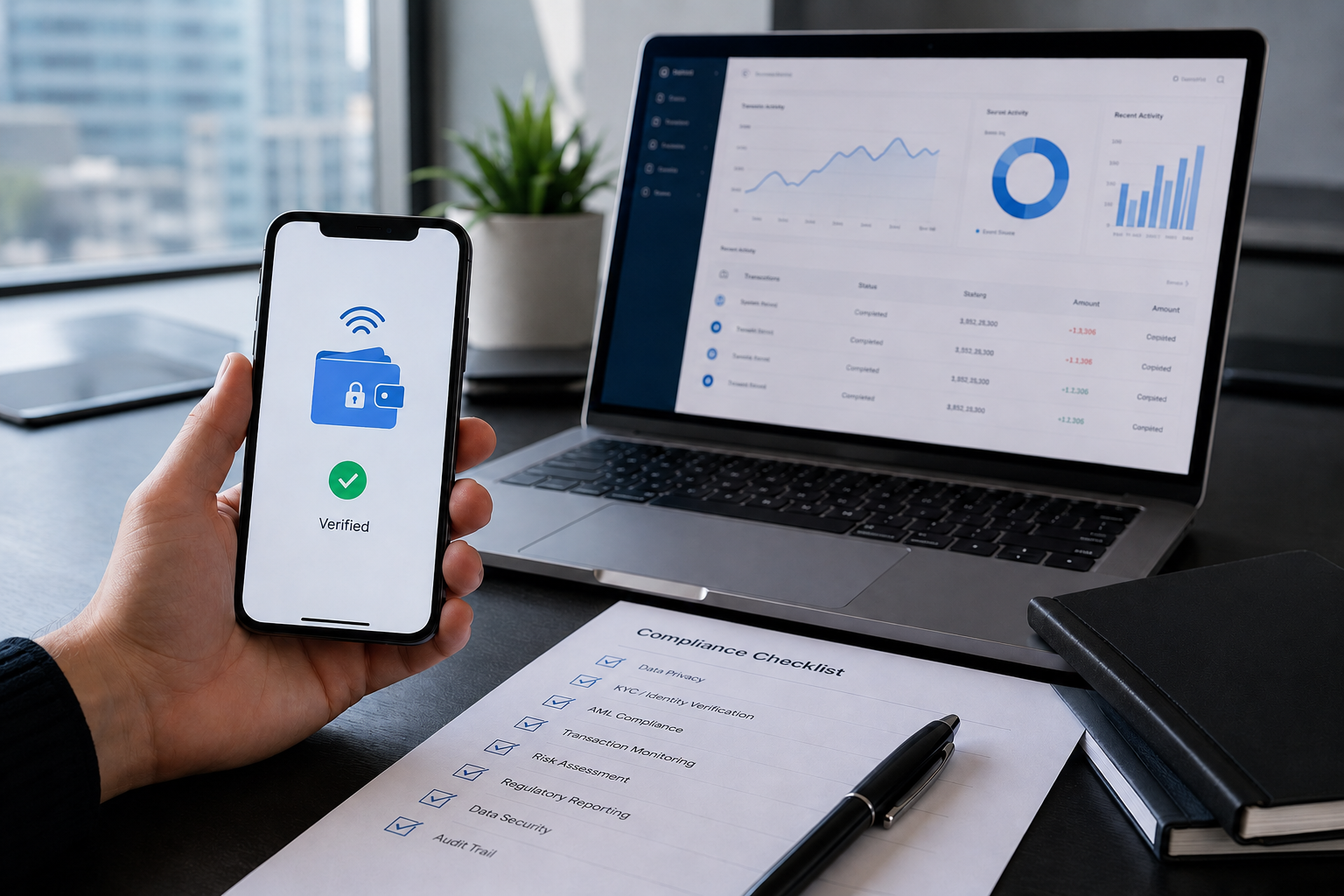
For Quebec hospitals, compliance isn't a side conversation, it shapes the entire technical decision from the start. Loi 25 sets firm requirements around consent, data minimization, and where personal health information can be processed and stored, and this has direct architectural consequences for any documentation tool under evaluation.
A few things hospital IT and privacy teams typically need to confirm before moving forward:
- Whether patient conversations are processed on Canadian-hosted or on-premises infrastructure, since cloud routing through servers outside the country creates compliance exposure many privacy officers won't accept.
- Whether the tool supports HL7 and FHIR integration with the EMR systems already running in the hospital, rather than a generic connector built around a different regulatory market.
- Whether consent handling is built into the workflow itself, not bolted on as an afterthought.
This is part of what separates digital healthcare solutions designed around Canadian regulatory requirements from tools originally built for the US market and adjusted for compliance later.
A Realistic Rollout Path for CMIOs and Hospital IT Teams
Hospitals that see the most success with this technology tend to follow a similar sequence rather than attempting a full rollout on day one:
- Start with a single pilot unit or department that sees a high volume of bilingual encounters, so the tool gets tested under real conditions rather than best-case ones.
- Run EHR integration testing alongside a short clinician feedback loop, since adoption issues tend to surface within the first couple of weeks or not at all.
- Complete governance and privacy sign-off before expanding beyond the pilot, not after.
- Scale to additional departments only once documentation accuracy and clinician trust have both held steady.
Skipping the governance step in particular is one of the more common reasons bilingual AI pilots stall before reaching a hospital-wide rollout.
Where This Is Headed
The next phase of this technology likely isn't about expanding vocabulary lists, it's about tighter integration into the broader clinical workflow. Over time, expect closer alignment with Loi 25-native consent tracking, gradual expansion into specialty-specific terminology beyond general primary care, and early movement toward lightweight clinical decision support layered on top of documentation, though that path is understandably slower and more heavily regulated. None of this replaces clinical judgment. It continues to chip away at the administrative layer that sits between clinicians and the patients in front of them.
Bringing This Into Your Hospital
For Montreal hospitals weighing this decision, the real question isn't whether a tool can transcribe a conversation, most can do that now. It's whether it understands Québécois French clinical terminology, is built around Loi 25 rather than adapted to it, and connects cleanly with the EHR your teams already rely on.
At Theta Technolabs, we build healthcare AI development Montreal hospitals can work with directly, including bilingual clinical documentation systems developed around a hospital's specific compliance and workflow needs rather than adapted from a generic product. A typical build draws on a fine-tuned LLM pipeline for bilingual medical language, HL7/FHIR integration for EMR connectivity, and Canadian cloud or on-premises hosting depending on data governance requirements. If your team is exploring what this could look like in practice, you can reach us at sales@thetatechnolabs.com.
Frequently Asked Questions
Can AI documentation tools handle French and English in the same patient visit?
Yes, when the system includes a proper language-detection layer. It can follow a conversation that shifts between French and English and still produce a coherent, structured note in the clinician's preferred documentation language.
Is AI clinical documentation compliant with Quebec's Loi 25?
It can be, but only when the architecture is built for it from the start, meaning Canadian or on-premises hosting, proper consent handling, and no routing of patient conversations through non-compliant external servers.
How much time can hospitals save with AI-assisted bilingual charting?
Results depend on department, encounter volume, and integration quality. Documented implementations, including on-premises bilingual LLM projects, show real reductions in after-hours charting time when the tool is properly built into existing workflows, though outcomes aren't uniform across every setting.
Does bilingual AI documentation integrate with existing Quebec EHR systems?
It should, through HL7 and FHIR-compatible integration designed specifically for the EMR platforms used across Quebec hospitals, rather than a generic connector built around a different market's systems.