

Many hospitals depend on software that still performs its core functions but becomes difficult to modify when requirements change. Adding a report, updating a dashboard, connecting a mobile app, or adjusting an approval workflow may require significant time because the underlying architecture is tightly coupled or based on outdated technology.
A complete rebuild is not always necessary. Hospitals can retain dependable components while selectively improving the architecture, interfaces, integrations, and infrastructure. Experienced Software development services in Canada can assess the existing platform and identify which enhancements can be introduced without interrupting essential workflows.
Why Do Small Software Changes Become Expensive?
Legacy hospital software often contains years of custom logic, integrations, and department-specific workflows. A simple scheduling change may affect billing, patient records, notifications, reporting, and user permissions.
Modification becomes difficult when the system has:
- Tightly connected modules
- Unsupported frameworks or databases
- Incomplete technical documentation
- Limited automated testing
- Direct database dependencies
- Manual data transfers
- Inconsistent access controls
- Proprietary third-party integrations
Replacing the complete platform may introduce data migration challenges, retraining requirements, and operational risk. The better starting point is determining what still works and what specifically prevents the software from supporting current business needs.
Assess the Existing Application Before Changing It
Modernization should begin with a technical and workflow assessment. This involves reviewing the current software architecture, source code, databases, infrastructure, APIs, user roles, security controls, and connected applications.
A development team can then classify each component as retain, integrate, refactor, replatform, rebuild, replace, or retire. This allows the organization to focus its budget on areas that create measurable improvement.
Organizations evaluating Software development services in Canada should also define what they want to achieve. The objective may be a faster dashboard, a mobile interface, easier report creation, Cloud scalability, workflow automation, or integration with another healthcare platform.
Enhance Existing Dashboards and Applications
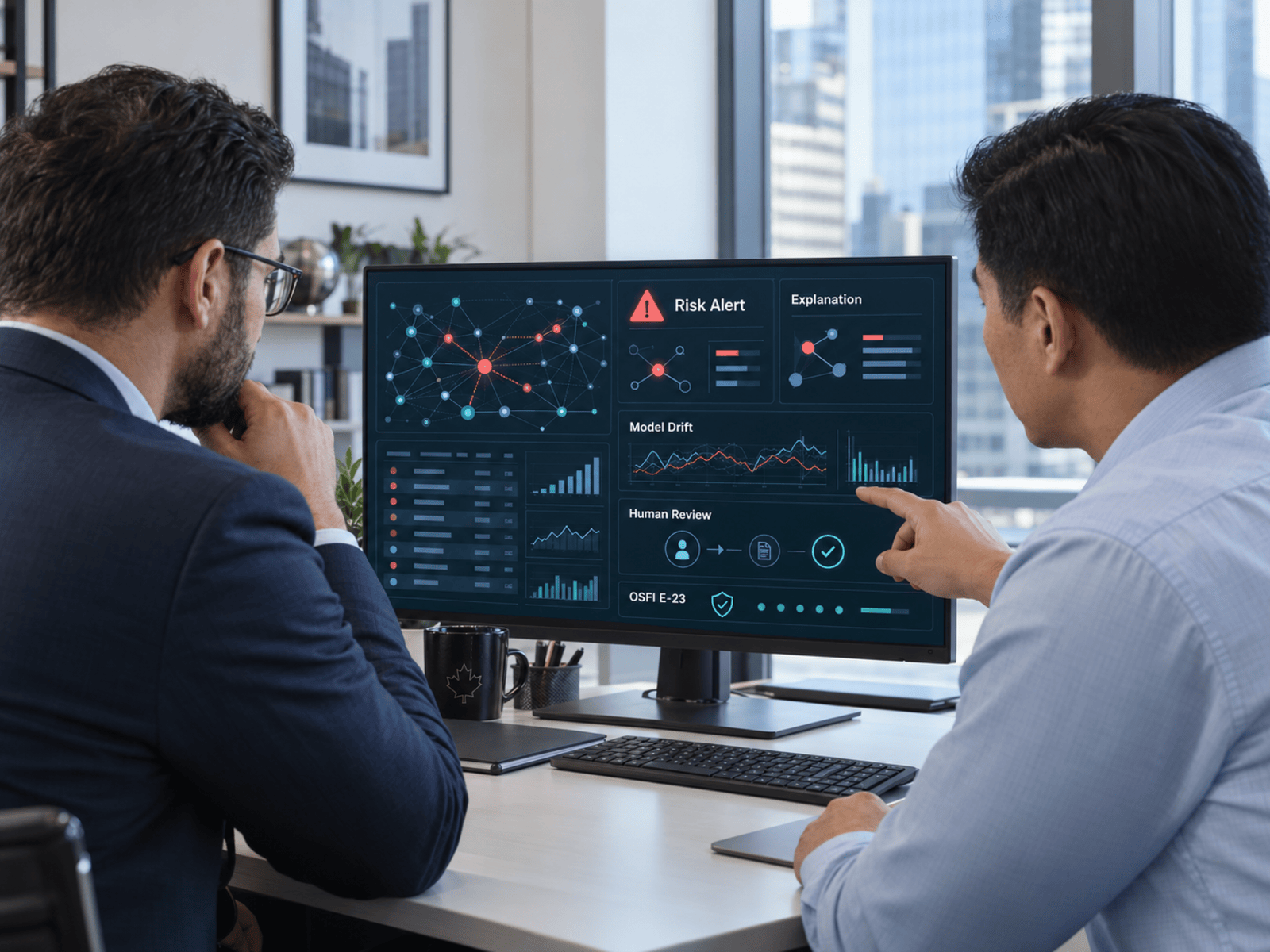
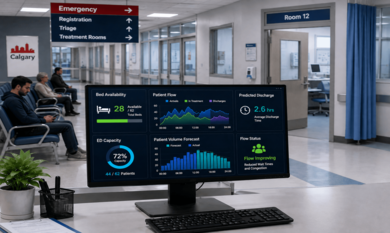
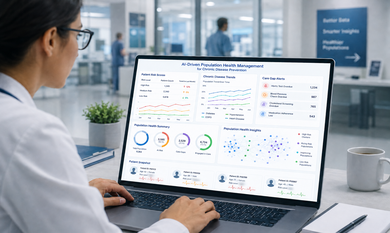
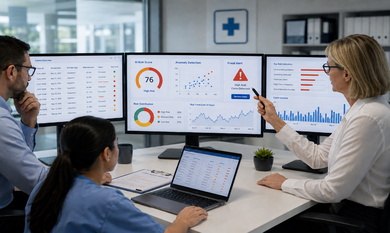
A hospital may not need a completely new system when its primary problem is an outdated interface or limited reporting capability. A modern Web dashboard can be developed above the current software to provide clearer information without changing the system of record.
Possible enhancements include:
- Role-based operational dashboards
- Configurable reports and filters
- Appointment and queue visibility
- Bed and resource monitoring
- Billing and claims status tracking
- Secure patient communication
- Staff task-management tools
- Mobile access for approved workflows
- Centralized alerts and notifications
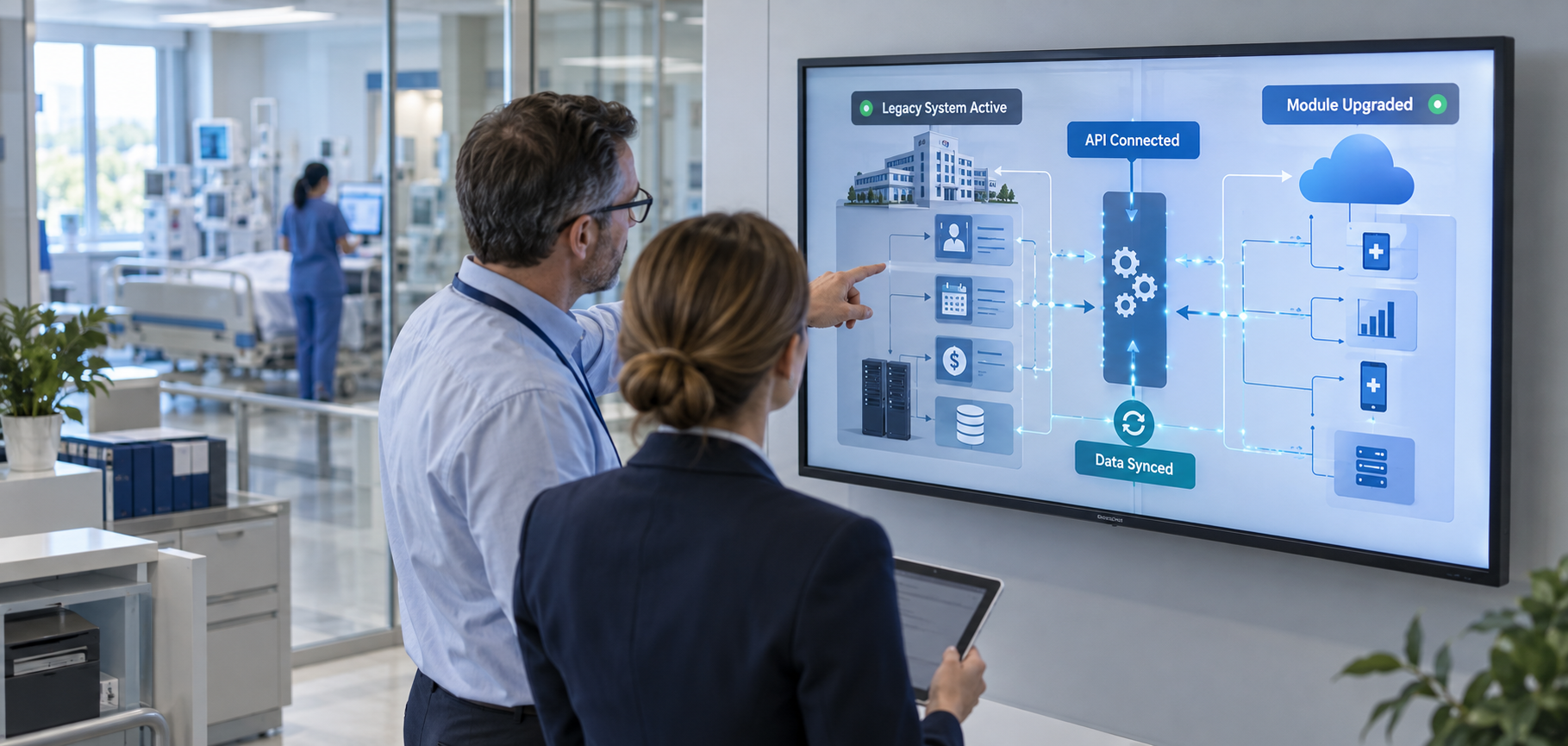
An experienced healthcare software development company Canada can connect these features with the existing software through controlled APIs or integration services. This approach allows hospitals to improve the user experience while preserving valuable data and business logic.
Add an API and Integration Layer
Older systems may not have been designed to communicate with patient portals, mobile applications, analytics tools, laboratories, billing platforms, or external healthcare services.
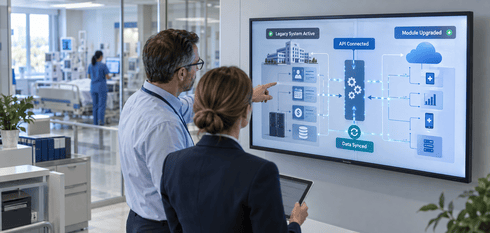
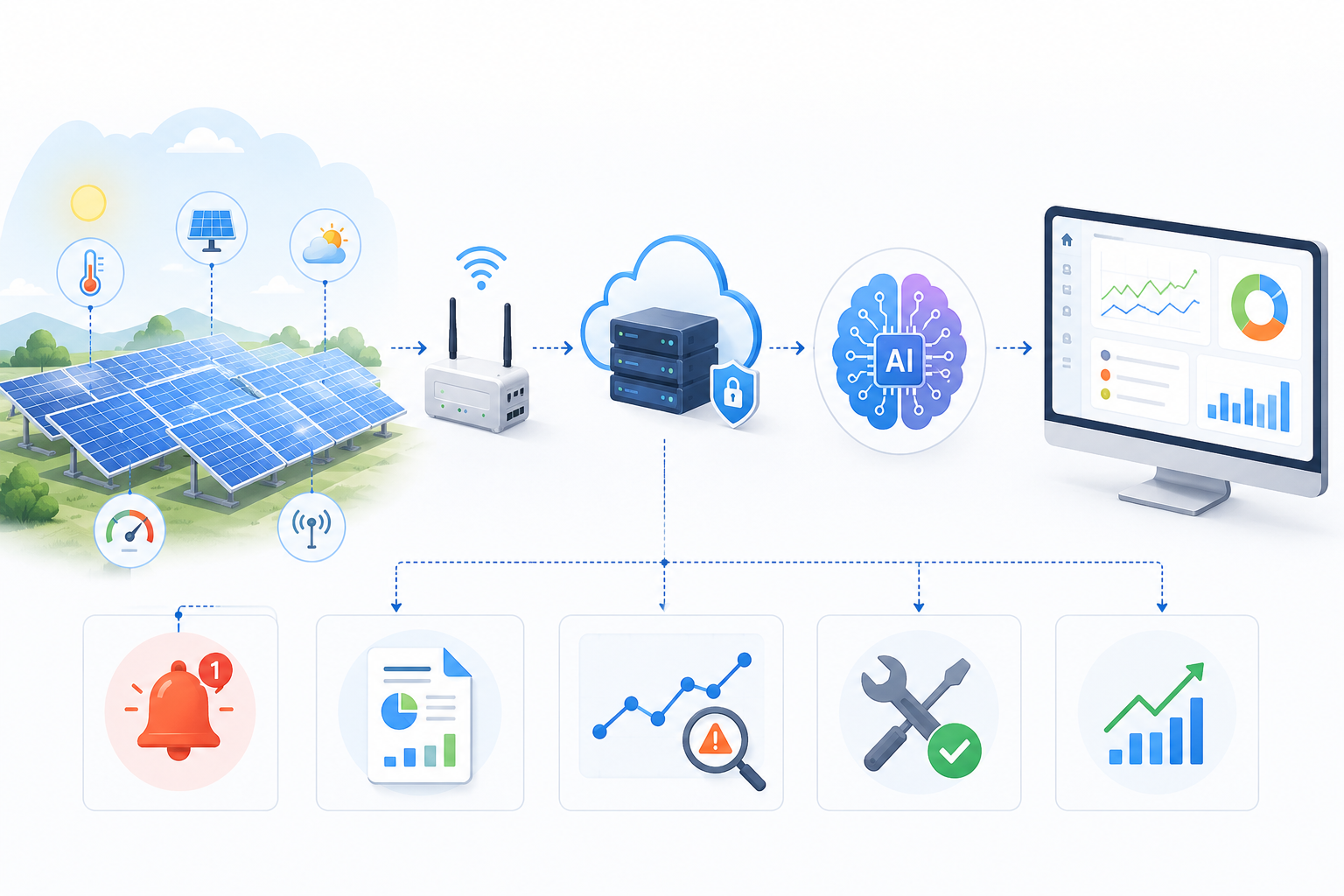
An API layer can provide secure, structured access to selected functions. Instead of allowing every new application to communicate directly with the legacy database, the integration layer controls authentication, data validation, permissions, and monitoring.
This architecture can support a new patient app, clinician dashboard, administrative portal, or reporting system while reducing direct dependency on the legacy application.
Interoperability should remain central to the design. Canada Health Infoway explains that interoperable systems can reduce data silos, duplication, and inefficiency while improving access to health information. Depending on the system, modernization may introduce HL7 or FHIR-based data exchange alongside existing interfaces.
Use RPA When APIs Are Not Available
Some legacy hospital applications cannot support modern APIs without major modifications. In these situations, automation can provide a controlled bridge for stable, rules-based processes.
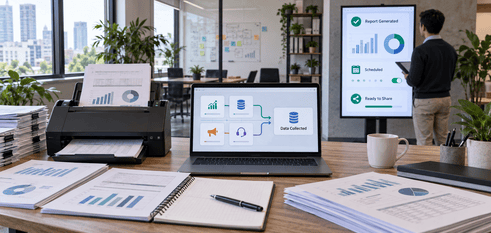
RPA Development services in Canada can support tasks such as transferring approved information between systems, validating administrative fields, generating routine reports, and updating request statuses.
For example, a hospital may launch a new patient-registration app while continuing to use an older administrative platform. RPA can transfer validated registration information into the existing software. Incomplete or inconsistent records can be sent to employees for review rather than processed automatically.
RPA should not make independent clinical decisions or conceal an inefficient process. Every workflow requires defined rules, access restrictions, exception handling, audit records, and human oversight.
Modernize Cloud Infrastructure in Phases
Moving an outdated application to the Cloud does not automatically resolve architectural limitations. However, selected services may benefit from scalable infrastructure, automated backups, centralized monitoring, managed databases, and more dependable deployment processes.
Providers of Software development services in Canada can help determine which components should move to the Cloud, which should remain on-premises, and whether a hybrid architecture is appropriate.
A hospital might retain its core clinical database in its current environment while moving a reporting service or non-clinical dashboard to secure Cloud infrastructure. This creates a manageable pilot without immediately changing sensitive core workflows.
Introduce Mobile and Web Access Where It Adds Value
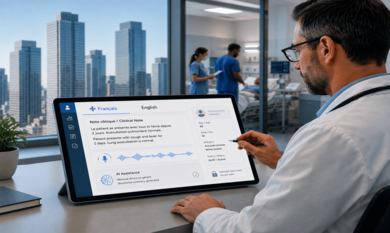
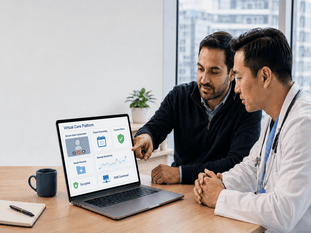
Modernization can extend existing software through a focused mobile app or responsive Web application. Patients may receive appointment information, complete forms, access approved results, or manage administrative requests. Staff may use secure mobile access for task updates, alerts, or operational information.
The new interface should not simply reproduce an outdated desktop system on a smaller screen. It should be designed around the specific actions each user needs to complete.
Organizations considering RPA Development services in Canada may also combine new interfaces with automation when backend systems lack suitable integration capabilities.
Test Without Disrupting Hospital Operations
Healthcare software modernization requires careful testing because an integration failure can affect several workflows. Testing should cover data mapping, authentication, permissions, performance, downstream dependencies, recovery procedures, and unusual user actions.
New and existing components can operate in parallel before complete deployment. A pilot may begin with one department, user group, or administrative workflow. The team can then correct issues before expanding the enhancement across the organization.
Hospitals working with RPA Development services in Canada should test unavailable applications, changed screen layouts, duplicate records, incomplete information, and bot failures. Every failed transaction must be visible to authorized staff.
Measure Whether the Enhancement Delivers Value
Modernization success should be measured against operational outcomes, including:
- Faster dashboard performance
- Shorter processing times
- Fewer manual data entries
- Reduced software maintenance effort
- Faster release cycles
- Lower integration failure rates
- Improved staff satisfaction
- Greater use of patient-facing digital services
These measurements help decision-makers determine which application, dashboard, or workflow should be improved next.
Ready to Enhance Your Existing Hospital Software?
Your hospital may not need an entirely new platform. A targeted assessment can identify how existing dashboards, mobile apps, Web applications, integrations, and administrative workflows can be improved without unnecessarily replacing dependable core systems. Theta Technolabs can help plan and develop phased enhancements based on your current architecture, operational priorities, data requirements, and security needs.
Frequently Asked Questions
1. Can Legacy Hospital Software Be Modernized Without Replacing It?
Yes. Hospitals can retain reliable core components while improving selected areas through APIs, modular services, updated interfaces, Cloud infrastructure, and workflow automation. The appropriate approach depends on the system’s condition, dependencies, and future requirements.
2. Can a New Dashboard Be Connected to Existing Hospital Software?
A modern dashboard can often be connected through APIs, an integration layer, or controlled database services. It can provide clearer reporting, operational visibility, and role-based access while the existing platform remains the primary system of record.
3. How Can a Hospital Add a Mobile or Web App to a Legacy System?
A development team can create a secure integration layer between the existing software and the new application. This layer can manage authentication, permissions, data validation, and communication without exposing the legacy database directly.
4. When Should a Hospital Use RPA Instead of API Integration?
RPA may be useful when the existing application does not provide suitable APIs and the process is repetitive, stable, and rules-based. It should include exception handling, audit logs, restricted access, monitoring, and human review. APIs are generally preferable when reliable integration options are available.
5. How Can Hospitals Reduce Disruption During Software Modernization?
Hospitals can begin with a technical assessment and modernize one workflow, module, or department at a time. Parallel operation, controlled pilots, data validation, user testing, monitoring, and documented rollback procedures can reduce operational risk.
Conclusion
Hospitals do not need to replace every working application to introduce modern capabilities. APIs, modular services, Cloud infrastructure, RPA, mobile apps, Web applications, and improved dashboards can be added progressively around dependable core systems.
As a software development company in Canada, Theta Technolabs helps healthcare organizations assess, enhance, and integrate existing software. The modernization approach can be shaped around the current architecture, user workflows, data requirements, security controls, and long-term technology plans.