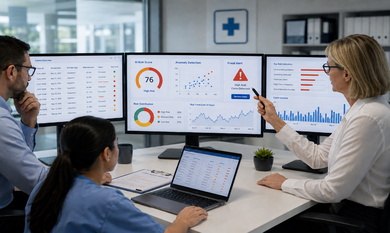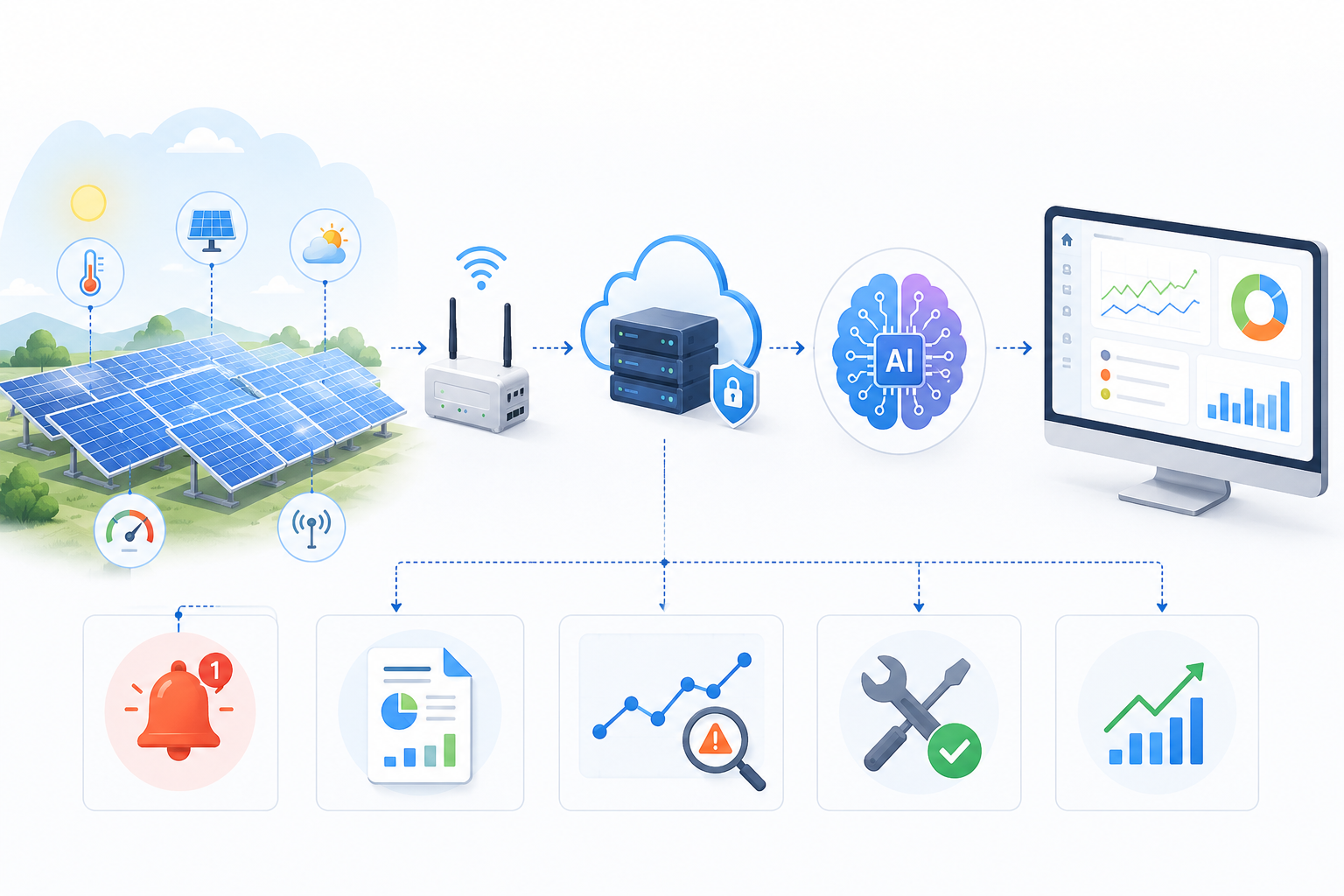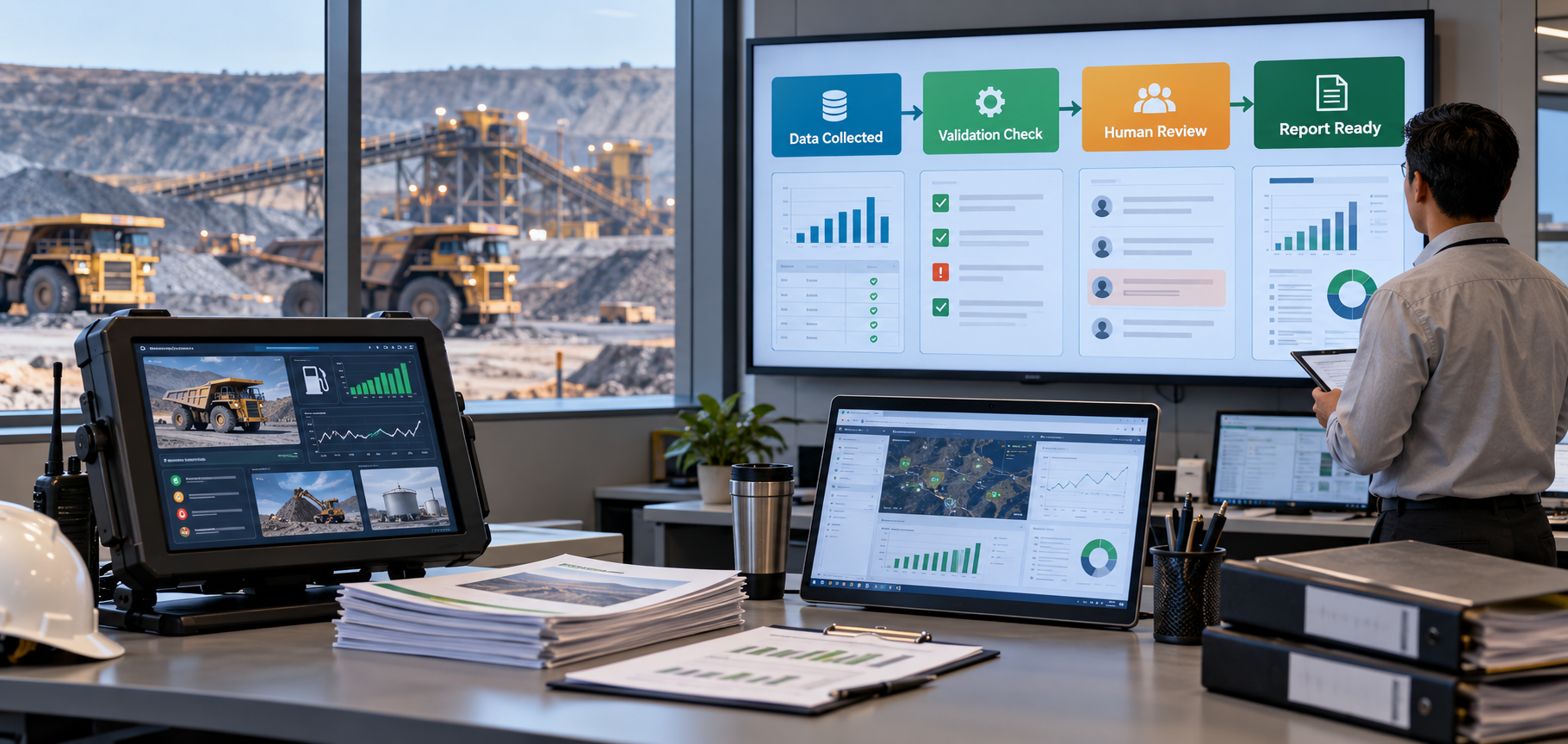


For a mining company, ESG and emissions reporting often depends on information that already exists across the business. Fuel records may sit in an ERP, production figures in operational systems, environmental readings in specialist applications, and site submissions in spreadsheets or controlled files. The work becomes difficult when teams must repeatedly collect, check, reconcile, and prepare that information for corporate or regulatory reporting.
ESG reporting automation for mining can reduce repetitive handling when the process is clearly defined. It can support ESG reporting for mining companies by moving approved data between existing systems, applying configured checks, routing exceptions, and preparing reporting outputs without removing human responsibility. The practical goal is not to automate every ESG decision. It is to automate ESG and emissions reporting steps that are repetitive, rules-based, and suitable for controlled workflows.
Why ESG Reporting Becomes Difficult Across Multiple Mining Systems
A mining business may collect environmental, operational, financial, and sustainability information through several systems. The challenge in mining emissions reporting is often the movement of that information between mine sites, corporate functions, and reporting tools.
A reporting cycle may draw from ERP records, fuel and energy records, production systems, environmental monitoring applications, contractor data, finance systems, and spreadsheets maintained by different teams. Each source can have its own field names, file formats, approval practices, and update schedule.
Teams may need to identify missing fields, reconcile duplicate records, check the reporting period, and send unusual entries back for review. For Canadian mining ESG reporting, the process also needs to reflect the requirements that apply to each facility and organization.
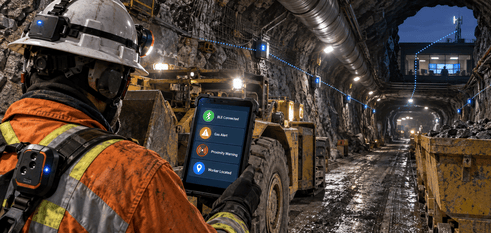
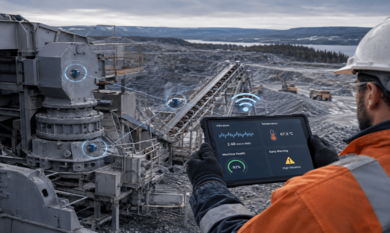
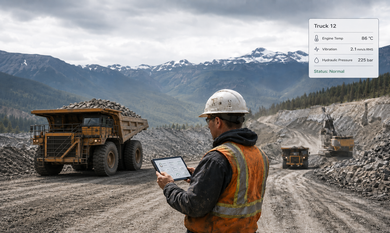
Existing mining technology solutions can include environmental monitoring, enterprise platforms, fleet systems, production tools, and connected data sources.
Map the Reporting Data Before Automating the Process
Automation should start with a clear picture of the reporting workflow. If teams do not know which system owns a record, which checks apply, or who approves an exception, automation can simply move unclear data faster.
A useful starting point for ESG data collection automation is to document each important input: its source, owner, update frequency, format, validation rule, and destination. A fuel record may originate in an ERP, while an environmental measurement may come from a separate monitoring application. The automation needs to know which source is approved for the reporting process.
It is also important to separate routine records from exceptions. Stable, repeatable inputs are generally better candidates for mining compliance reporting automation. An incomplete record, conflicting value, unusual source, or change in methodology should be routed to the responsible person rather than automatically corrected.
In practical terms, ESG reporting automation should begin with a clear map of source systems, data owners, validation rules, and approval points.
How an Automated ESG and Emissions Reporting Workflow Can Work
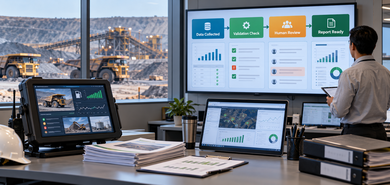
A useful automation design follows the reporting record from its source to final review. RPA for ESG reporting is most effective when each step has clear rules and a known owner.
Retrieve Approved Data From Existing Sources
An RPA workflow can retrieve defined records from ERP systems, databases, controlled spreadsheets, approved exports, or business applications. The bot should work only with the sources and access permissions established by the organization. The reporting team still defines the approved sources and methodology.
Standardize and Consolidate the Inputs
The workflow can map approved fields into a consistent structure, combine data from defined systems, and prepare records for a reporting template, calculation process, or review queue. If an input falls outside documented mapping rules, it should become an exception rather than be silently changed.
Run Rules-Based Validation Checks
Configured checks can identify issues before information reaches the reporting stage. Examples include an empty required field, a duplicate record, an unexpected format, an incorrect reporting period, or a missing source identifier.
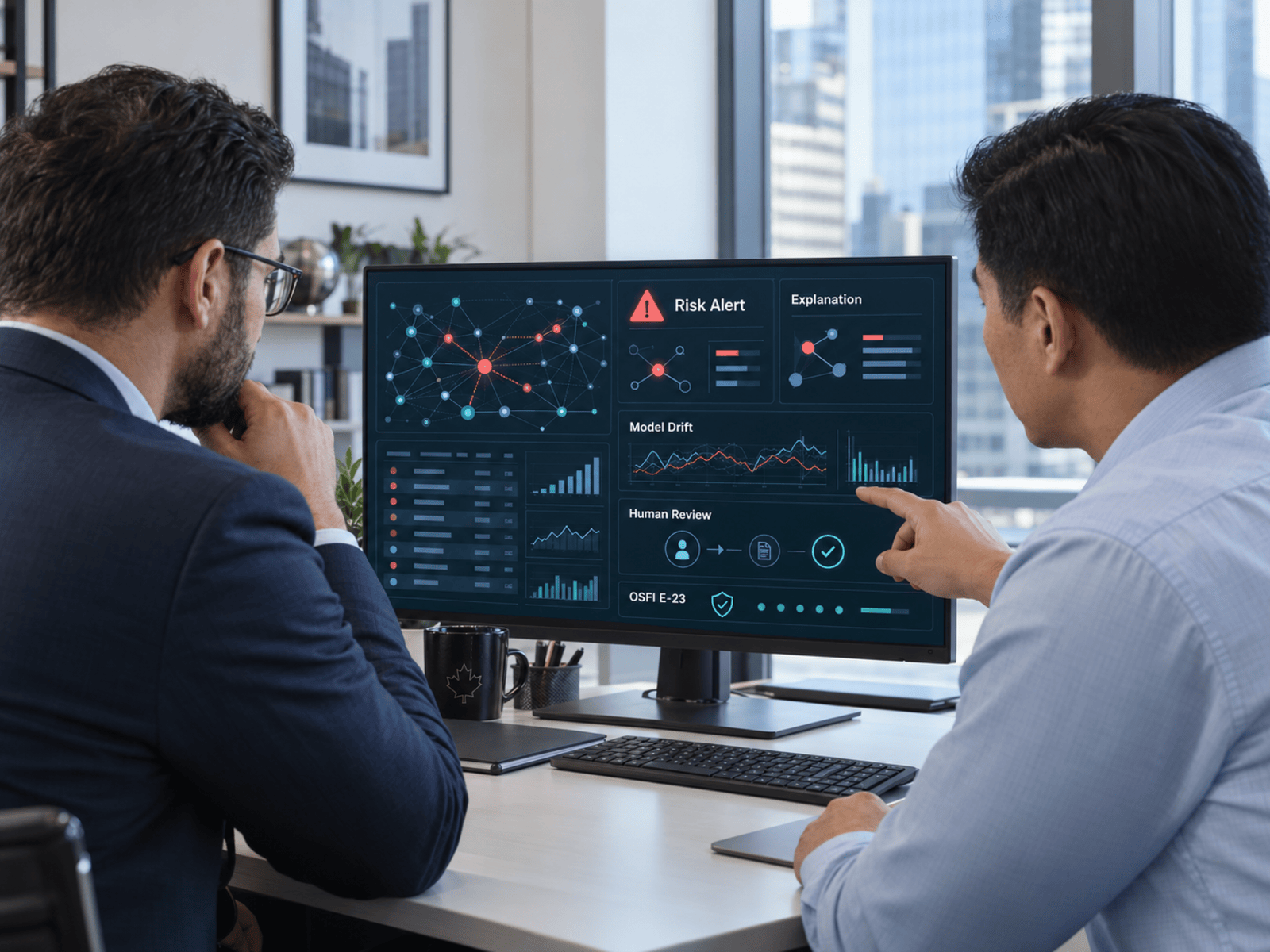
These checks are explicit and repeatable. They do not replace professional judgment about emissions methodology, reporting boundaries, or environmental interpretation.
Route Exceptions for Human Review
When a record cannot be processed safely under existing rules, the workflow can flag the issue, record why it stopped, and send the item to the appropriate environmental, sustainability, finance, or reporting team. This prevents automation from making assumptions where context is required.
Prepare Reporting Outputs and Workflow Evidence
After required checks and reviews, RPA can help populate approved templates, update reporting systems, and record workflow status. It can preserve details such as the source used, validation outcome, exception status, reviewer action, and preparation status.
For organizations connecting several enterprise applications, RPA implementation and integration services in Canada can support workflows across ERP platforms, databases, APIs, cloud applications, and existing business systems.
What RPA Should Automate and What People Should Still Control
RPA is most useful for repetitive, rules-based reporting work. Human teams should retain responsibility for interpretation, methodology, unusual exceptions, and final approval.
This separation matters because an automated log does not, by itself, make a report compliant or assurance-ready. The organization still needs to determine what evidence must be retained, who can approve changes, and how reported values are supported.
The same principle applies to Scope-related emissions work. Automation may collect approved activity data and move it through configured checks. The calculation method and reporting treatment should still follow the organization's approved methodology and applicable requirements.
Keep Canadian GHG Reporting Requirements Inside the Workflow Design
A reporting workflow should be built around the requirements that actually apply to the facility, not around a generic automation template. For teams researching GHG emissions reporting Canada, the federal Greenhouse Gas Reporting Program, or GHGRP, is an important reference point.
Environment and Climate Change Canada states that facilities subject to the GHGRP use its Single Window system for reporting. The current federal reporting notice has been extended to cover 2026 data, and Ontario is listed among the provincial partners using the Single Window system for GHG reporting.
For the current requirements and reporting guidance, refer to Environment and Climate Change Canada, Greenhouse Gas Reporting Program.
Facilities still need to determine which federal, provincial, corporate, and other requirements apply to them. Automation should reflect those definitions, approved calculation methods, required fields, review controls, and submission processes.
This is why the reporting team should own regulatory interpretation. RPA can support data movement, checking, preparation, and workflow evidence. It should not independently decide whether a facility meets a reporting requirement or which methodology applies.
Automation can help prepare and validate information before submission, but regulatory submission should remain subject to the access, authorization, and certification requirements of the applicable reporting system. RPA should support the preparation and review process without bypassing these required controls.
A Practical Way to Introduce RPA Into a Mining Reporting Process
The better starting point is a stable reporting process with known data sources and clear ownership. A high-effort process is not automatically a good automation candidate if its rules change frequently or depend heavily on judgment.
Start With a Defined Reporting Workflow
Choose a process where the organization already knows the source systems, required fields, validation rules, review points, and expected output. That gives the automation team a controlled baseline for testing.
Connect Existing Systems Where Practical
A mining company may not need to replace its ERP, environmental system, reporting application, or approved spreadsheets simply to introduce RPA. Depending on the architecture, integration may use APIs, database connections, approved file exchanges, or application-level automation.
For mining corporate teams evaluating RPA solutions in Toronto, this approach is relevant when corporate reporting depends on information received from several sites or business systems. The Toronto page includes RPA for repetitive enterprise processes as part of its service offering.
Test Normal Cases and Exceptions Before Expanding
Testing should cover routine processing and the situations that cause the workflow to stop. Missing data, duplicate records, incorrect formats, unavailable systems, and items requiring professional judgment should have defined outcomes.
A pilot can show whether the process is stable enough to automate. Expand only when controls, ownership, exception handling, and monitoring are understood.
Questions Canadian Mining Teams Ask About ESG Reporting Automation
Can RPA calculate Scope 1 emissions for a mining company?
RPA can support the process, but it should not choose the emissions methodology on its own. It can collect approved activity data, apply configured workflow rules, and move information through established calculation and review steps. The organization remains responsible for using the appropriate methodology and validating the result.
Can ESG reporting automation work with an existing ERP?
Yes, when the ERP and surrounding systems provide suitable access and the workflow is properly designed. Integration may use APIs, database connections, approved exports, or application-level automation, depending on the architecture and security requirements.
How does automation help with an ESG reporting audit trail?
Automation can record where data came from, which checks were applied, what exceptions occurred, and who reviewed a record. These logs can support traceability, but the organization must still define the evidence required for internal assurance, external assurance, or regulatory purposes.
Should every ESG reporting task be automated?
No. Repetitive and rules-based tasks are usually stronger candidates. Methodology decisions, unusual exceptions, regulatory interpretation, and final approval should remain with responsible professionals.
Building a Controlled Reporting Process
Canadian miners do not need to automate every ESG activity to improve reporting workflows. A practical approach is to connect approved data sources, automate repetitive collection and validation steps, route exceptions to the right people, and keep final interpretation and approval under human control.
Theta Technolabs can design these workflows around existing enterprise systems using technologies such as UiPath, Automation Anywhere, and REST APIs, which are listed in its RPA implementation technology stack. The objective is to make reporting processes easier to operate and review without replacing the systems and professional controls the organization already relies on.
For support with ESG and emissions reporting automation, contact Theta Technolabs at sales@thetatechnolabs.com