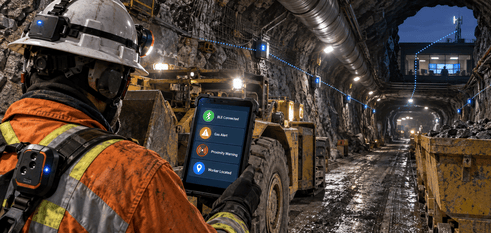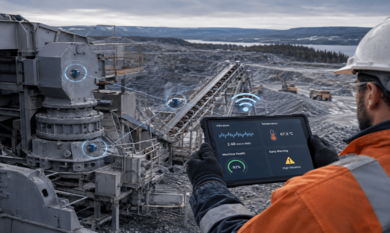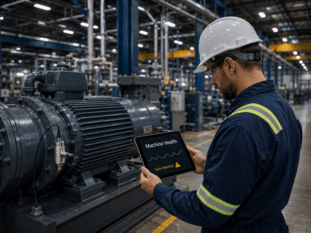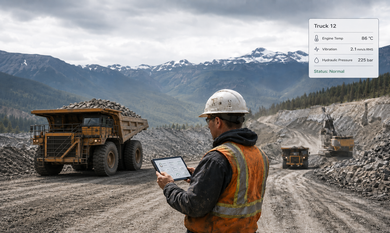


Underground mining safety technology has become a genuine priority for Canadian mining operations, and for good reason. Toxic gas exposure, roof falls, equipment collisions, and the risk of a worker going missing or unresponsive in a remote section of a mine are not rare edge cases. They are the everyday operational reality that safety teams plan around. The problem is that most of the tools built to manage these risks were designed for conditions where GPS and cellular signal actually work. Underground, they don't. That gap is exactly why mining companies are shifting toward wearable technology for miners, BLE-based tracking, and purpose-built mobile apps designed for underground conditions from the start, not adapted from consumer fitness trackers.
Why Traditional Safety Systems Fall Short Underground
GPS relies on a clear line of sight to satellites, which is precisely what hundreds of metres of rock eliminates. Cellular networks face the same problem. There's no infrastructure to carry a signal through solid rock, and running cable to every drift and stope isn't practical at the scale most mines operate. That's why many sites still rely on hard-wired radios or static pagers, which tell a control room that something happened somewhere on the network, but not where a specific worker is or what condition they're in.
Static gas monitors have a similar limitation. They tell you the air quality at a fixed point, not what an individual miner is breathing as they move through the mine. None of these systems were built to answer the two questions that matter most during an incident: where is this person right now, and are they okay.
Mapping Hazards to Technology: What Wearables and IoT Actually Detect
The reason connected wearables and IoT for mining safety have gained ground isn't because they're new. It's because they map directly onto specific, recurring hazards rather than offering a general safety upgrade.
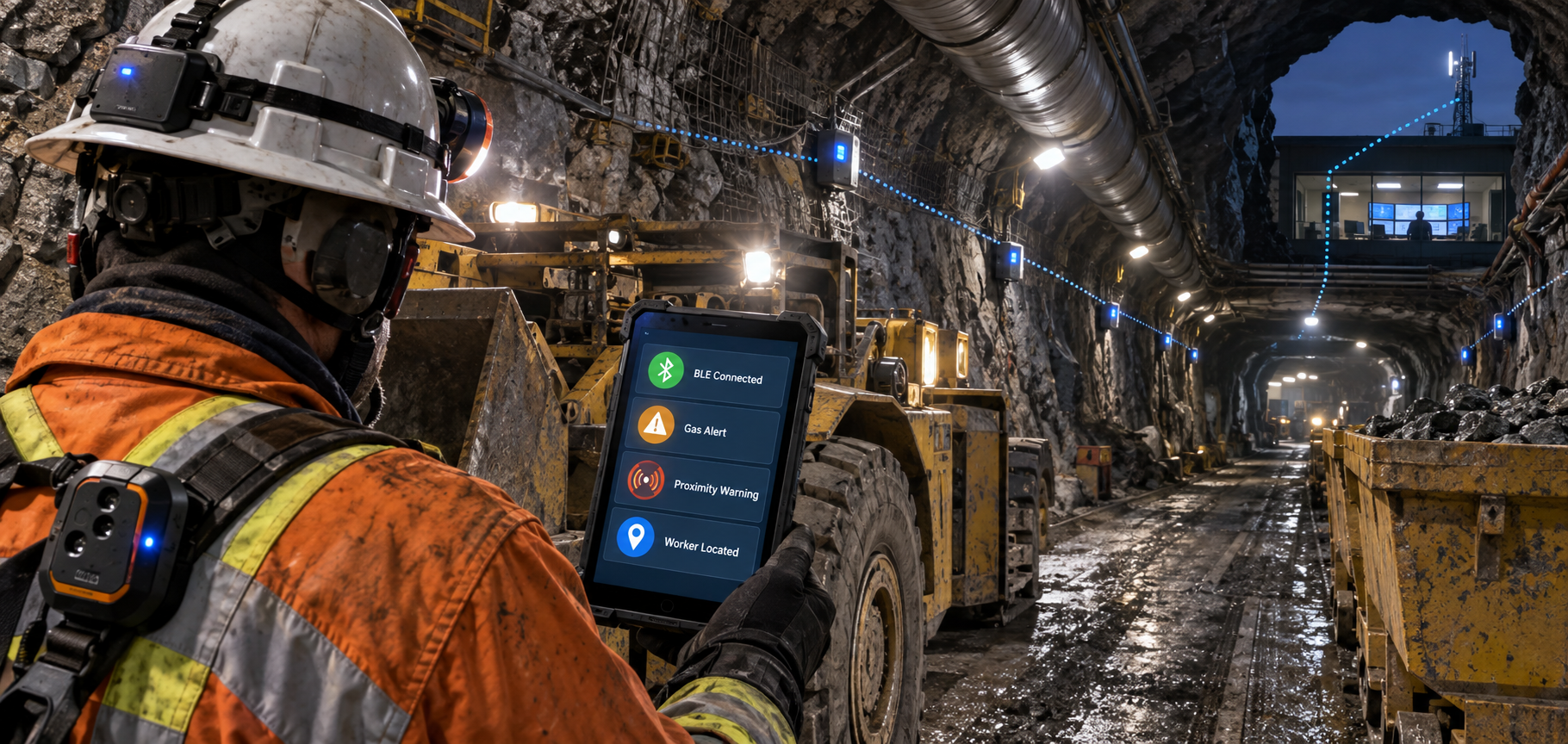
Toxic gas exposure. Embedded gas sensors on a wearable device monitor conditions at the point of exposure, meaning the worker's own breathing zone, rather than a fixed station metres away. When gas concentrations cross a threshold, the alert goes to the worker and the control room at the same time.
Roof falls and structural risk. Impact and vibration sensors built into helmets or vests can detect a sudden fall or blunt impact and trigger a vitals check and alert automatically, even if the worker is unconscious and can't press a button themselves.
Equipment collision and proximity risk. This is where BLE proximity detection mining technology earns its place. BLE beacons on heavy equipment paired with BLE-enabled wearables on personnel can detect when a worker is getting too close to moving machinery and trigger a warning before a collision happens, not after.
Lost or unresponsive workers. A real-time miner tracking system built on a BLE mesh network, combined with a manual panic button, gives a control room an actual last-known position rather than a general zone, which matters when minutes count.
Building this kind of system well requires genuine iot development services canada capability. Sensor selection, firmware, and data pipelines that hold up in dusty, high-vibration, low-connectivity environments are a different engineering problem than a typical consumer IoT product, and treating them the same way tends to produce systems that look good in a demo and struggle on-site.
Why BLE Mesh Networks Are the Backbone, Not GPS or Cellular
Since GPS and cellular are ruled out underground, BLE mesh networking has become the practical backbone for these systems. Instead of relying on a single tower or satellite signal, a BLE mesh network uses a series of fixed nodes placed throughout the mine that relay data from worker to worker and node to node until it reaches a gateway with a connection back to the surface. Each node acts as a relay point, which means the network doesn't depend on any single link staying alive. If one node goes down, data can often still find another path through the mesh.
This also solves the location problem. By measuring signal strength between a worker's wearable and the nearest fixed nodes, the system can estimate position with reasonable accuracy underground without needing GPS at all. The honest trade-off is range. BLE has a shorter reach than cellular, so mesh density matters, and a poorly planned node layout leaves dead zones. That's why node placement is a deliberate engineering exercise, not an afterthought.
For connected worker solutions mining operations across British Columbia rely on, site-specific iot app development services canada providers offer becomes especially relevant here. Node density has to match the physical layout of the mine rather than a generic template, and getting that wrong is usually where these systems underperform.
The Mobile App Layer: Where Real-Time Response Actually Happens
Wearables and sensors generate data, but the mobile app is where that data becomes an actual decision or action. It's often the part that gets the least attention when people talk about mining safety technology. A few things matter here.
First, offline-first architecture. Given the mesh range limitations already discussed, the app needs to keep functioning and logging events even when a worker briefly moves out of range, then sync automatically once connectivity is restored, rather than losing that data.
Second, alert prioritization. Not every sensor reading needs to interrupt a control room operator immediately. A well-designed mining safety mobile app distinguishes between a minor gas fluctuation worth logging and a critical threshold breach that needs an immediate response, and escalates accordingly.
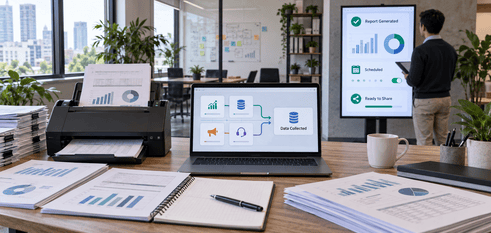
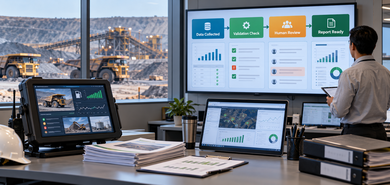
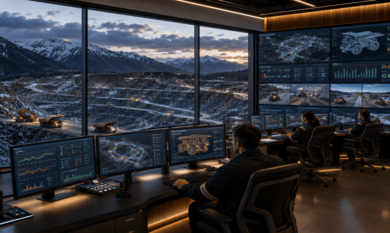
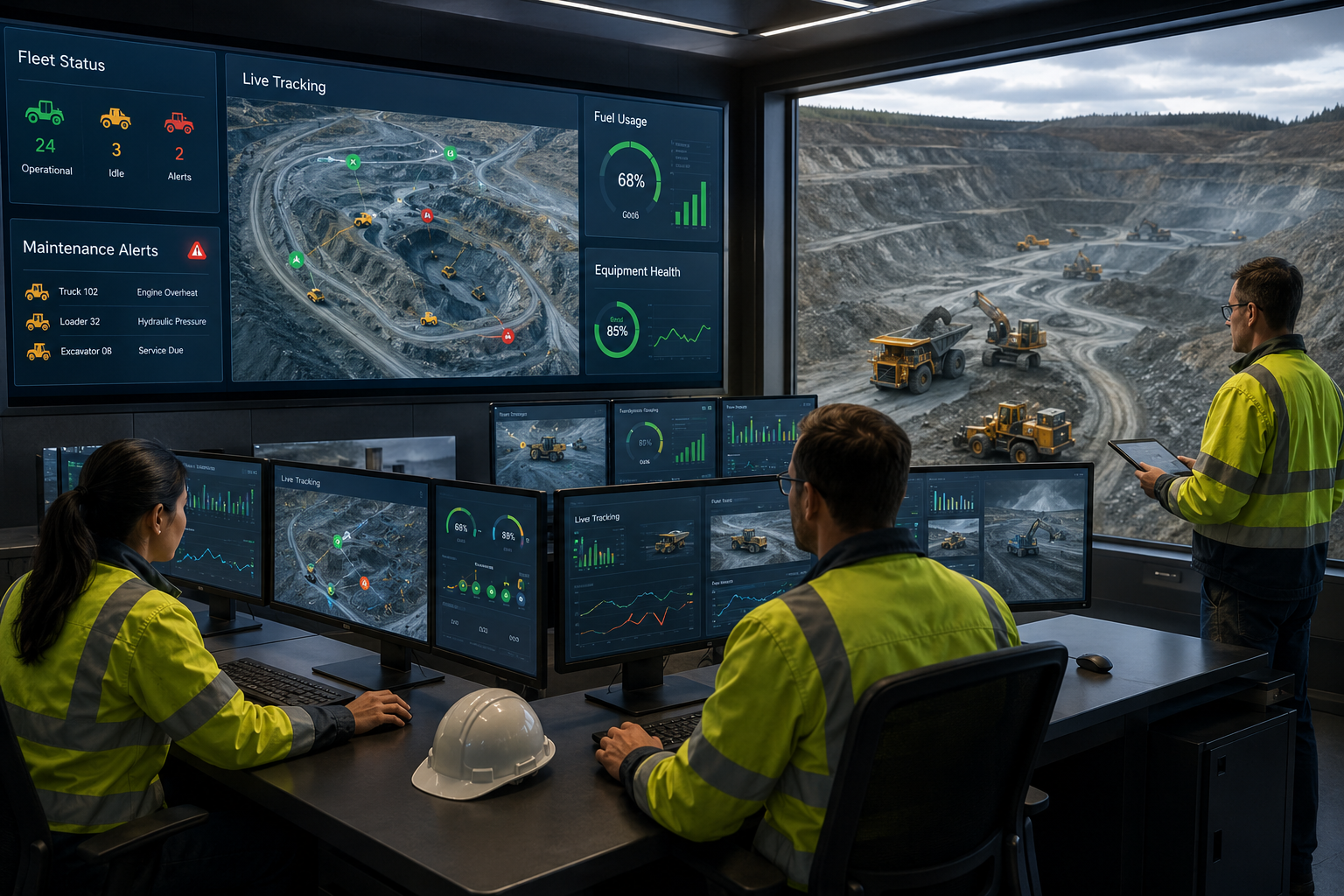
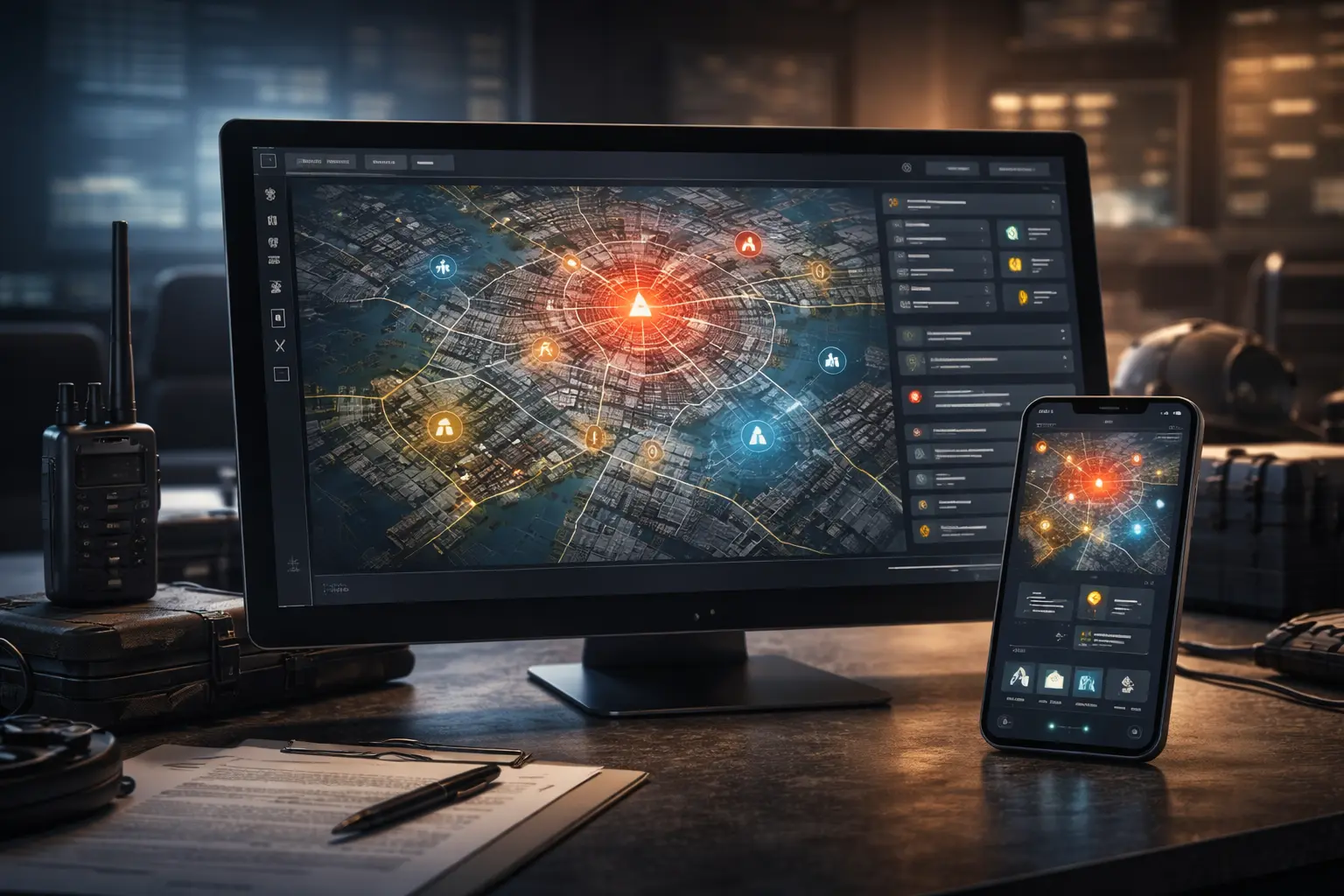
Third, integration with above-ground dashboards, so control room staff see live worker positions, sensor readings, and alert history in one place rather than piecing information together from separate systems.
Most mine sites also run a mix of ruggedized Android and iOS devices, which makes the kind of cross platform mobile app development services canada teams specialize in a practical necessity rather than a nice-to-have. The safety system needs to work consistently regardless of which hardware a given site has already standardized on.
What Implementation Looks Like for a Mining Site
Rolling out a connected worker safety system isn't a single install. It's typically a phased process. It usually starts with a site assessment to map the physical layout and identify where mesh nodes and sensors need to go. From there, many operations run a pilot in one section of the mine, working out node placement and alert thresholds before expanding further. Integration with existing control room infrastructure and worker training on the wearables and app usually happens alongside the pilot, so that by the time the system scales, both the technology and the team are ready for it. Timelines vary by site size and existing infrastructure, so a one-size-fits-all rollout plan tends to create more problems than it solves.
The NIOSH Mining Program has long focused its research on preventing injuries and fatalities from mining hazards and improving the odds of rescue and survival when incidents do occur, which lines up with why the industry has moved toward real-time detection and location awareness rather than continuing to rely on static, fixed-point monitoring alone.
Frequently Asked Questions
Does wearable mining safety technology work without cell signal?
Yes. These systems are specifically designed around this limitation. They use BLE mesh networks rather than cellular or GPS, so they function in the same underground conditions where phone signal typically fails.
How is BLE different from GPS for underground tracking?
GPS requires a clear line of sight to satellites, which underground rock blocks entirely. BLE mesh networks instead use fixed nodes placed throughout the mine to relay data and estimate worker position based on signal strength, which works in enclosed, underground environments.
What happens if a miner goes outside mesh network range?
A well-designed system uses offline-first mobile app architecture, meaning the wearable and app keep logging critical events locally and sync that data automatically once the worker moves back within range of the mesh network.
How long does it take to implement a connected worker safety system on a mine site?
It varies by site size and existing infrastructure, but most implementations follow a phased approach: site assessment, a pilot in one section of the mine, then a wider rollout once node placement and alert thresholds are validated.
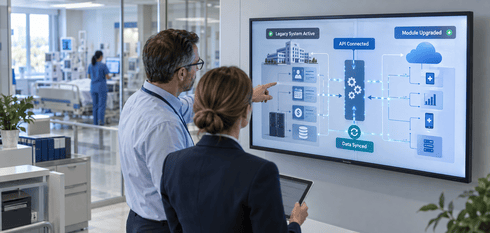
Can these systems integrate with existing mine safety infrastructure?
Generally, yes. Mobile app dashboards can be built to pull in data from existing control room systems, though the level of integration depends on what infrastructure a given site already has in place.
Building a Connected Worker Safety System That Fits Your Site
Underground mining safety isn't solved by adopting technology for its own sake. It comes down to matching the right sensors, network architecture, and mobile app design to the specific hazards and physical layout of a given site. If your operation is exploring wearable, BLE, or mobile app solutions for worker safety, our team at Theta Technolabs works on exactly this kind of mobile app and IoT engineering. Reach out at sales@thetatechnolabs.com to talk through what a system built for your site would actually look like.